CA GROWN Blog
Discover. Learn. Connect.
Our Best Chicken Recipe with Wine, Grapes, and Raisins
Meet Them Here
Read Bios »Our Best Chicken Recipe with Wine, Grapes, and Raisins
This chicken recipe feels like it came straight out of a cozy, candlelit kitchen in California wine country. It’s rich without being heavy, elegant without trying too hard, and layered with flavor thanks to a trio of CA GROWN power players: Sauvignon Blanc, table grapes, and raisins.

If you’re ready for a dinner that tastes like you know your way around a vineyard kitchen—pull up a chair. Let’s talk about why this chicken recipe is about to become your go-to for any night that deserves something a little special.
🍷 A Recipe with California in Every Bite
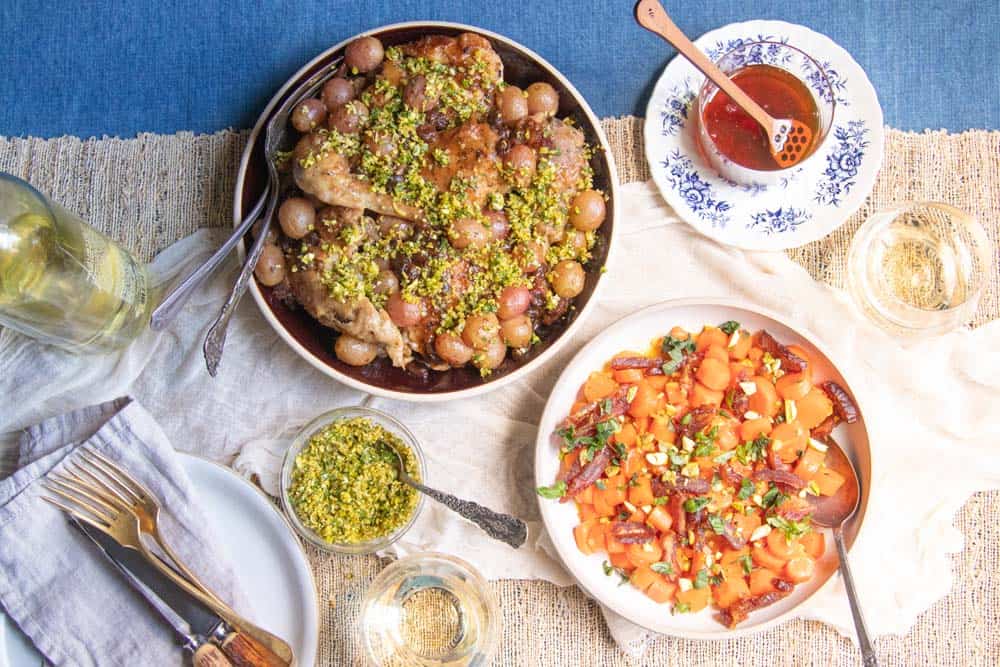
This dish builds flavor from the ground up. Pan-seared chicken pieces simmer gently in white wine, California raisins soak up all the goodness an overnight soak in Sauvignon Blanc can lend, and red table grapes absorb the sauce as it thickens. It’s the kind of chicken recipe that’s simple enough for a Tuesday night. It’s also elegant enough for date night—or heck, even the holidays.

⭐ California Sauvignon Blanc: Bright, Crisp, and Born to Shine
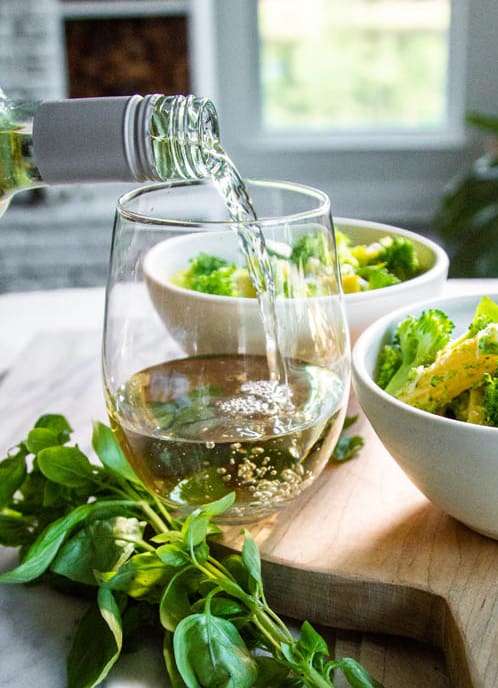
The secret behind the incredibly flavored sauce in this chicken recipe? Sauvignon Blanc.
This bright, zesty white wine cuts through the richness of the cream and olive oil while complementing the natural sweetness of the table grapes and raisins. It’s the kind of pairing that takes your taste buds on a wild adventure.
If you’re curious why Sauvignon Blanc works so well, it’s because of its balanced acidity and herbaceous notes. Those citrusy, grassy undertones bring out the best in poultry and fruit-forward dishes like this one.
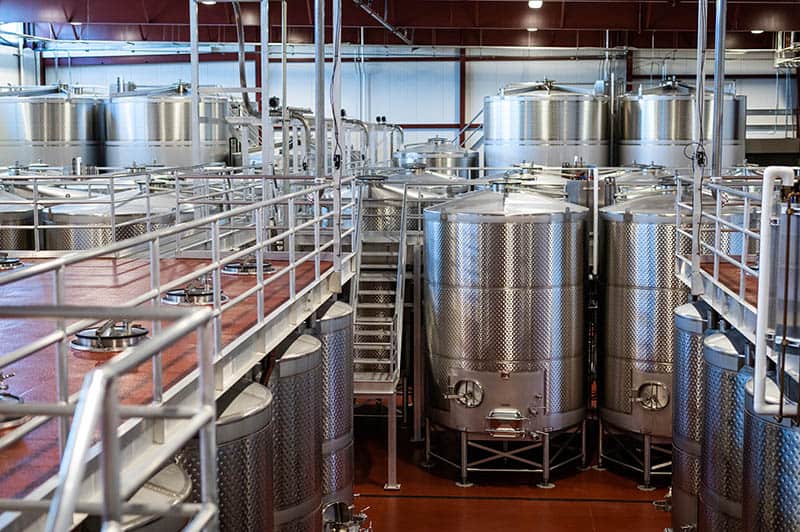
👉 Learn more about this California favorite in this post all about Sauvignon Blanc, or take a peek behind the scenes to discover how wine is made in the Golden State.
🍇 The Super Star Supporting Cast: California Table Grapes
If the wine sets the tone, the grapes bring the texture—and they steal the show in this chicken recipe.
Here’s a fun fact: California grows over 99% of all the fresh grapes in the U.S. That means nearly every time you pop a grape into your mouth, you’re likely tasting something grown in the Golden State.
California’s table grapes come from two distinct regions—the Coachella Valley in Southern California and the San Joaquin Valley in the Central Valley. Between them, they produce over 80 different varieties. Most people just call them by color —green, red, or black—but behind those shades are names like Thompson Seedless, Crimson, and Autumn Royal.
🍇 From Vineyard to Skillet: Grapes Meet Raisins
The combination of California table grapes, wine, and raisins in this recipe creates a balance of flavor that’s next-level delicious, as well as completely unexpected.
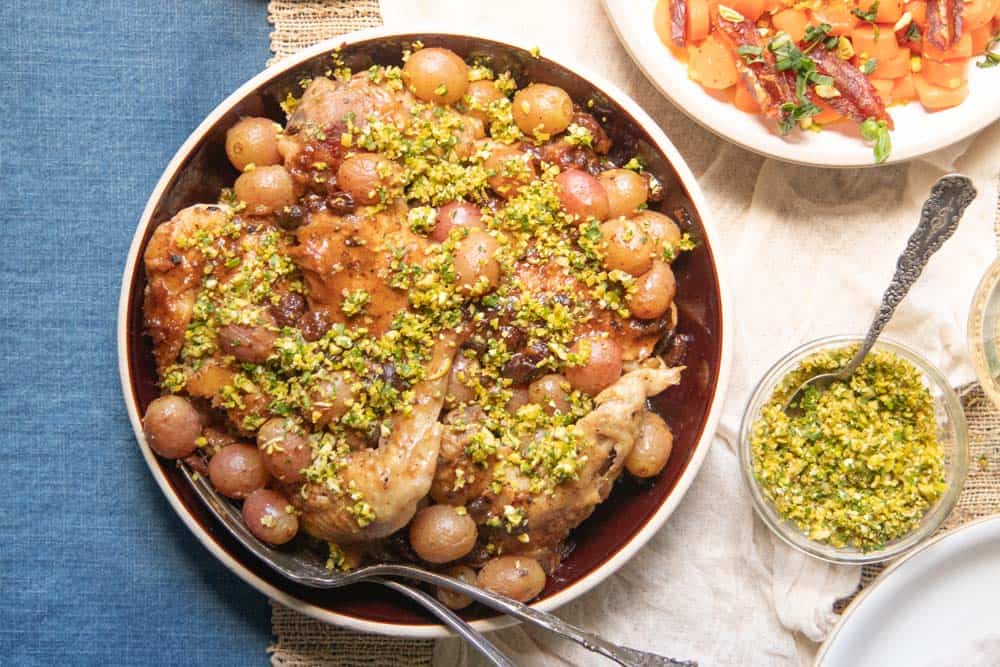
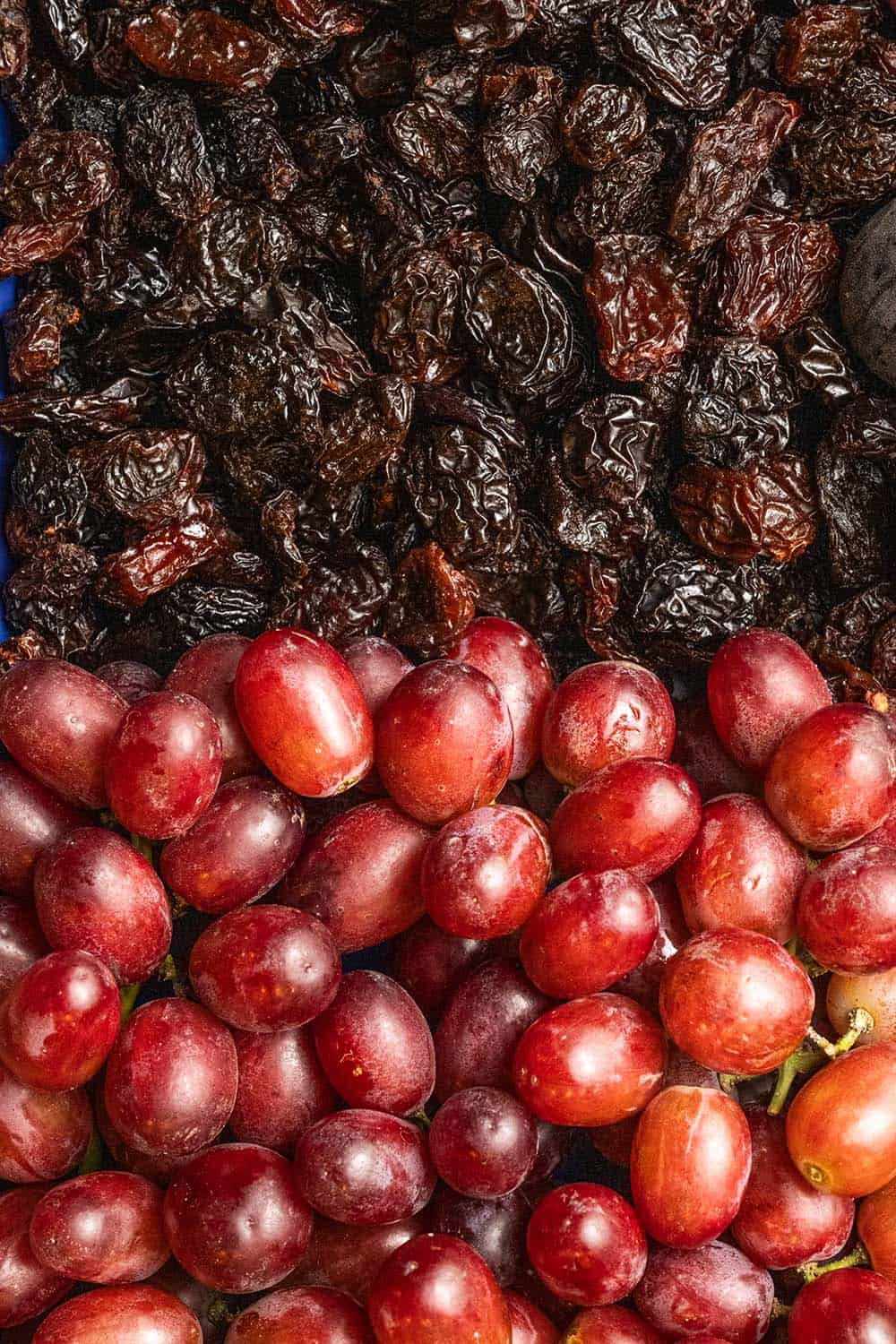
The grapes soften as they simmer in the wine and broth, releasing juices into the sauce while also soaking up the flavor of the chicken. Meanwhile, the raisins—after soaking overnight in that same Sauvignon Blanc—plump up, absorbing the wine’s complexity and sweetness. Together, they add layers of flavor that elevate a simple chicken dish into something remarkable.
California raisins deserve their own moment in the spotlight. Grown mostly in the San Joaquin Valley, they start as sun-ripened grapes that dry naturally under that famous California sunshine. The process concentrates their sweetness and nutrients. This gives them that signature caramel-like flavor that adds richness to both savory and sweet dishes.
So, when you toss wine, fresh grapes, and raisins into this chicken recipe, you’re literally blending the best of California’s vineyards into one perfect pan.
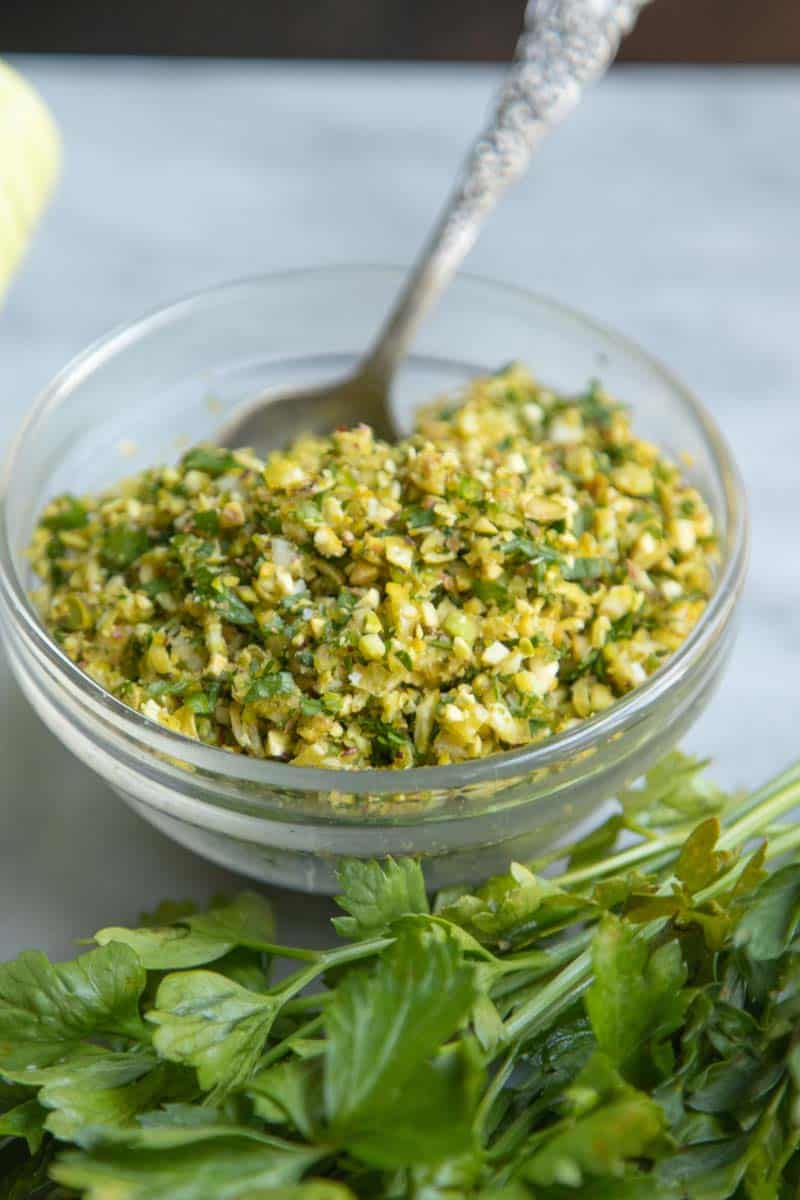
🌿 The Finishing Touch: Pistachio Gremolata
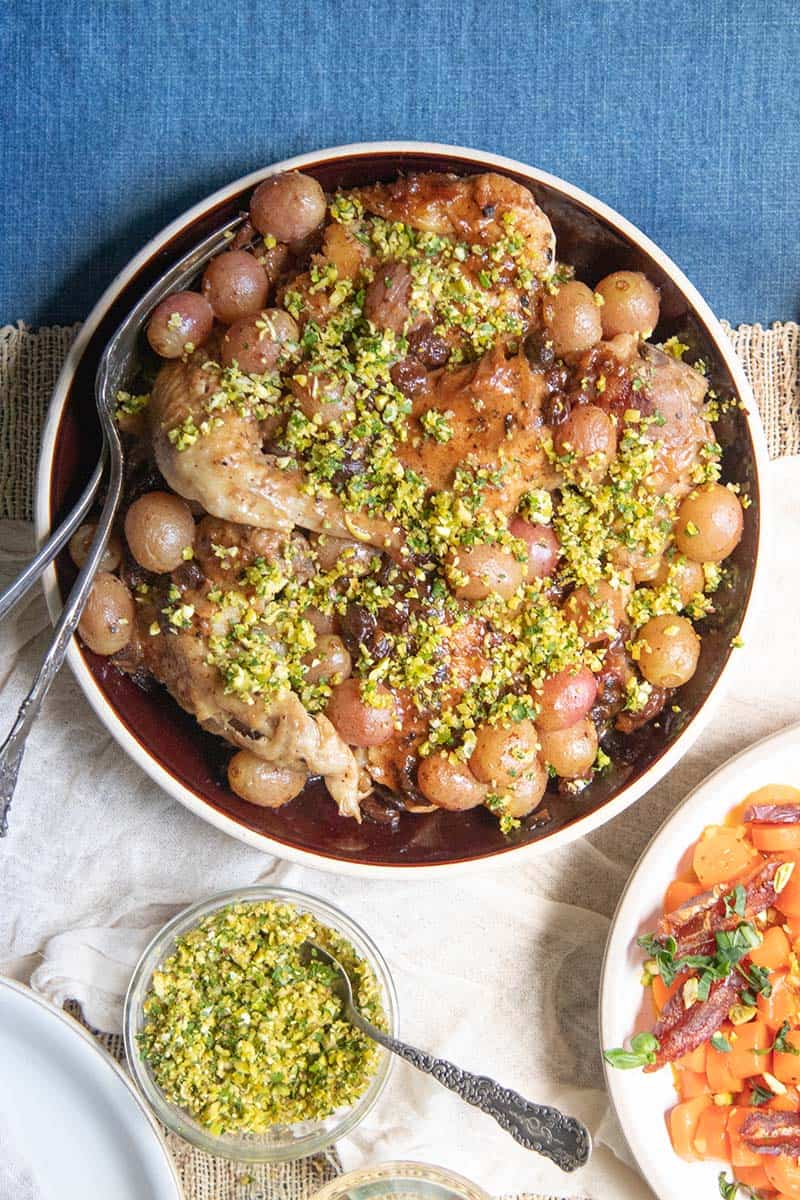
No great chicken recipe is complete without a little flair. And in this one, that comes in the form of a lemony, garlicky gremolata with finely chopped California pistachios. It’s bright, fresh, and adds just enough crunch to contrast the creamy sauce and tender chicken.
Pro tip: Make the gremolata a day ahead. It keeps beautifully in the fridge, allowing the flavors to mingle.
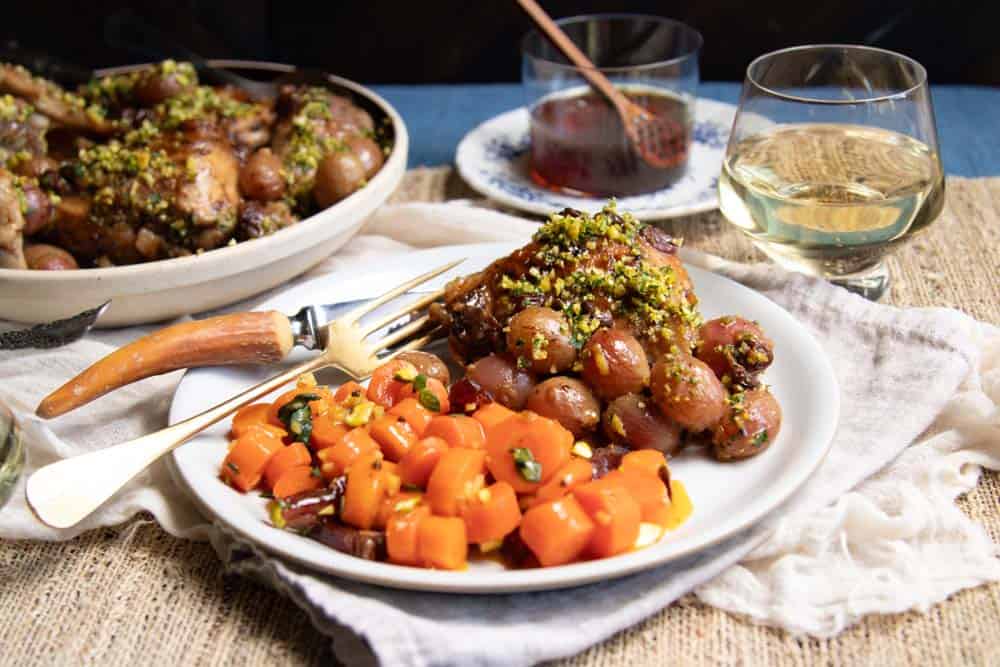
💡 Why This Chicken Recipe Works Every Single Time
Here’s why you’ll want to make this again and again:
- It uses real, simple ingredients—no fuss, no fillers.
- The combination of CA GROWN wine, grapes, and raisins makes the sauce naturally sweet and complex.
- Sauvignon Blanc maintains a light and balanced flavor profile.
- It feels gourmet but doesn’t require hours of hands-on time in the kitchen.
It’s proof that California’s agricultural abundance isn’t just about the produce—it’s about what happens when you put it all together on your plate.
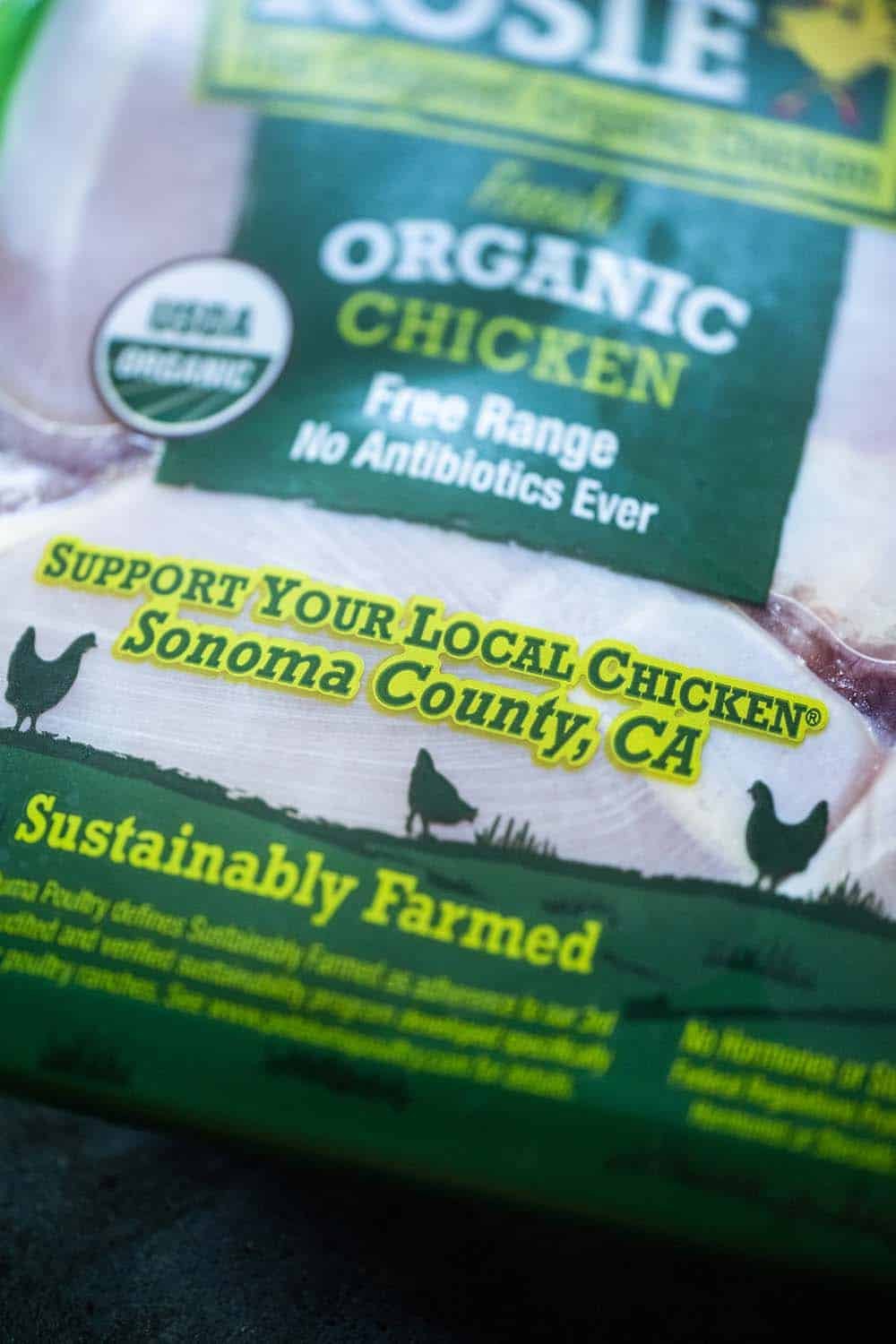
Look for CA GROWN: Why It Matters When You Buy Chicken
When you’re shopping for chicken, where it’s raised matters—and California sets the bar. The California Poultry Federation represents an industry built on some of the highest animal welfare, food safety, and environmental standards in the nation. In fact, California was home to the first certified organic poultry operation ever, a milestone that still shapes how poultry is raised here today.
One easy way to shop with confidence? Look for “California” on the package. That label signals strict state regulations, transparent practices, and a commitment to responsible farming that goes above and beyond national requirements. From organic operations to family-run farms, California poultry producers continue to lead with integrity and innovation.
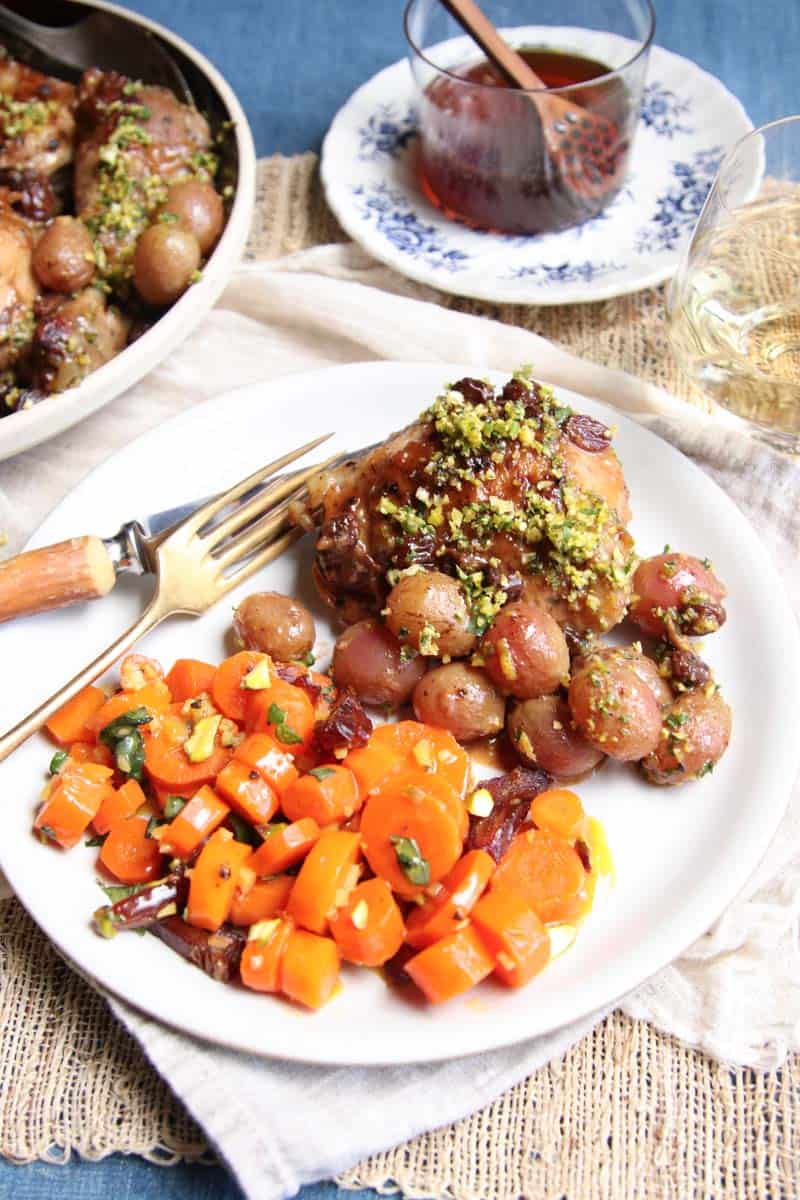
🍽️ Bring California Wine Country Home
You don’t need a vineyard view to enjoy this dish (though we wouldn’t say no to one). With one skillet, a bottle of California Sauvignon Blanc, and a handful of CA GROWN ingredients, you can turn your kitchen into a scene straight out of Napa or Paso Robles.
So, pour a glass of wine, pass the grapes, and toast to the Golden State. Because when your dinner features ingredients this fresh, this local, and this flavorful, you’re not just cooking—you’re celebrating California.
🍷 Quick Links for Grape-Loving Cooks
🍇Learn more about California Sauvignon Blanc.
🍇Discover how California wine is made.
🍇Explore more recipes that feature California table grapes.
Ready To Get Your Groove On In The Kitchen? Check Out This Spotify Playlist From CA GROWN!
Craving more delicious holiday dishes for the celebratory season? Check out our Pinterest for more CA GROWN recipes.
Do you have a CA GROWN-inspired recipe we should try? Snap a pic and tag us with #CAGROWN—we’d love to see what you’re mixing up.
Chicken with Wine, Grapes, and Raisins
Ingredients
For the chicken:
- ½ cup raisins
- 1½ cups white wine like Sauvignon Blanc, divided
- 1 small whole chicken, cut into 8 pieces, 2.5-3 pounds
- 4 TBSP olive oil
- salt and freshly ground black pepper
- 2 large shallots sliced thin
- 3 cloves garlic sliced thin
- 2 TBSP vegetable stock or chicken stock if preferred
- 2 ½ cups red grapes about 1 large bunch, destemmed
- 1½ TBSP heavy cream
- 1½ TBSP sour cream
For the Gremolata:
- 2 TBSP finely minced parsley,
- 2 TBSP finely minced garlic
- zest of 1 lemon peeled, pith removed, and finely minced
- 4 TBSP finely minced toasted pistachios
- 1 tsp olive oil
Instructions
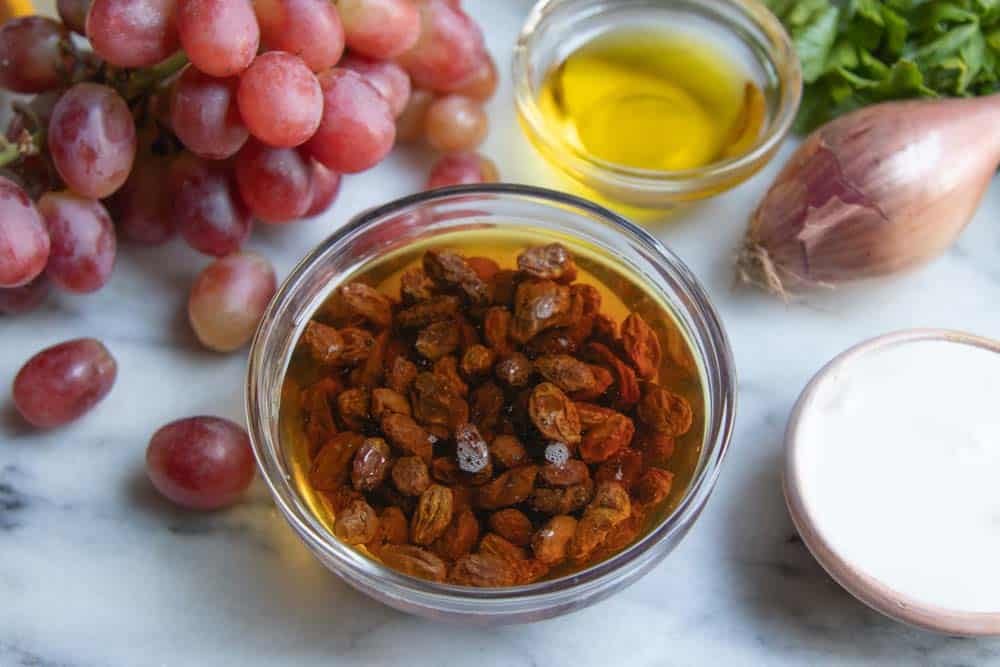
- Place raisins in a bowl and cover with ¾ cup of the white wine. Cover with plastic wrap and allow to soak for 8 hours or up to overnight.
To make the gremolata:
- Finely mince the parsley, then wrap it in a clean kitchen cloth and gently wring it out to remove any excess moisture. This step helps prevent sogginess and enhances the gremolata’s texture.
- Peel the lemon with a vegetable peeler, ensuring you avoid the bitter white pith, then finely dice the zest. Alternatively, use a microplane to finely grate the zest for a more delicate texture.
- Finely mince the garlic to ensure even distribution of flavor throughout the gremolata.
- Finely minced the toasted pistachios. The pistachios should be minced as finely as the parsley, garlic, and lemon zest to maintain the gremolata’s signature texture.
- In a small bowl, mix the prepared parsley, lemon zest, garlic, pistachio, and olive oil until well combined.
To make the chicken:
- Dry chicken pieces with a paper towel and season liberally with salt and pepper on both sides.
- Heat the olive oil in a sauté pan on medium-high, add chicken, skin side down and sear until golden brown, 6 to 8 minutes. Turn pieces and brown on the second side. Scatter the shallot and garlic slices over the chicken.
- Add the remaining ¾ cup wine to the pan, cover, reduce heat to low and cook 15 to 20 minutes, basting the chicken once, until it is cooked through.
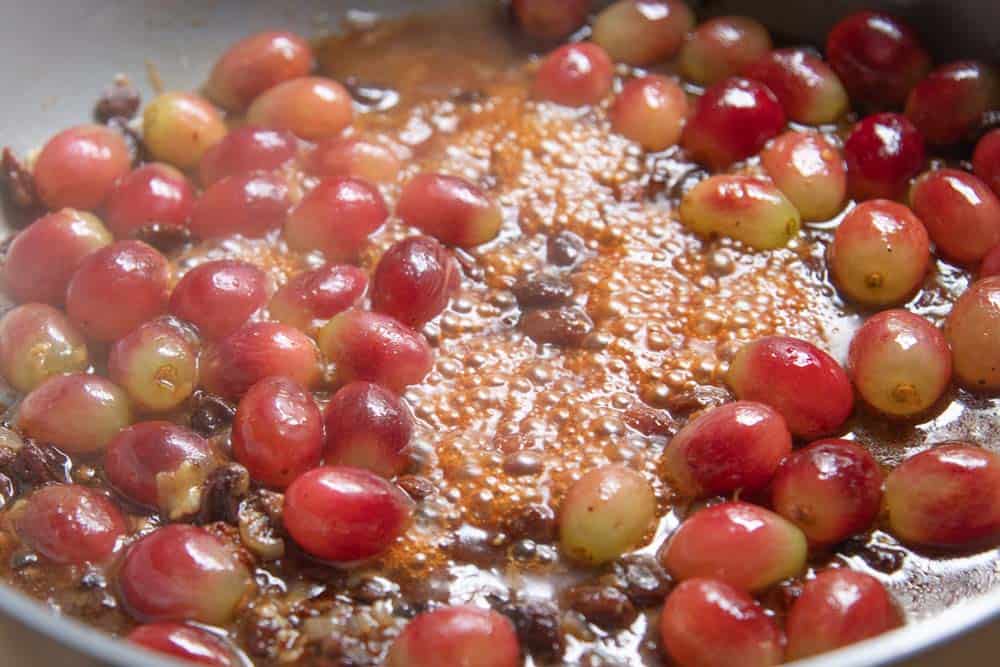
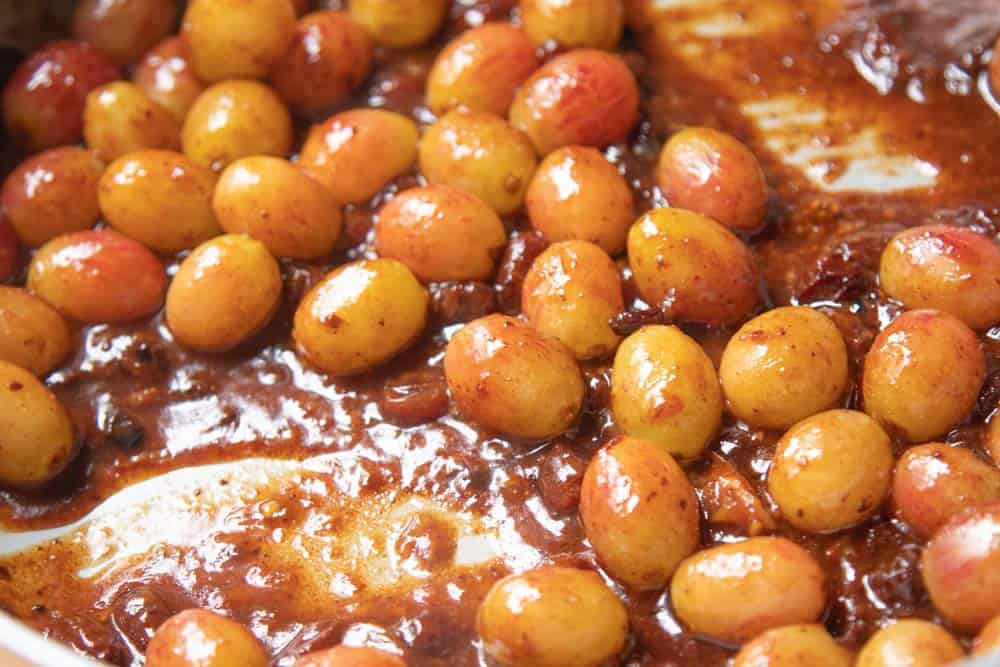
- Remove the cooked chicken into a dish and cover to keep warm. Add the grapes and raisins with their soaking liquid and the stock to the pan, bring to a simmer for 4-5 minutes until the grapes plump and start to lighten in color slightly.
- Meanwhile, mix the heavy cream and sour cream together and add them to the pan. Cook for several minutes, stirring constantly, until the sauce thickens enough to coat the back of a spoon.
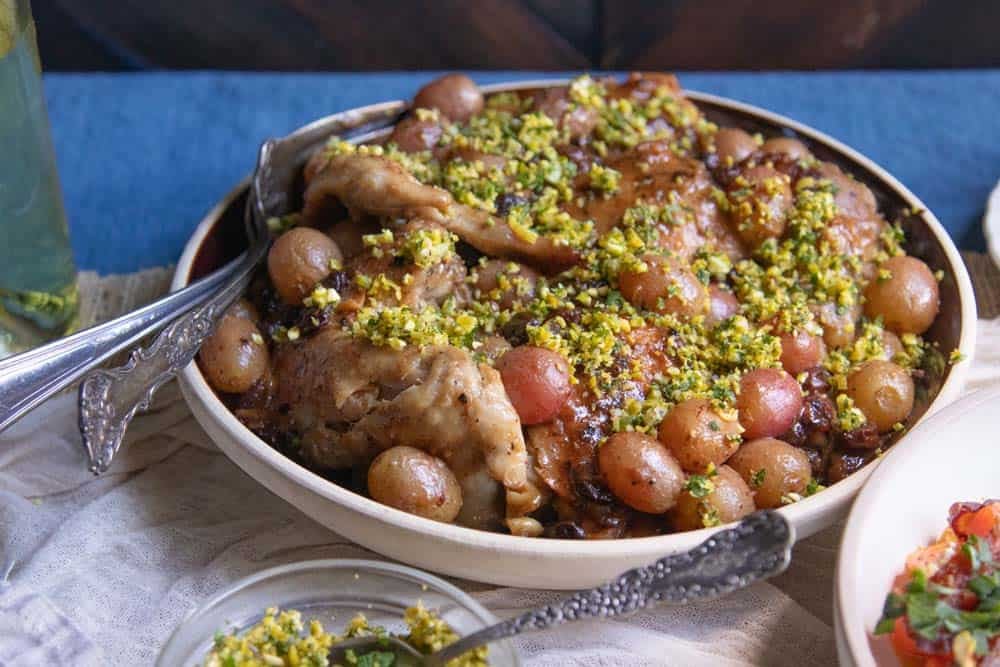
- Return chicken to the pan, baste with the sauce, then transfer the contents of the pan to a warm, rimmed platter. Sprinkle with the prepared gremolata and serve immediately.
Video
Notes
Nutrition
What You Should Know About the CA GROWN Ingredients in This Recipe:
California Raisins: Tiny, Mighty, Everywhere
If you’re eating raisins in the U.S., they’re from California. Every single one. California supplies 100% of the nation’s raisin crop, and growers continue to push things forward with smart, sustainable practices like DOV (dry-on-the–vine) raisins, where grapes dry right on the vine.
Raisins are way more versatile than they get credit for. Snack on them, bake with them, or use them in savory dishes where a little natural sweetness goes a long way, like Pasta Foriana.
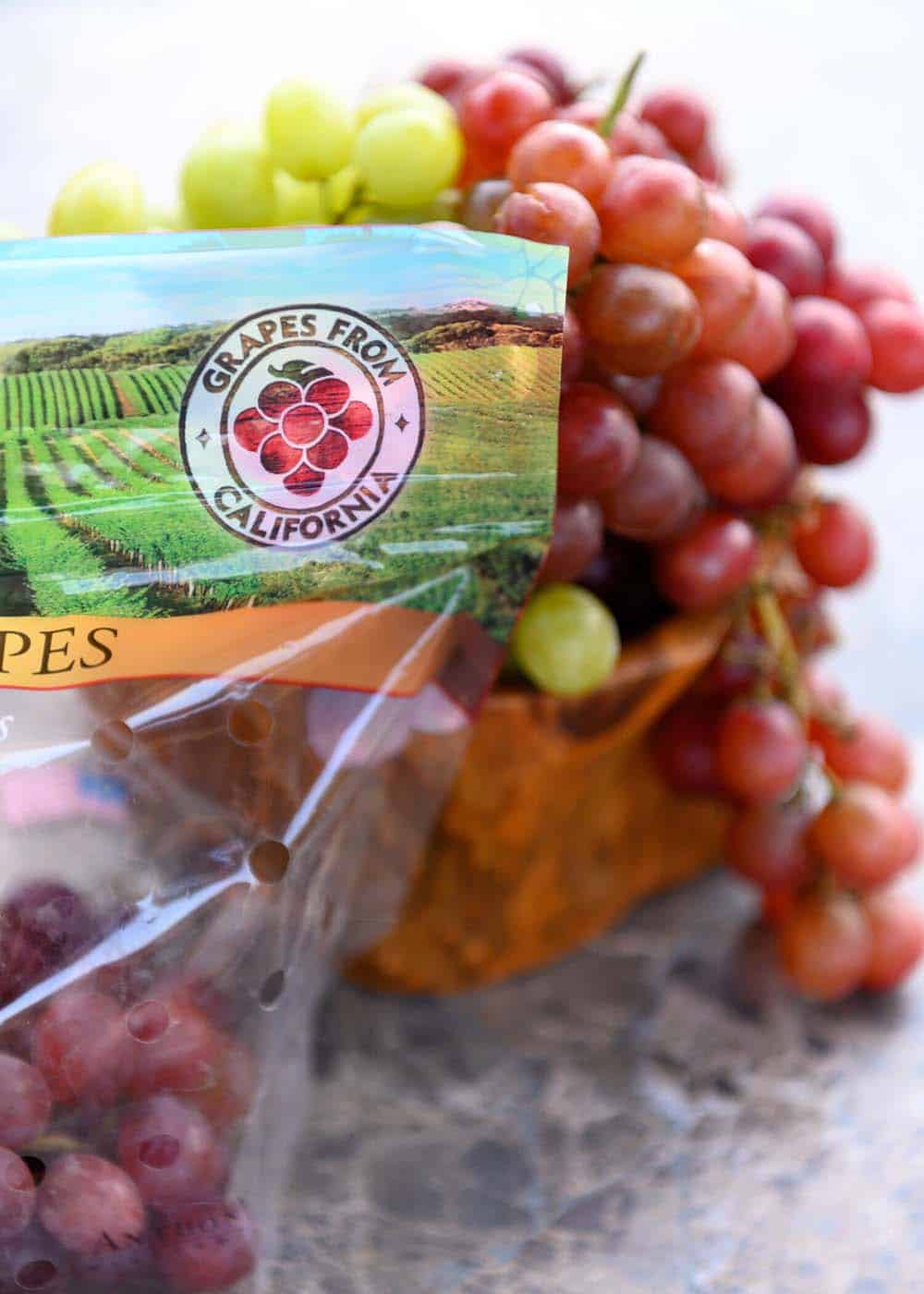
California Table Grapes: Sweet, Simple, and Grown in the Golden State
California grows over 99% of the nation’s fresh table grapes, with grapes coming from the Coachella Valley early in the season and the San Joaquin Valley later on. The state has been growing grapes for more than 200 years, producing about 80 varieties, even though most of us just know them as green, red, or black.
Fresh California table grapes are available from early summer through January, making them an easy choice for snacking, cooking, and entertaining. When you’re shopping, look for grapes from California, and if you don’t see them, ask your grocer to carry them for you.
Photo by Alycia Moreno
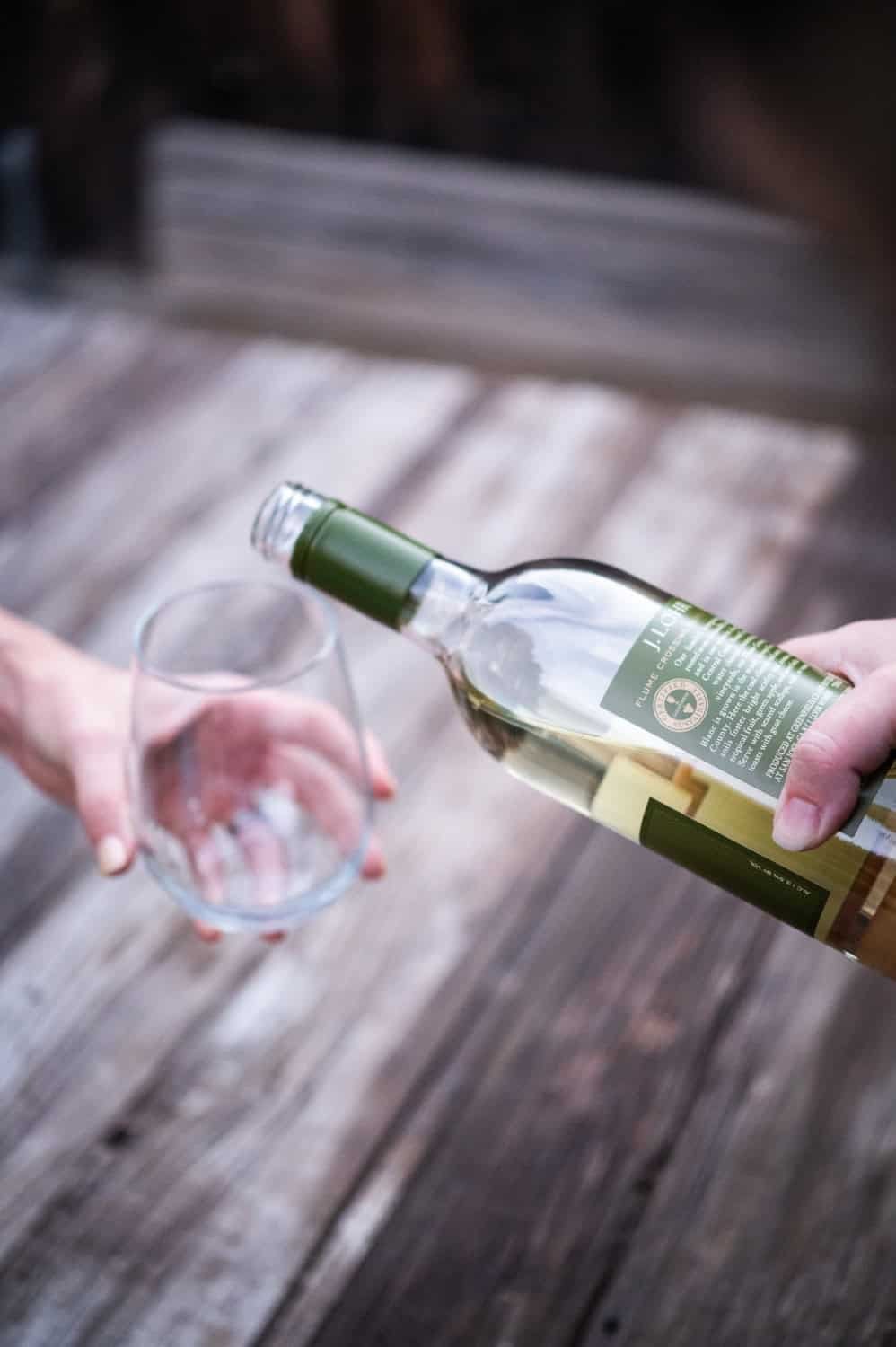
California Wine: Good for the Glass, Better for the Land
California is the fourth-largest wine-producing region in the world, and sustainability is built into how wine is made here. Nearly 70% of vineyard acreage is certified, and over 90% of California wine is produced in certified wineries, using climate-smart practices that actually make a difference.
That care carries through to the glass. Wines like California Sauvignon Blanc reflect the state’s diverse regions and thoughtful approach to farming and winemaking. From everyday meals to cooking with wine, California wine proves that taking care of the land and making great wine go hand in hand.
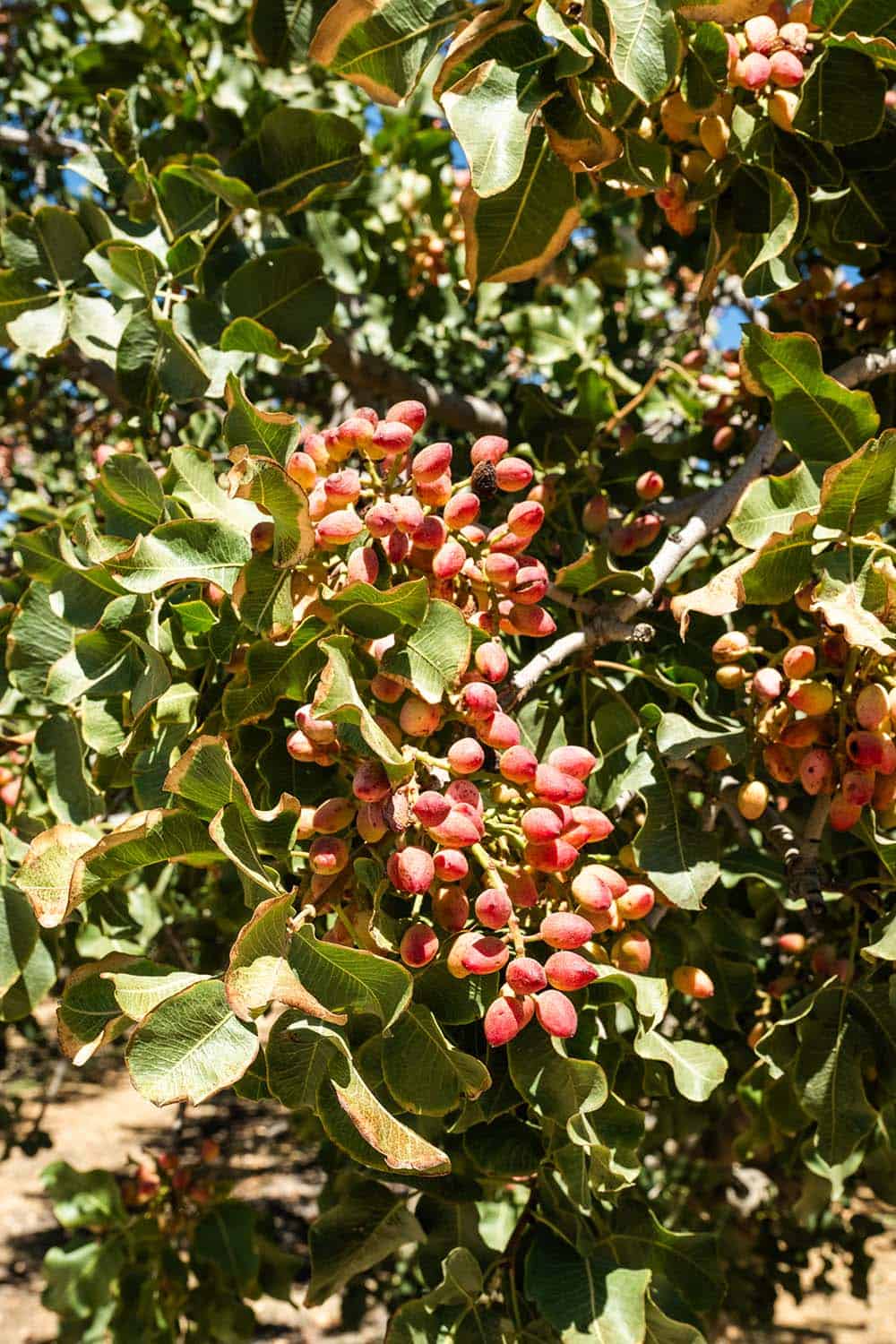
California Pistachios: Small Nut, Big Energy
If you’re snacking on pistachios in the United States, they almost certainly came from California. More than 98% of American pistachios are grown here, and the United States now leads the world in pistachio production. These vibrant green nuts have deep roots in the Golden State, with the first trees planted in the early 1880s.
Pistachios aren’t just tasty. They’re also a plant-based source of complete protein, making them a smart, satisfying snack. Did you know that a 1-ounce serving equals about 49 pistachios, which is more per serving than any other snack nut? It’s true! You know what they say, good things come in small packages, and that is especially true when you’re talking about California pistachios.
A Word About California Extra Virgin Olive Oil:
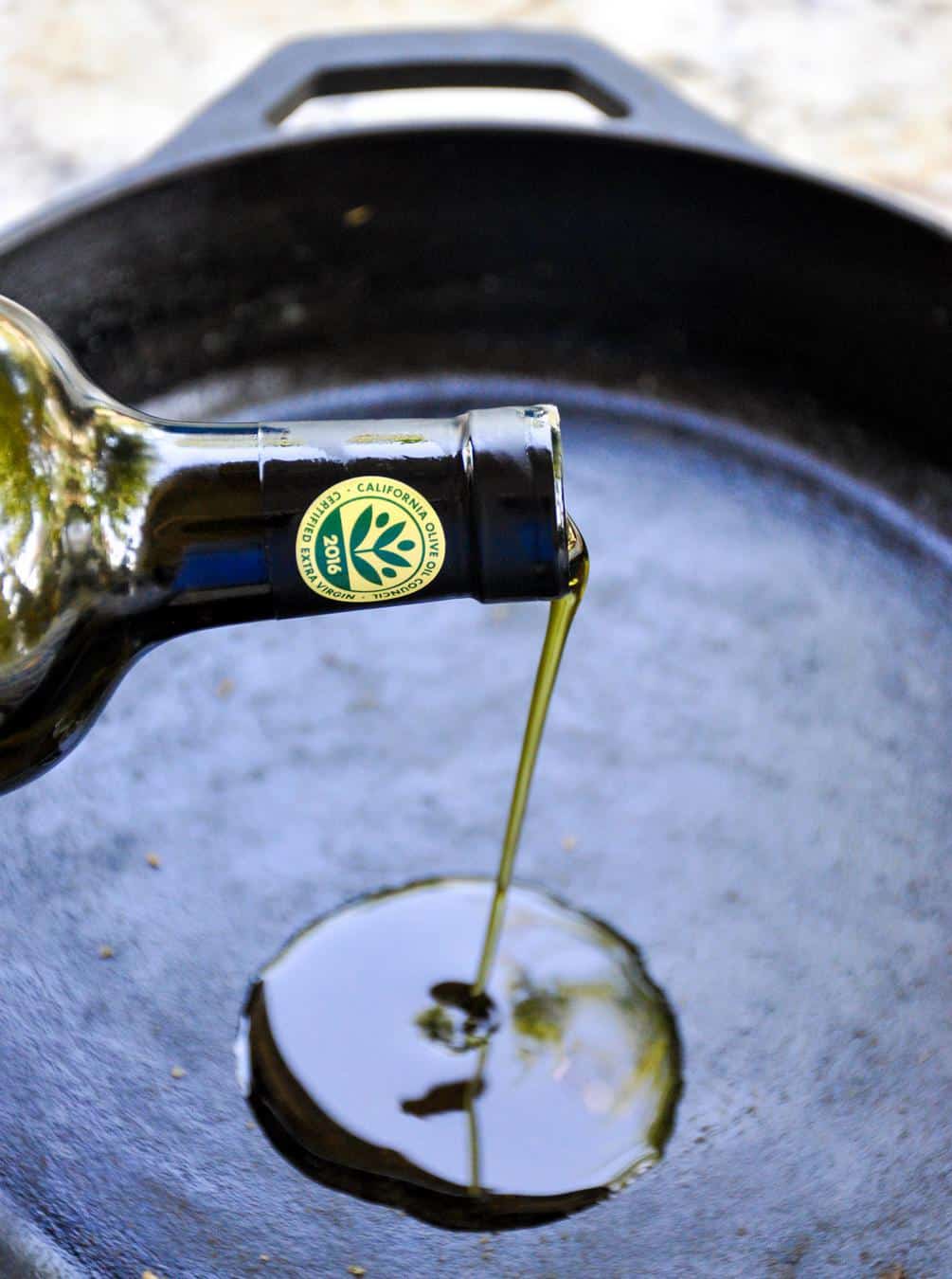
Want to be sure your olive oil is fresh, the highest quality, and the real deal? Look for the COOC seal on bottles of California Extra Virgin Olive Oil to make sure you’re getting delicious 100% Extra Virgin Olive Oil. Certified California EVOO uses stricter standards than international requirements, requiring the oil to pass chemical testing and a sensory analysis by a group of experts, called an organoleptic panel evaluation.