
CA GROWN Blog
Discover. Learn. Connect.
A Zesty Orzo Salad with Baby Artichokes and Lemon
Meet Them Here
Read Bios »A Zesty Orzo Salad with Baby Artichokes and Lemon
If you’ve been walking past baby artichokes at the farmers market because you weren’t sure what to do with them, this orzo salad is your answer. Grab a bag. We’re going to fix that.
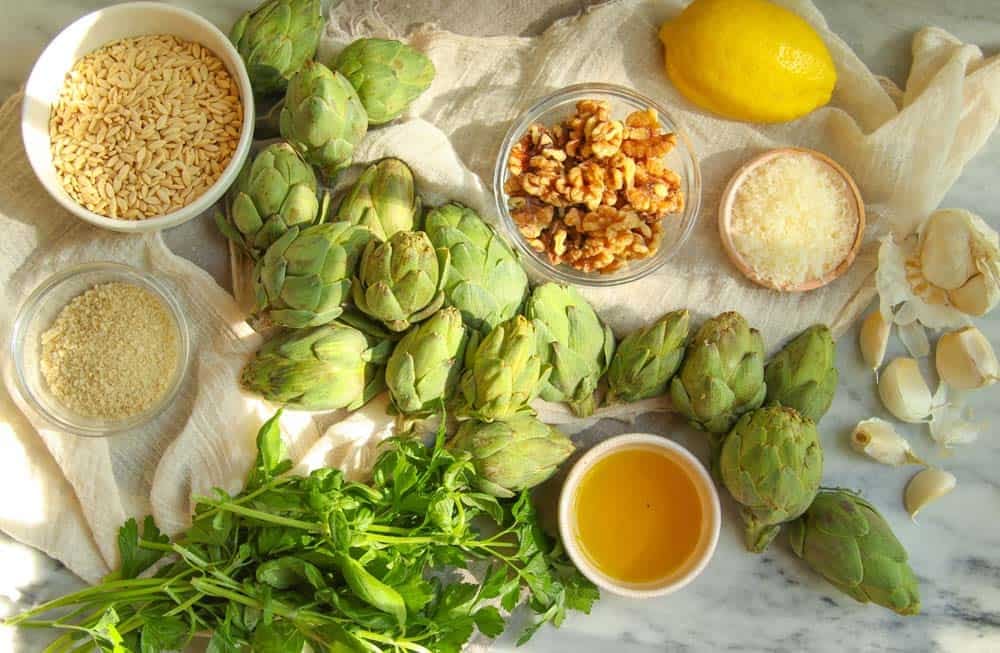
Baby artichokes are one of spring’s most underrated finds. They show up looking a little intimidating with their tight, layered leaves, which may be why many people walk right past them. What those people are missing is that baby artichokes are almost entirely edible, they take a fraction of the prep time of full-size artichokes, and right now, they are at peak season in California.
California Artichokes: Yes, They’re a Vegetable (And a Flower, Too)
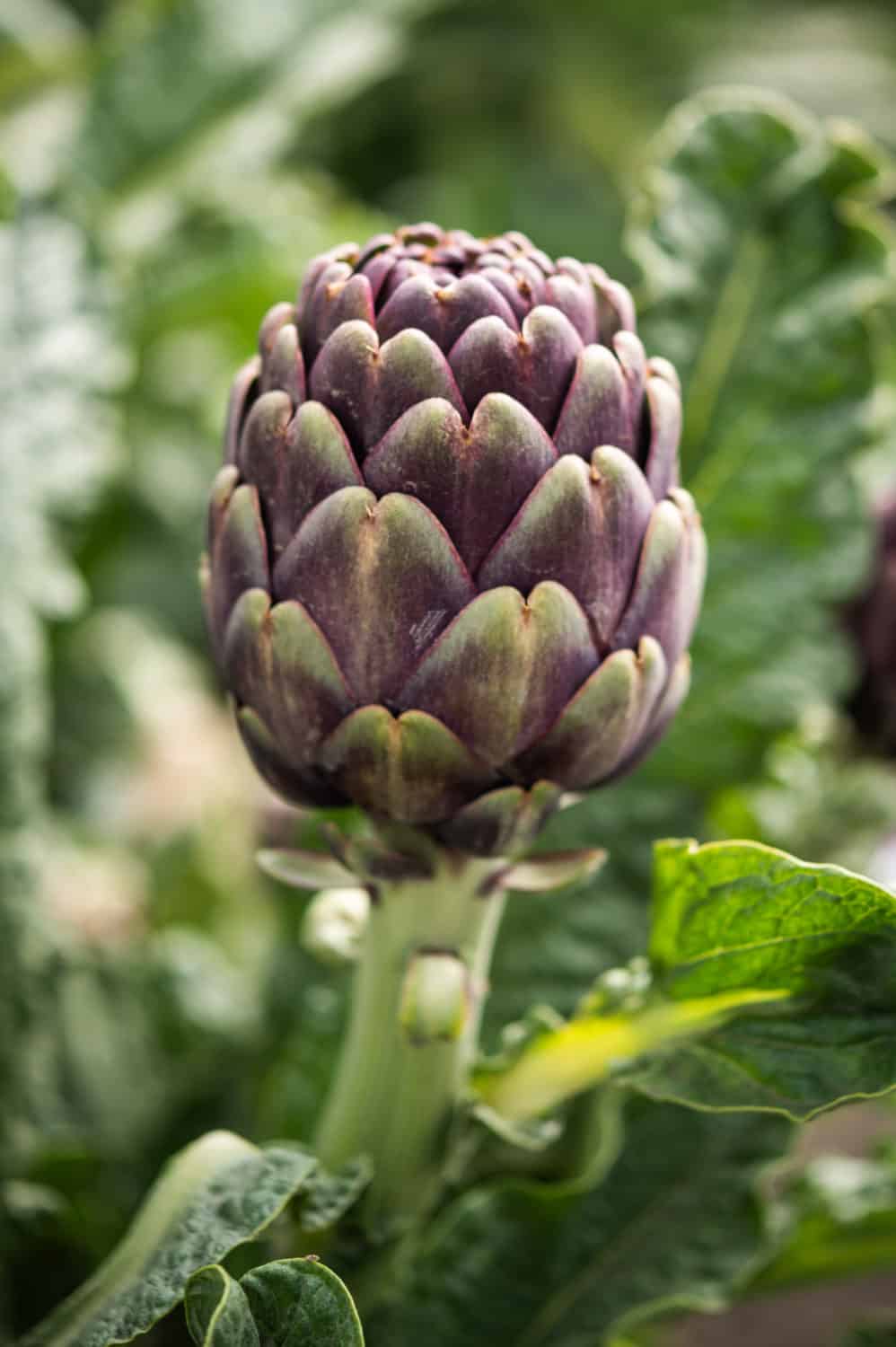
Let’s get one thing straight. An artichoke is a vegetable, but the part you eat isn’t actually a vegetable at all. It’s a flower bud. Artichokes are a type of thistle in the sunflower family. And in case you’re wondering just how California this crop is,artichokes were officially named the California state vegetable in 2013.
California grows 99% of the nation’s commercially produced artichokes, and they’re grown exclusively in the Golden State, mainly along the Central Coast and in the Coachella Valley. Fresh artichokes shine during their peak seasons from March to May and again in October, when flavor and texture are at their best. Outside of those windows, jarred and frozen California artichokes make it easy to enjoy them year-round.
This orzo salad is the recipe that will show you just how easy it is to use baby artichokes. Add a bright lemon dressing, golden-toasted walnuts mixed with breadcrumbs, fresh herbs, a hit of Romano, and California olive oil, and you have a summer delight for the senses. This orzo salad works warm, at room temperature, or straight from the fridge. Let’s start at the beginning.
California Grows the Artichokes. Almost All of Them.
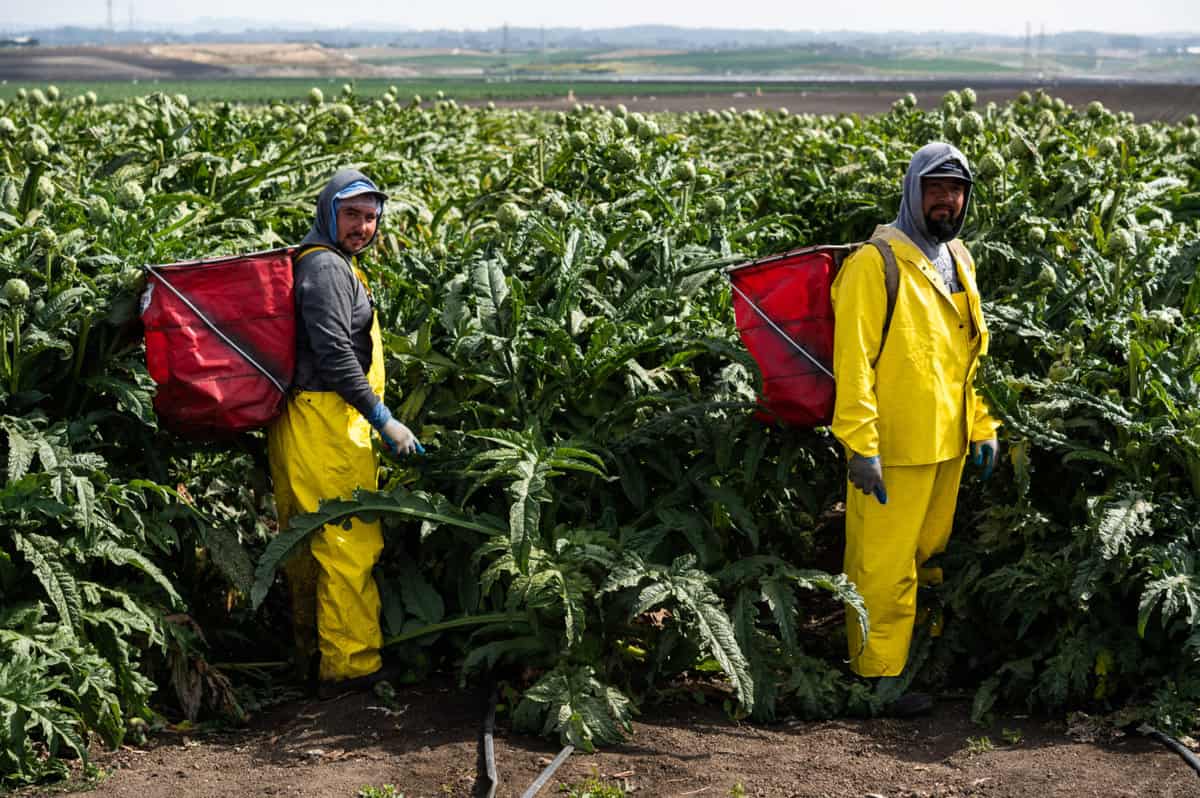
Not most. Nearly all. Did you know that California produces 99% of the nation’s commercially grown artichokes? At the heart of production is a small coastal town in the Salinas Valley called Castroville, known as the Artichoke Capital of the World. The geography is almost absurdly well-suited for artichoke farming: cool coastal air, foggy mornings, mild temperatures year-round.
One family farm, Ocean Mist Farms, holds somewhere between 65% and 85% of the entire U.S. market. They’ve been farming artichokes in Castroville for close to a hundred years. When you pick up artichokes at the grocery store or farmers market, there is a very good chance they came from the Salinas Valley stretch of the central California coast.
Spring is peak season. Baby artichokes are the most available, the most tender, and the most worth seeking out right now. Don’t wait.
Wait, What Exactly Is a Baby Artichoke?
A baby artichoke is not a young artichoke. It’s a fully mature artichoke that grew lower on the plant, sheltered from sunlight by the larger leaves above it.
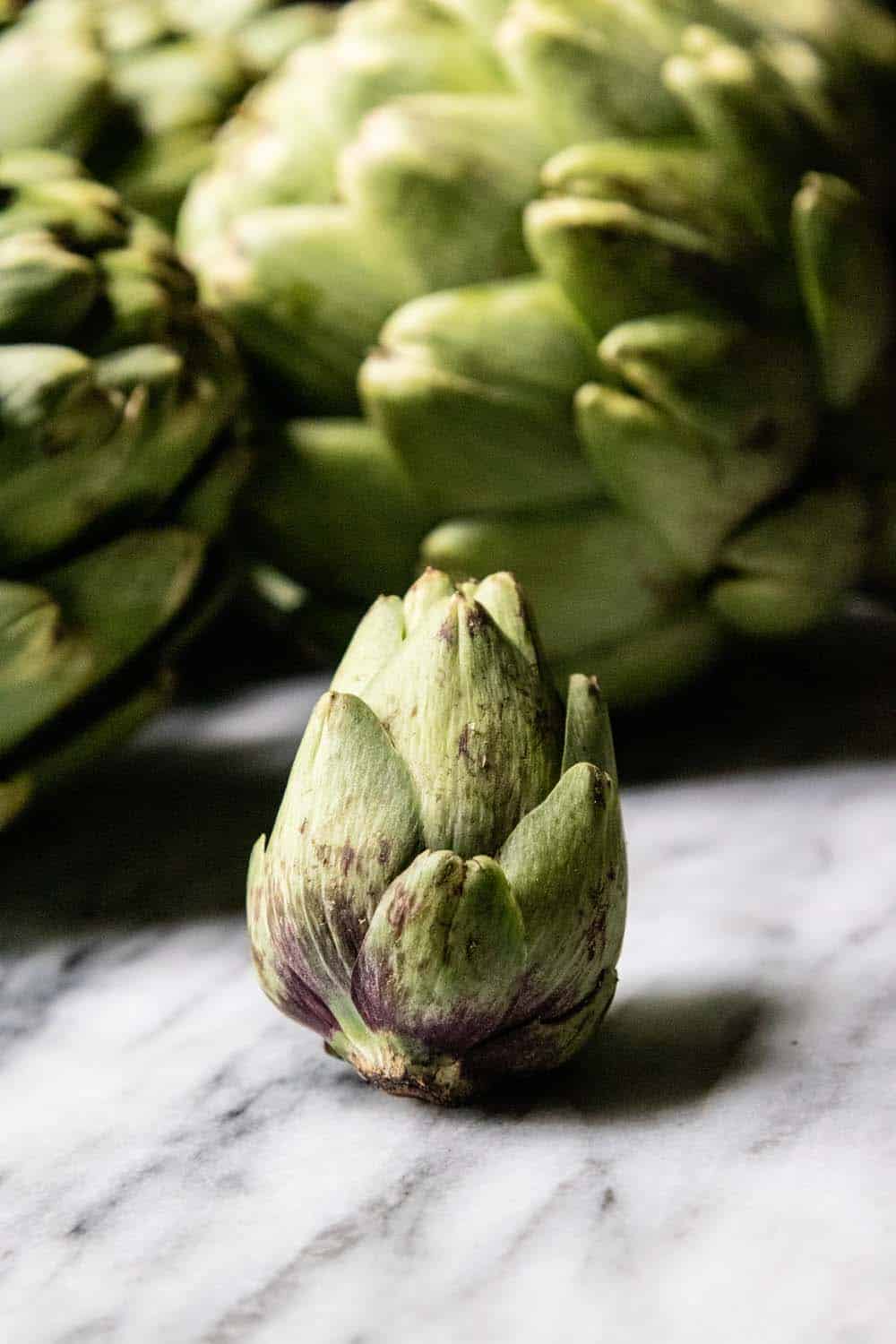
That shading keeps it smaller, more tender, and free of the developed, fuzzy choke that makes full-size artichokes more work. Most baby artichokes are completely edible from stem to tip once you get past the outer leaves.
They’re also genuinely nutritious. Artichokes are high in fiber and antioxidants and provide vitamin C, folate, and magnesium. A medium artichoke comes in around 65 calories, with most of that from carbohydrates and protein, and no fat.
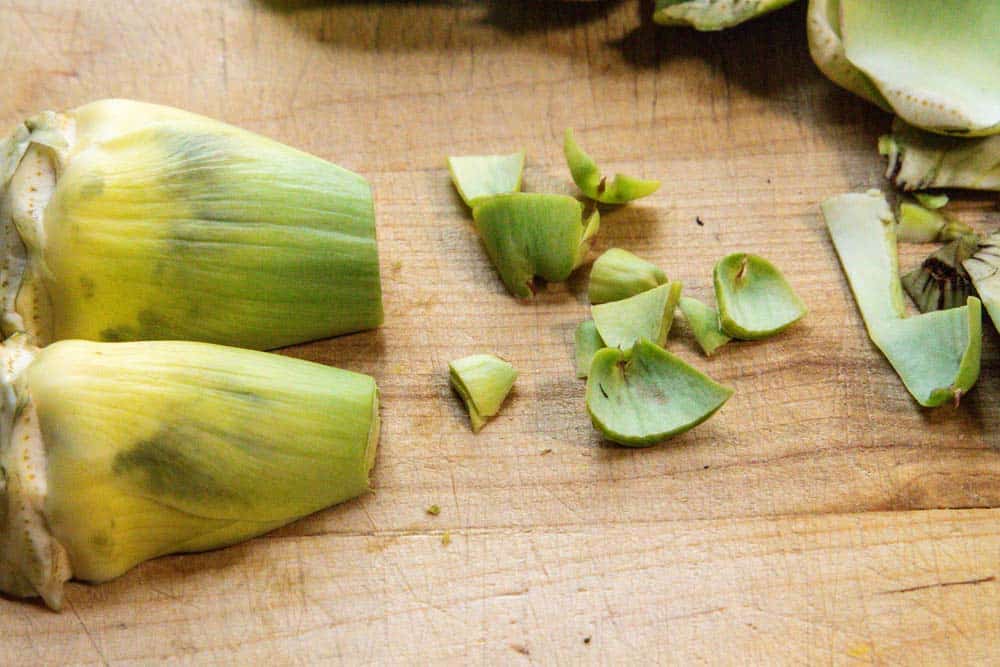
How to Prep Baby Artichokes
Before you touch a single artichoke, fill a bowl with cold water and squeeze in some lemon juice. This is called acidulated water, and it prevents browning the moment you cut into the artichoke. It only takes about thirty seconds to set up, but it is a very important step in the process.
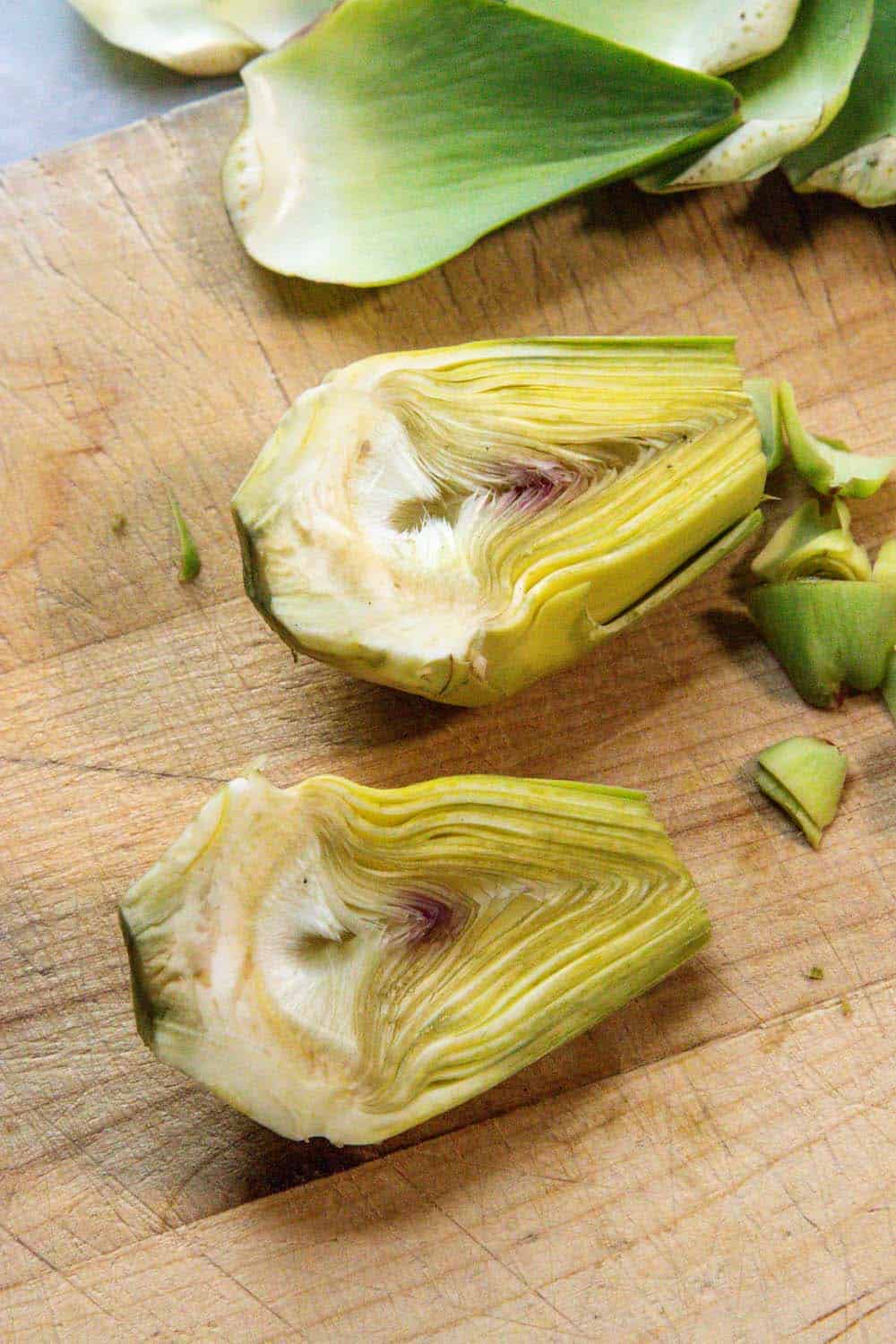
Then:
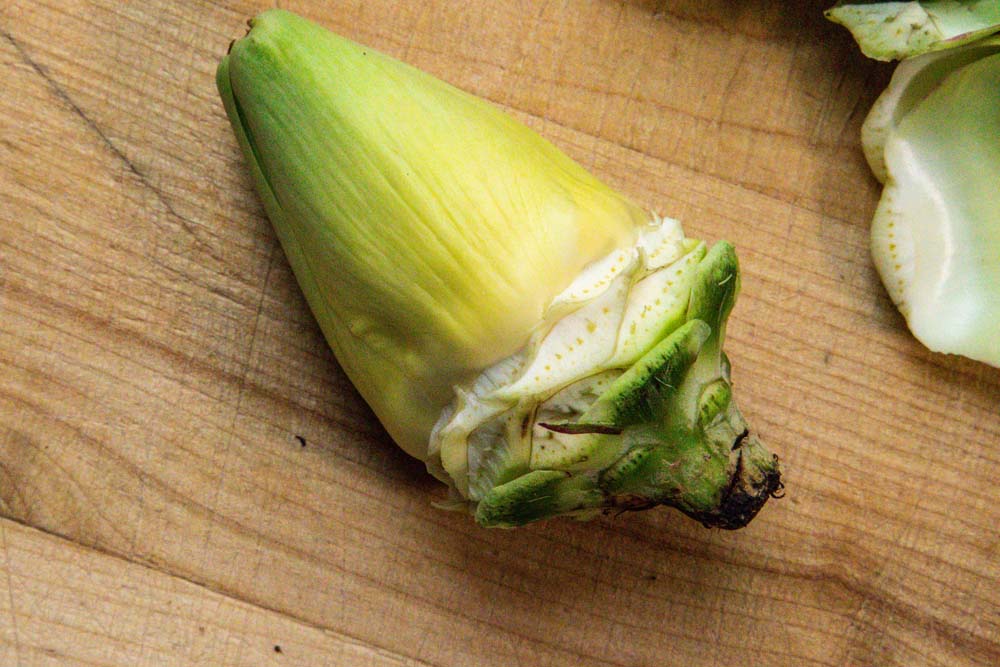
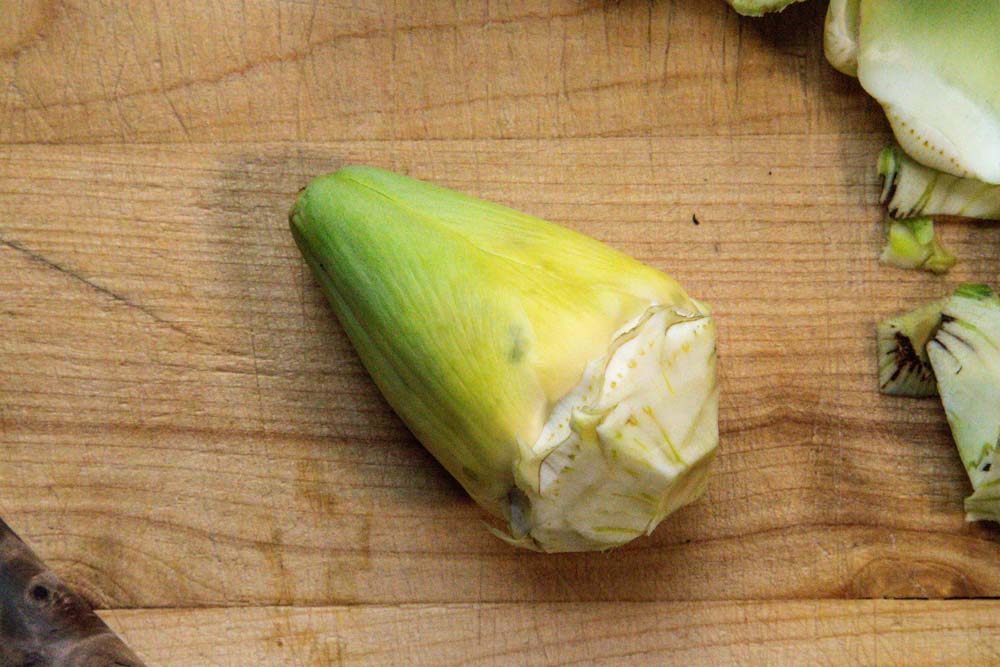
- Pull off the tough, dark green outer leaves, usually two to three layers, until you reach the pale green and yellow leaves underneath.
- Cut off the top half inch to one inch to remove the sharp tips.
- Trim the stem end and peel away any dark green skin.
- Cut each artichoke into halves or quarters. Check for a fuzzy choke and remove it if present. Most baby artichokes won’t have one.
- Drop each piece directly into your lemon water and keep going.
A pound of baby artichokes takes about ten minutes to prep. That’s it.
How to Cook Baby Artichokes
Here are three solid options depending on what you’re after:
Steamed: This is the method in this recipe. Steam your cleaned, quartered baby artichokes for about 15-20 minutes until fork-tender. Their clean flavor and soft texture hold up well when tossed with the lemon dressing and orzo.
Pan-Roasted or Sauteed: Heat California olive oil in a skillet, add garlic, and cook your prepped artichokes for 15 to 20 minutes until golden and tender. With this method, you get some caramelization and a nuttier flavor. Good when you want more color and texture.
Microwave: Place prepped artichokes in a bowl with a splash of water and lemon, cover tightly, and microwave on high for 7 to 10 minutes. Fast and simple when you need to get dinner on the table.
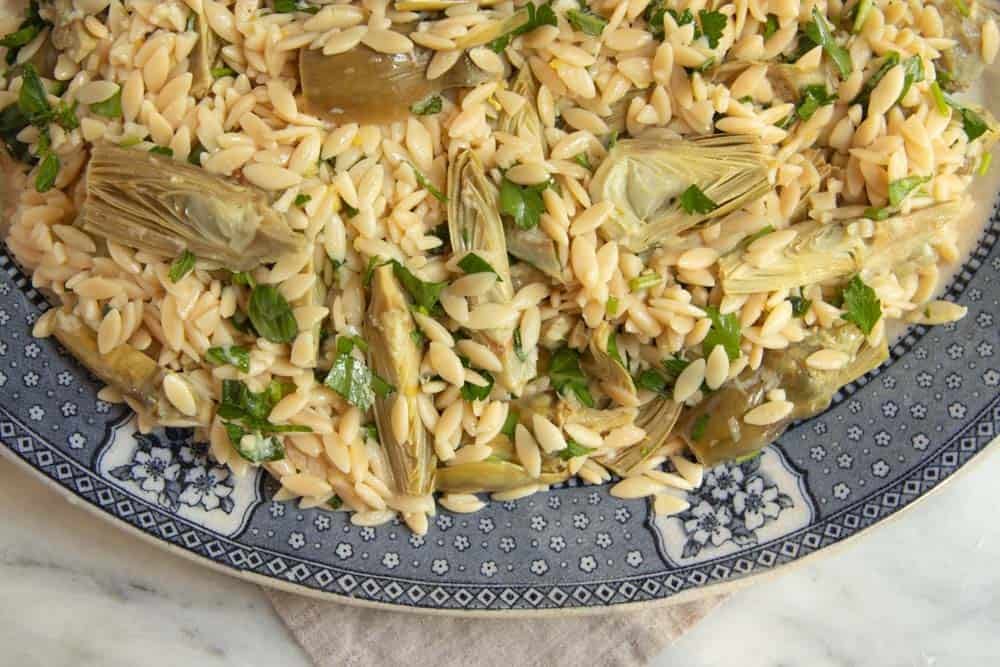
About This Orzo Salad
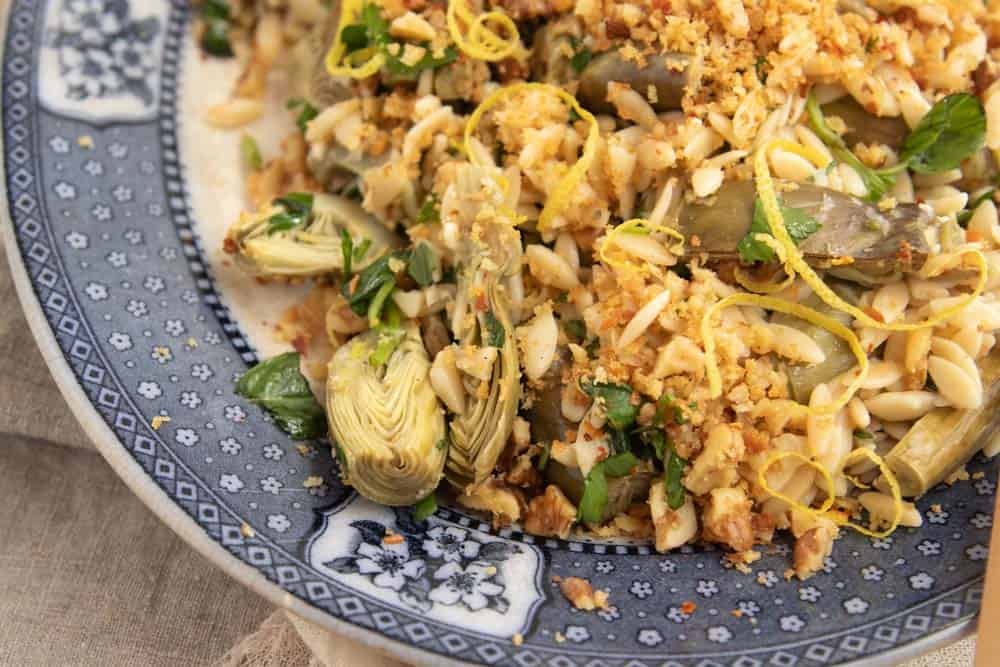
This recipe puts baby artichokes in a dish where they can actually shine. Steamed and quartered or halved depending on size, they get tossed with orzo in a simple lemon dressing made from California extra-virgin olive oil, lemon zest, and fresh lemon juice. Then comes the layers: toasted panko with grated garlic bloomed in olive oil until golden, toasted walnuts, grated Romano or Parmesan, fresh parsley, and torn basil.
The garlic goes in off the heat with the breadcrumbs. That’s intentional. It takes the raw edge off and lets the garlic open up into something savory and fragrant. The crunchy walnut and breadcrumb topping contrasts with the soft orzo and tender artichoke, keeping every bite interesting.
Serve it warm off the stove or let it come to room temperature. Both are great!
Looking for More Ways to Cook with Baby Artichokes?
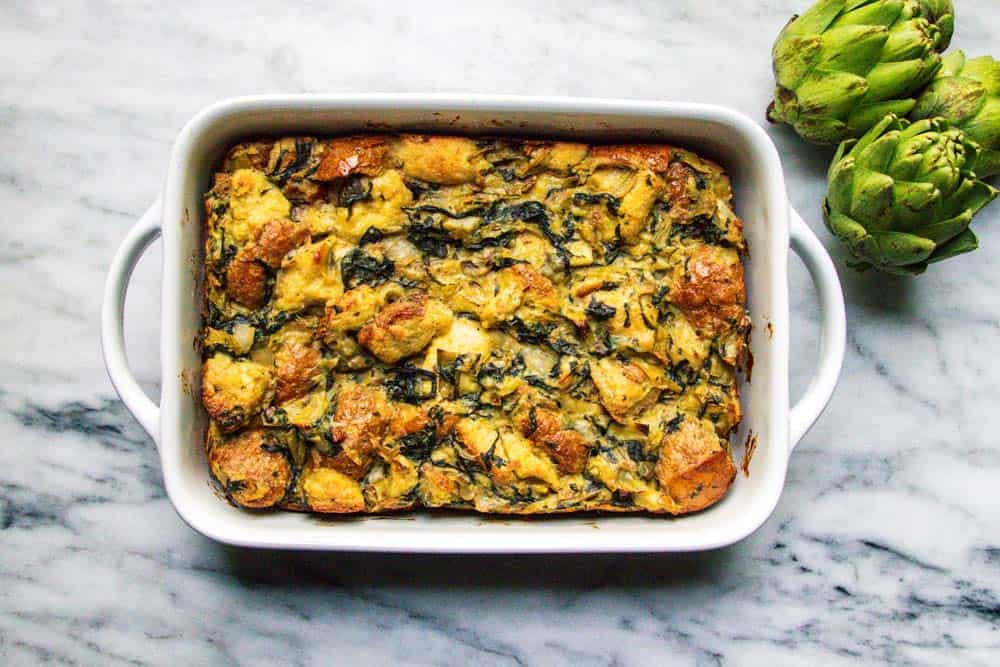
Try This Spinach And Baby Artichoke Bread Pudding Recipe Next!
Embrace the flavors of California with this delightful spin on a classic bread pudding, starring spinach and freshly harvested baby artichokes right from the Golden State. Click here for the recipe.
Hungry for More Delicious Orzo Salad Recipes?
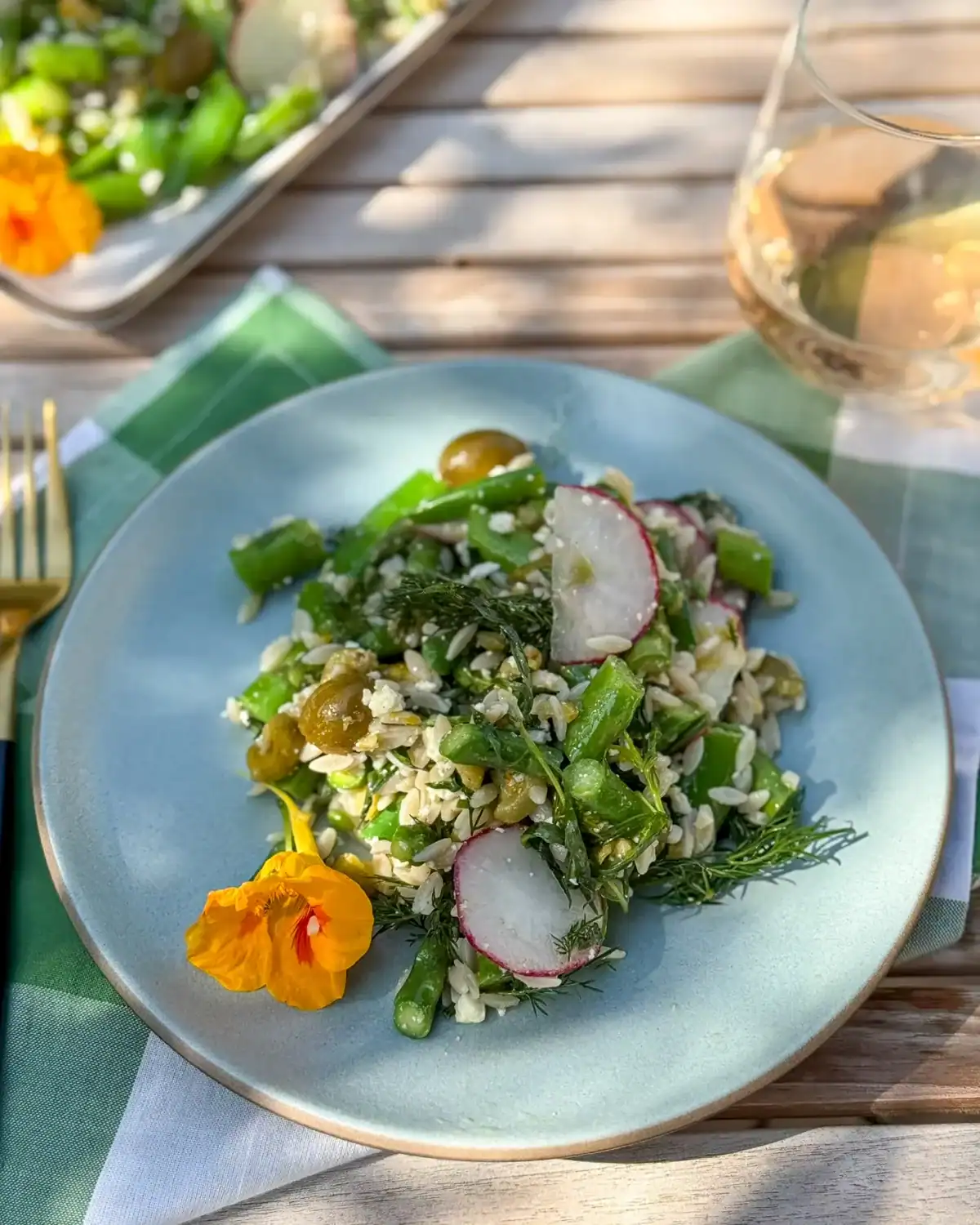
Spring Orzo Salad with Smashed Olive Dressing
A fresh, vibrant spring orzo salad with asparagus, snap peas, radishes, cotija, and a zippy smashed California Ripe Olive dressing. Perfect for spring holidays, picnics, BBQs, and make-ahead lunches!
Love Pairing Artichokes and Pasta? Us too!
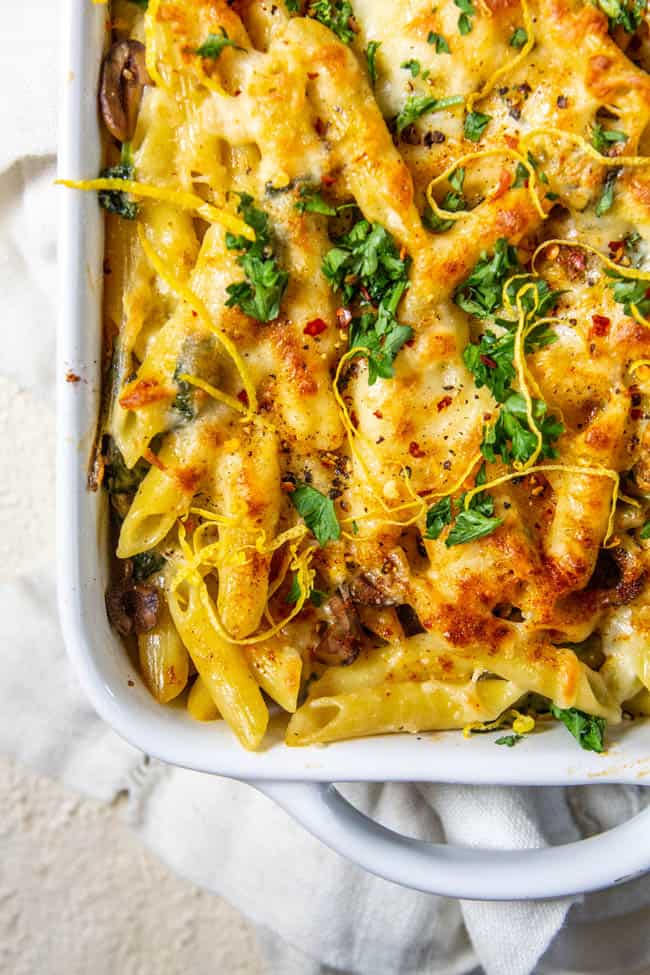
A Simple Spinach and Artichoke Pasta Bake
We seriously can’t get enough when it comes to pairing spinach and artichoke together. Take this pasta bake recipe, for example: it’s filled to the brim with vibrant California-grown produce like garlic, onions, leafy greens, artichokes, green olives, and white wine. It is so easy to make, and it effortlessly feeds a crowd. What more could you want from a pasta dish?!
Need Some Tunes To Listen To While You Are Prepping Artichokes? Check Out This California Grown Spotify Playlist:
Have you tried this orzo salad? We’d love to see your creations! Share your photos with us by tagging #CAGROWN on social media.
Don’t stop here! Follow us on Pinterest for more fresh and fabulous recipe inspiration. Dive into the world of CA GROWN goodness, and let’s make every meal a celebration of the Golden State’s bounty.
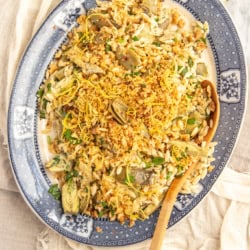
Zesty Orzo Salad with Baby Artichokes and Lemon
Ingredients
- 1 cup orzo
- 1 lb baby artichokes cleaned, prepped, and halved or quartered depending on size.
- 5 TBSP extra-virgin olive oil divided
- 2 lemons 1 tsp of zest, reserved and lemons juiced.
- 1/4 cup panko breadcrumbs
- 1/2 cup toasted walnut halves finely chopped
- 1 small garlic clove finely grated
- 1/4 cup finely grated Romano or Parmesan plus more for serving
- 1/2 cup fresh parsley roughly chopped
- 1/2 cup fresh basil torn if large
- Salt and black pepper
- 1 tsp red chile flakes optional
Instructions
Prep and steam the baby artichokes.
- Fill a large bowl with cold water and squeeze in the juice of a whole lemon. Set aside. Working one at a time, pull off the tough, dark green outer leaves (usually 2 to 3 layers) until you reach the pale green and yellow inner leaves. Cut off the top half inch of the artichoke to remove the sharp tips, then trim the stem end and peel away any dark green outer skin. Cut each artichoke in half or quarters, checking for any fuzzy choke and removing it if present (most baby artichokes won't have one). Drop each piece directly into the lemon water as you work.
- Once all artichokes are prepped, drain them from the lemon water and transfer to a steamer basket set over an inch of simmering water. Cover and steam for 15-20 minutes, until fork-tender. Remove from the heat and set aside.
Cook the orzo.
- Bring a medium pot of well-salted water to a boil. Add the orzo and cook until al dente, according to package directions. Drain and set aside. Wipe out and reserve the pot.
Make the dressing.
- In a large bowl, stir together 3 TBSP of olive oil, 1 tsp lemon zest, and the juice of 1 lemon. Season to taste with salt and pepper. Add the drained orzo and steamed artichokes and toss to coat. Set aside while you prepare the topping.
Toast the breadcrumbs.
- In the reserved pot, heat the remaining 2 TBSP of olive oil over medium heat. Add the panko and cook, stirring often and until golden brown, about 3 to 5 minutes. Remove from heat. Stir in the grated garlic, chopped toasted walnuts, and season with salt and pepper.
Finish and serve.
- Stir the grated cheese and fresh herbs into the orzo. Taste, then adjust with salt, pepper, and additional lemon juice as needed. Transfer to a serving bowl or platter. Top with the toasted walnut and breadcrumb mixture, more lemon zest, red pepper flakes, and extra cheese if you like. Serve warm or at room temperature.
Video
Notes
- Cold water with lemon juice prevents the baby artichokes from browning as you prep them. Drop each piece in as you clean them.
- Baby artichokes are fully edible once the outer leaves are removed. If you find a fuzzy choke when you cut them open, scoop it out with a spoon before cooking.
- This salad holds well at room temperature for a few hours, making it a great make-ahead option for entertaining or potlucks.
Nutrition
Learn More About Some of the Other CA GROWN Ingredients in This Orzo Salad.
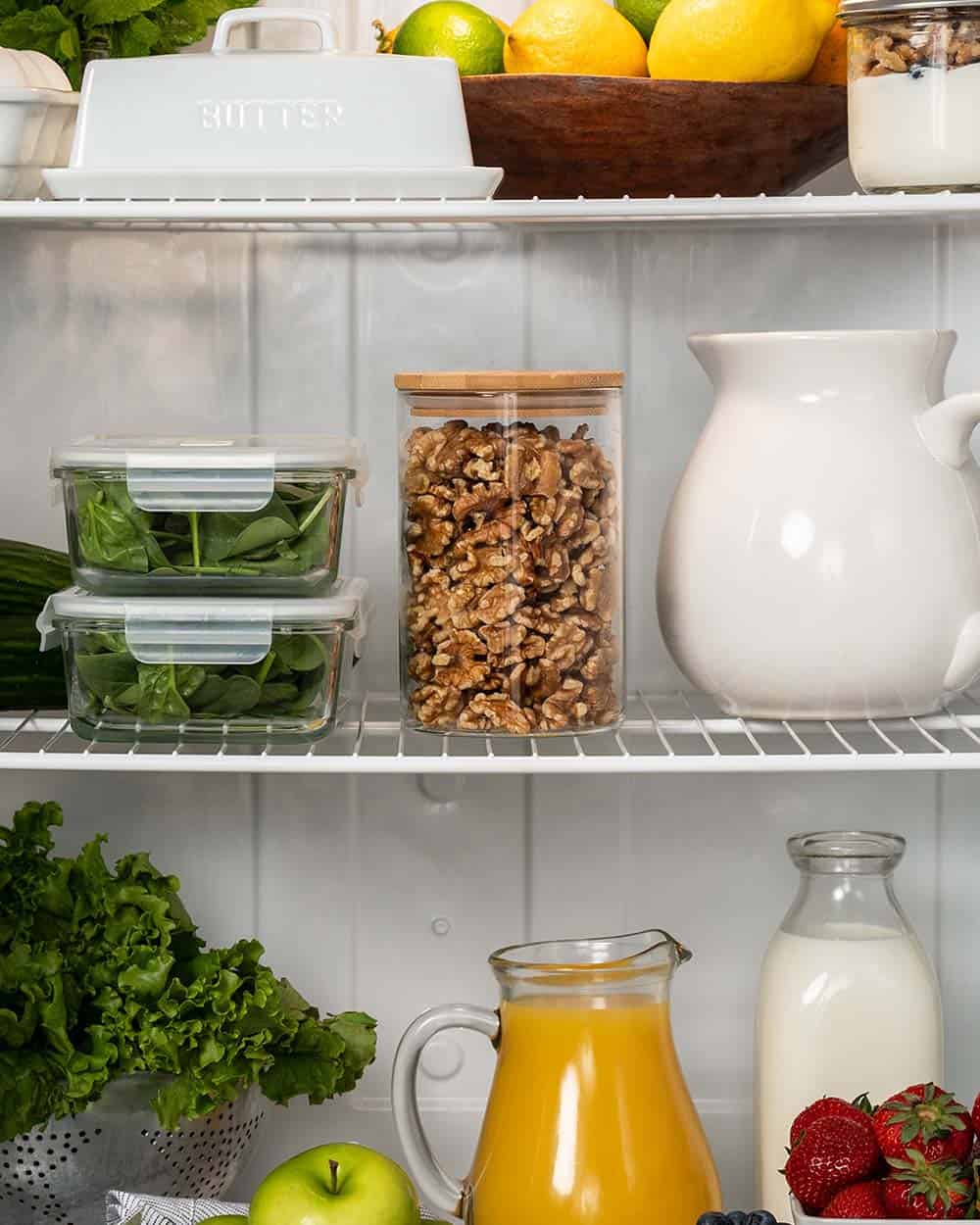
California Walnuts: Crunchy and Classic
If you have walnuts in your kitchen, odds are they came from California. More than 99% of the walnuts grown in the U.S. are produced in California’s Central Valley, and globally, California supplies over half of the world’s walnut trade.
California walnuts bring serious crunch, flavor, and nutrition to both sweet and savory dishes. Curious how they’re grown? Click here so we can break it down.
Pro tip: Maximize California walnuts’ fresh taste and quality by storing them in your refrigerator or freezer.
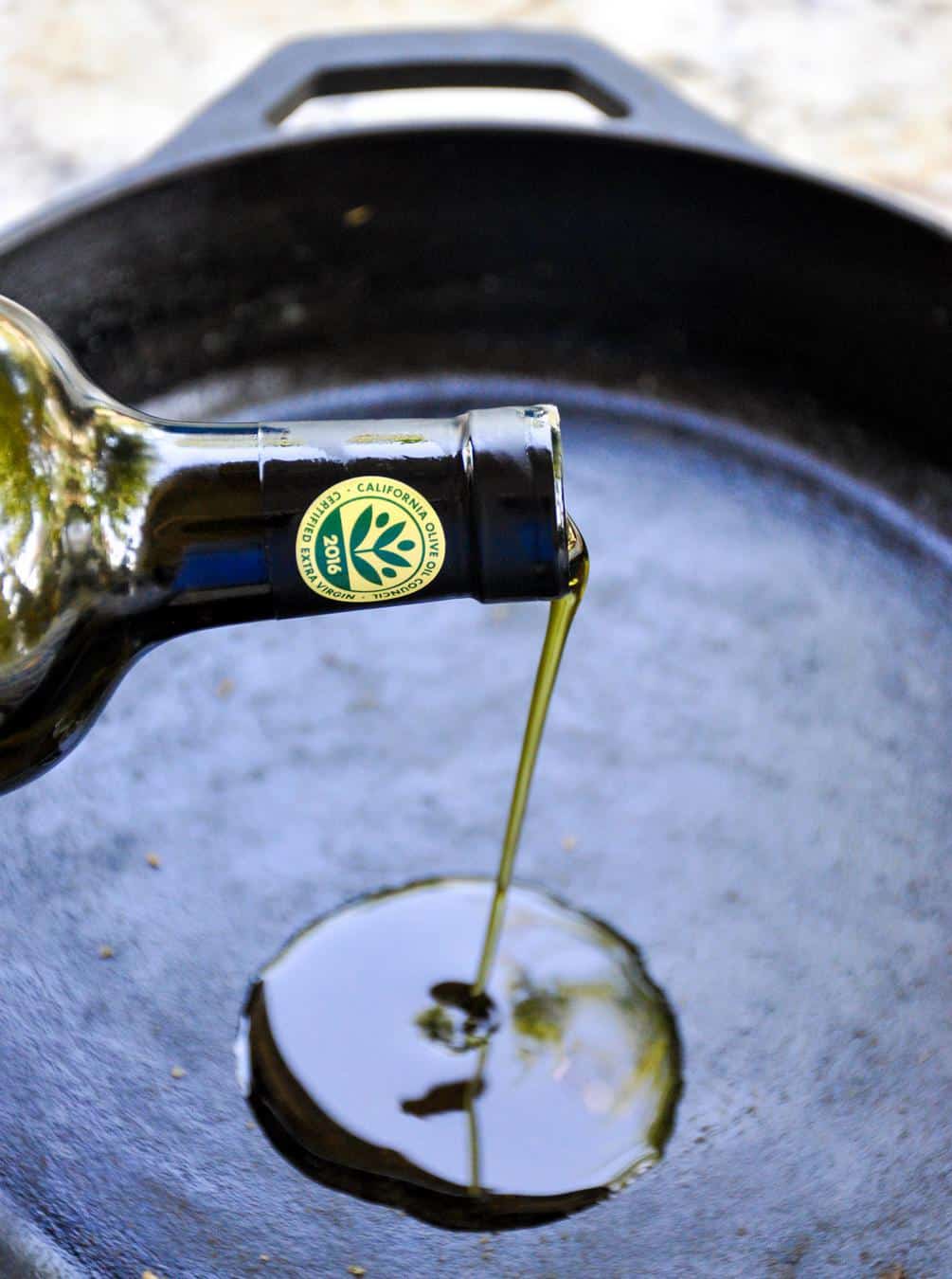
A Word About California Extra Virgin Olive Oil:
Want to be sure your olive oil is fresh, the highest quality, and the real deal? Look for the COOC seal on bottles of California Extra Virgin Olive Oil to make sure you’re getting delicious 100% Extra Virgin Olive Oil. Certified California EVOO uses stricter standards than international requirements, requiring the oil to pass chemical testing and a sensory analysis by a group of experts, called an organoleptic panel evaluation.