
Explore Dutch Hollow Farms for U-Pick Flowers, Pumpkins and Seasonal Fun
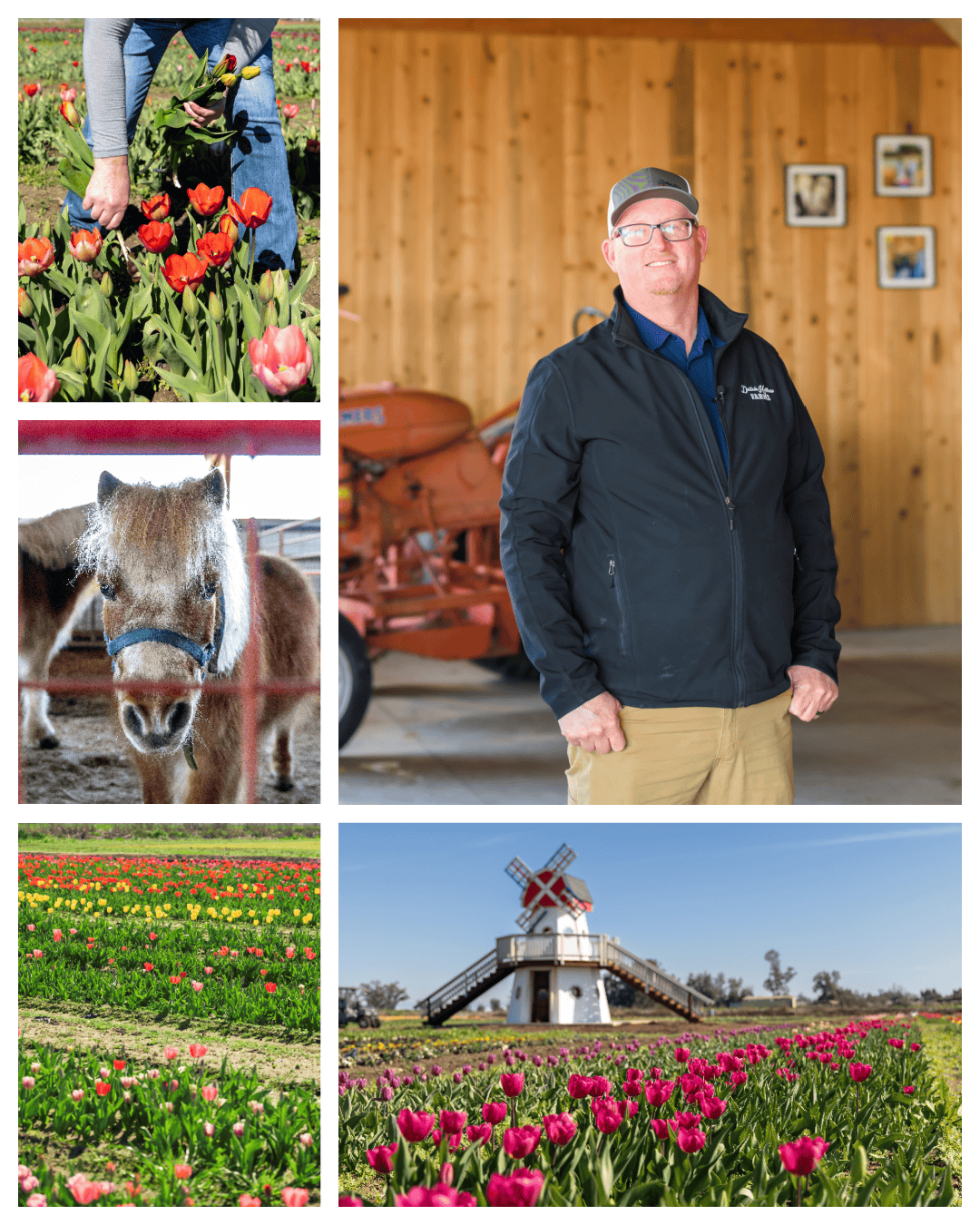
It’s easy to see why Dutch Hollow Farms is one of the Central Valley’s most beloved U-pick flower farms. Owner John Bos deftly combines agricultural education with good old-fashioned fun, all set against a backdrop designed for social media-savvy visitors. Guests leave not only with a better understanding of life on the farm, but with armfuls of blooms and Instagrammable memories to match.
These California-grown flowers started with a roadside stand
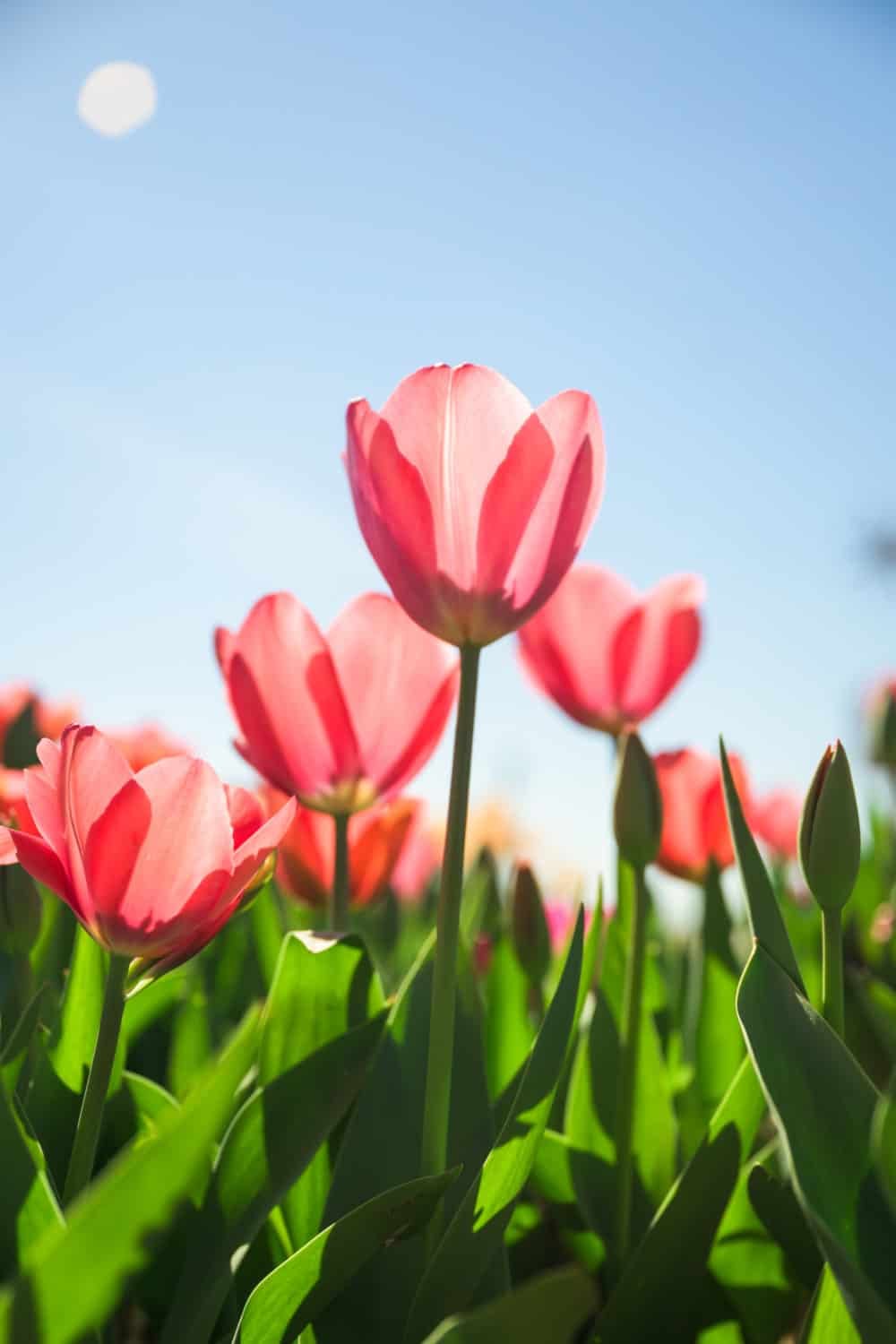
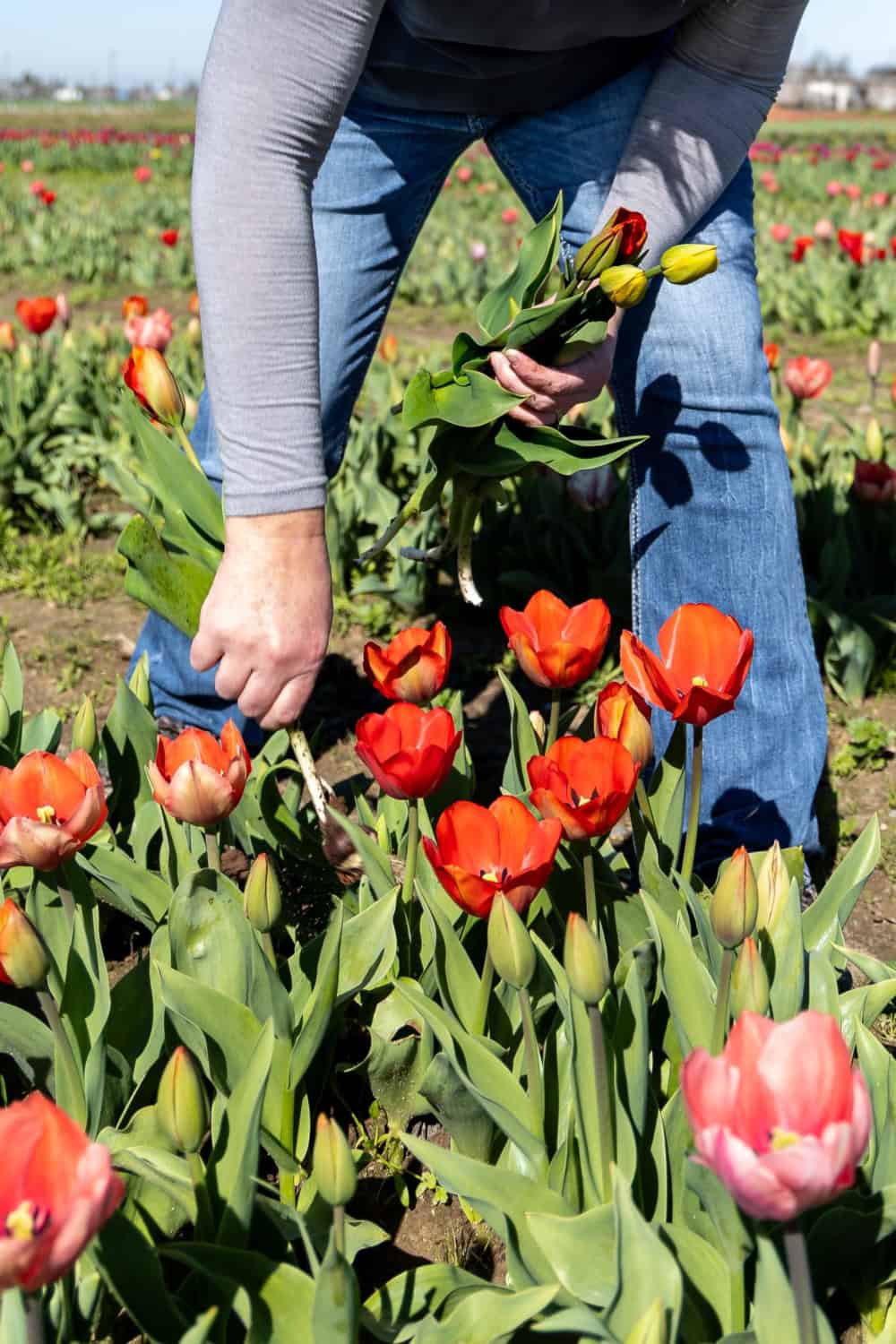
While Dutch Hollow Farms is popular for agritourism today, it’s a classic example of the snowball effect – starting as a small-scale cut flower stand and evolving into an agritourism destination. John’s original inspiration for growing cut flowers came from his mother. He recalls, “My mom was growing these beautiful pink tulips, and I said to my mom, ‘Hey, mom, those are nice.’ And she says, ‘Yeah, why don’t you grow ’em and sell ’em for cut flowers?” He chuckles and says, “And so began the story of me growing tulips here at the farm.”
John started small, with about 200 tulip bulbs. His first harvest was well received by the local community, so he doubled the next year’s planting. This pattern continued for a few years, with John steadily increasing the amount of flowers planted each year.
John attributes some of his initial success to his choice of flower. Tulips are a nod to his family’s Dutch heritage, but can be difficult to grow in the Central Valley’s warmer climate. The tulip’s novelty added to its appeal, driving demand. He notes, “One of the reasons that we kind of got up to scale is the demand for the tulips that we had. Tulips are only at one time of the year. It was like an introduction to springtime and you were able to build up hype for that.”
Embracing agritourism and U-pick flowers
As the cut flower farming operation continued to grow, John noticed that the increased cost of labor took a toll on the farm’s earnings. In an effort to find a way to pay his team a liveable wage while remaining financially sustainable, John transitioned the farm to a U-pick model. Immediately, the farm’s popularity skyrocketed. Dutch Hollow Farms’ brightly colored blooms were the perfect backdrop for stunning photos, and guests excitedly posted pictures and videos of their trips on social media – fueling even more excitement. John recalls, “Social media changed everything. You can take your own pictures, you can pick your own flowers, in the colors that you love the most.”
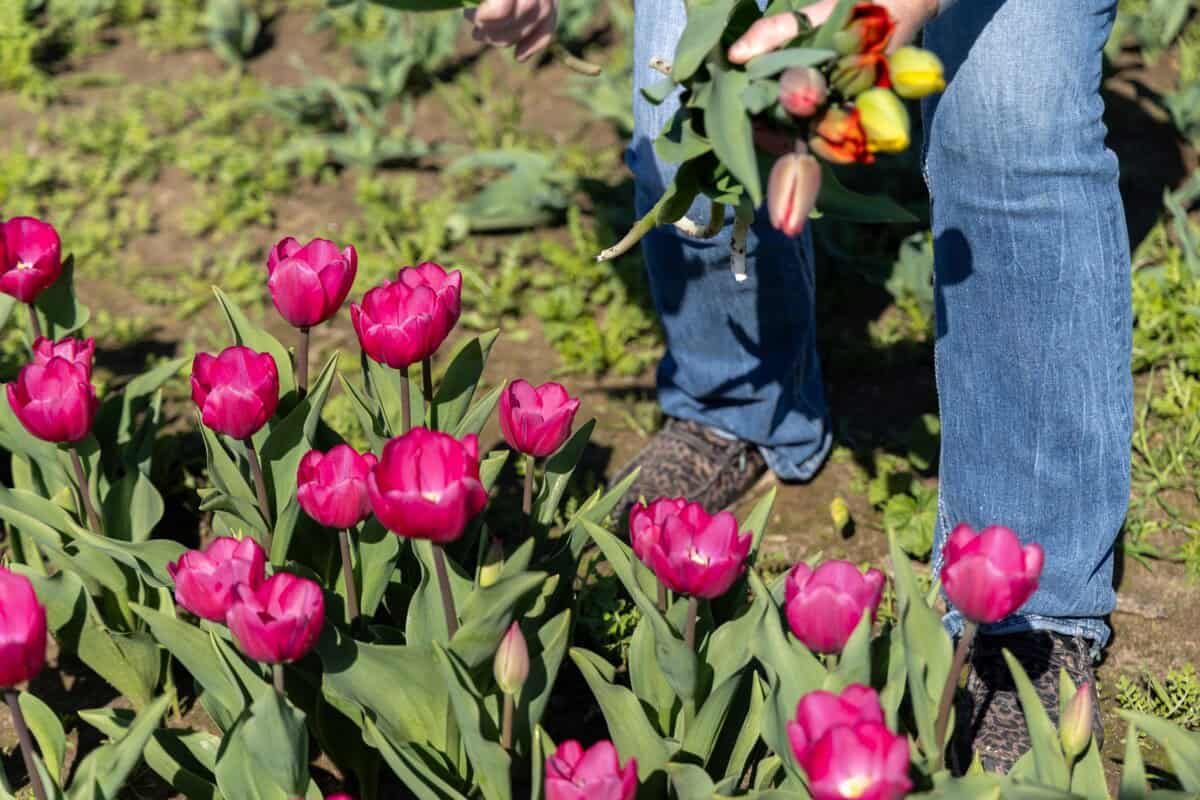
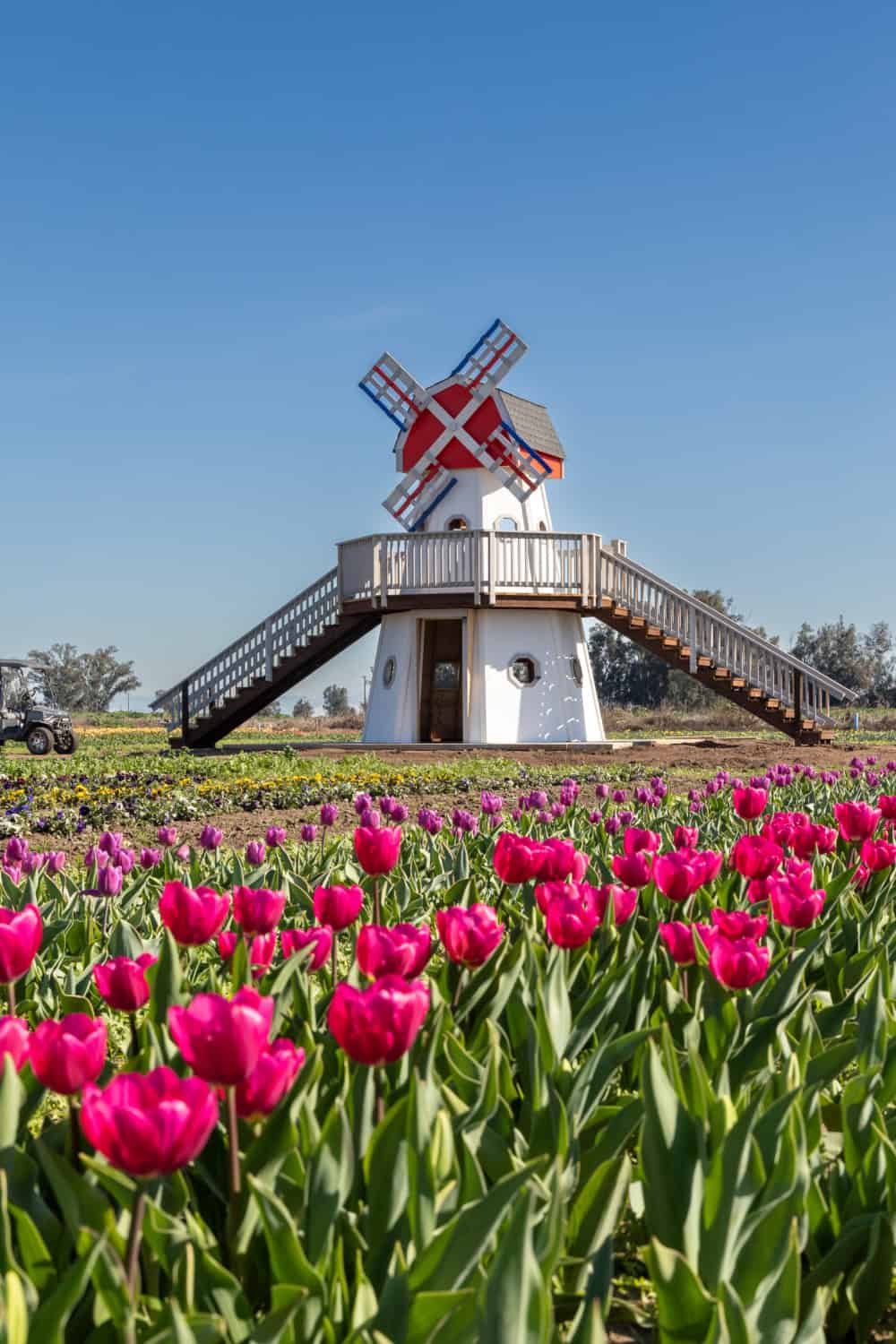
Today, Dutch Hollow Farms offers over 100 varieties of U-pick tulips and has expanded to include other seasonal offerings and events, including Baby Animal Days, U-pick sunflowers, seasonal craft fairs and a wildly popular fall pumpkin patch. Photo opportunities abound, with staged backdrops including neon signs, antique trucks, giant clogs and even a mini-windmill. John notes that Dutch Hollow Farms is looking to incorporate additional U-pick flowers, including marigolds and zinnias, so keep an eye on their Instagram for information about new offerings!
What to do at Dutch Hollow Farms
U-pick tulips: Late January – March
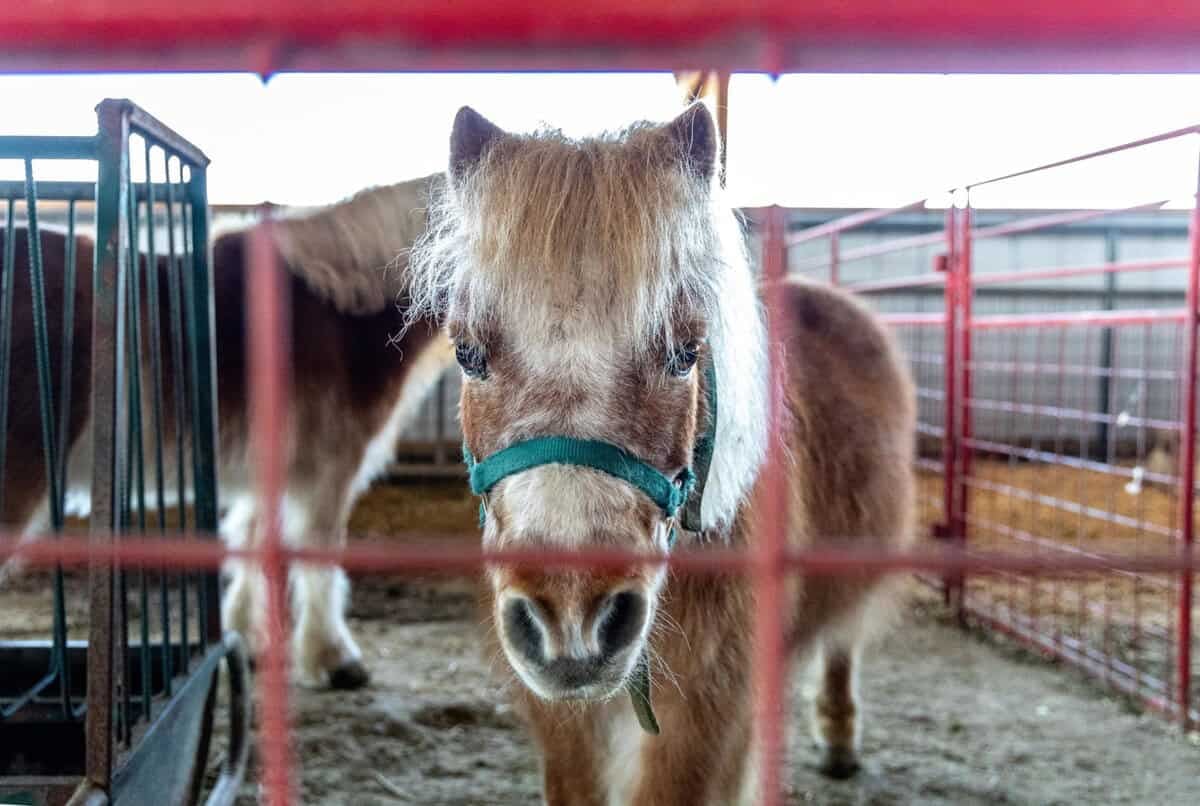
Baby Animal Days: Mid-March through Mid-April
Easter Egg Hunt: Easter weekend
Sunflower U-Pick: November
Pumpkin Patch: October
Seasonal Craft Fairs
Farm facts, straight from the source
While John credits social media with creating excitement around the farm’s u-pick seasons, he’s quick to note that Instagram reels don’t always tell the whole story. That’s why he encourages visitors to come to Dutch Hollow Farms and learn about agriculture straight from the source.
While John credits social media with creating excitement around the farm’s u-pick seasons, he’s quick to note that Instagram reels don’t always tell the whole story. That’s why he encourages visitors to come to Dutch Hollow Farms and learn about agriculture straight from the source. John states, “I’m allowing people to come to the farm and speak with me directly or any of my staff to, to learn how we do things and why. We are trying to give people the understanding of where their food comes from. The great thing about our farm is its a place where there’s no judgment. And I think we all have a good time when we’re out here and they get to learn something.”
Merging Entertainment with Ag Education
John hopes that everyone who visits Dutch Hollow Farms leaves with fond memories, fabulous photos and – most importantly – a greater connection to agriculture. He states, “When we started the pumpkin patch in 2006, we knew we wanted to connect the city with agriculture. California agriculture is completely different from a lot of different states because it’s so diverse. There’s so many different things that we grow here and so many different experiences that you can have at a farm.”
While John and his staff are always available to answer any questions, there are plenty of opportunities for self-guided learning as well. John notes, “During Baby Animal Days and pumpkin season, we have informational signs all around. That is a great educational tool, not only for the kids but the adults as well.”
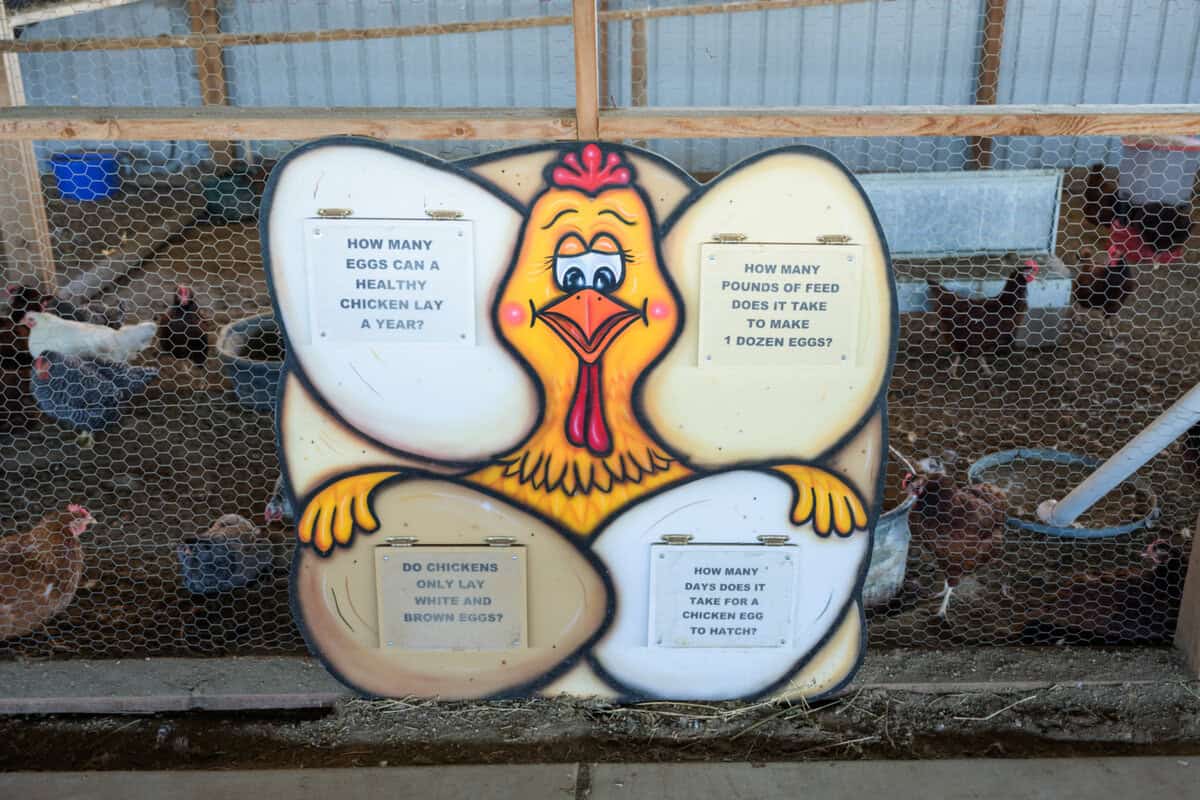
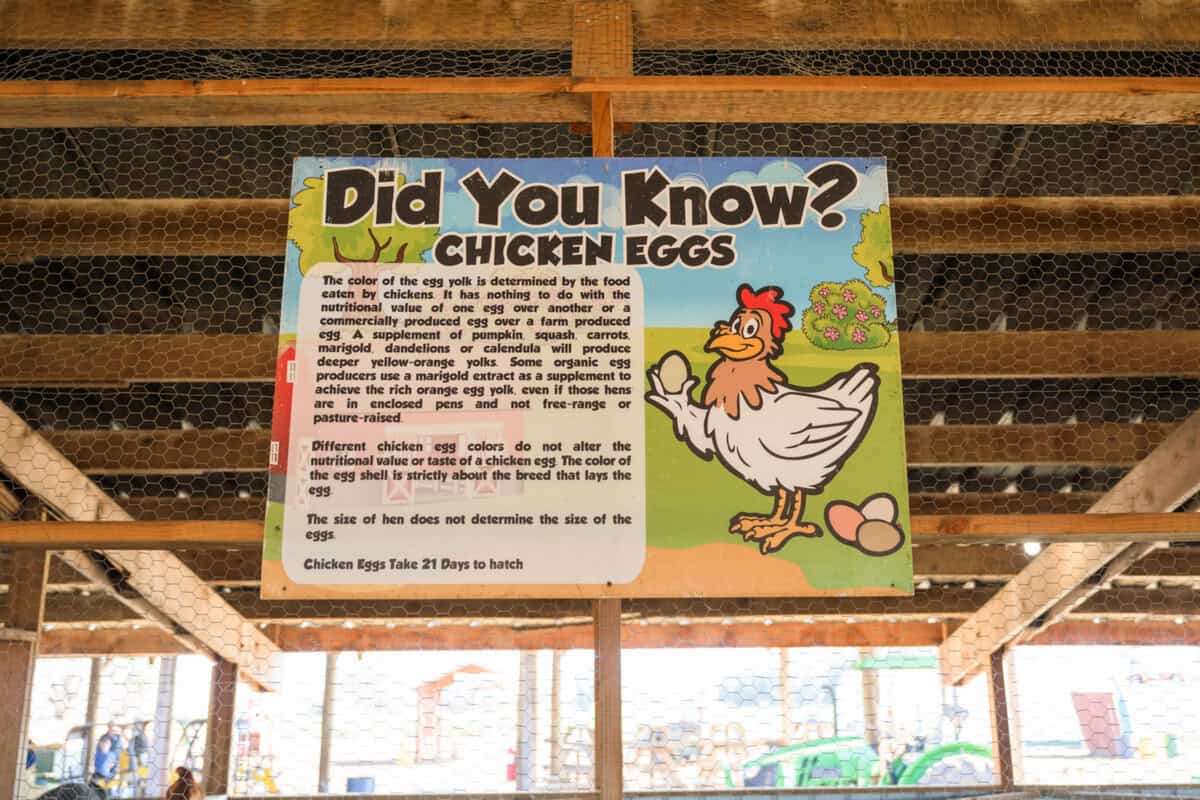
During spring and fall, hundreds of local elementary school students enjoy field trips to Dutch Hollow Farms. These trips are an incredible opportunity for kids to get their hands dirty (literally), and learn more about the basics of farming. John explains, “We teach them the sciences of how to plant, how to grow, what happens after they’ve been planted and watered. Kids are really smart nowadays, but the hands-on experience changes everything because then they can actually fully understand how it all works.”
Visit Dutch Hollow Farms
2500 Santa Fe Ave, Modesto, CA 95357
(209) 287-6010
Open seasonally. Follow Dutch Hollow Farms on Instagram for dates and times of upcoming events!
What IS agritourism?
Whether for farm tours, U-pick days or on-site farm stands, more and more California farms are opening their doors to the public. All of these opportunities are forms of agritourism.
We asked John to share a simple explanation of the term, to which he answered, “Agritourism is bringing people to the farm. We are allowing people to come to our farm in a very safe way, and presenting California agriculture to our customers. I know for instance like when the sunflowers are blooming up in the Davis area, the farmers get really upset because they’re out there taking pictures when they shouldn’t be, because they’re trespassing on property. This is a totally different situation where they’re allowed to come here – it’s a supervised visit. It’s a lot of fun, with a lot of different photo opportunities, because again, Instagram, Facebook, it’s all about the photo. So a lot of this (agritourism) is about exposing people to different types of agriculture.”
Check out a few of our favorite agritourism destinations in the heart of the Central Valley!
Article by Hilary Rance. Photography by James Collier and Hilary Rance.