
CA GROWN Blog
Discover. Learn. Connect.
A Simple Recipe for How to Make a Spectacular Vinaigrette
Meet Them Here
Read Bios »A Simple Recipe for How to Make a Spectacular Vinaigrette
Vinaigrette is one of the quiet heroes of the kitchen. It turns a bowl of humble leafy greens from ordinary into a “how can this be so good” moment—without requiring a blender, a fancy technique, or a culinary résumé.
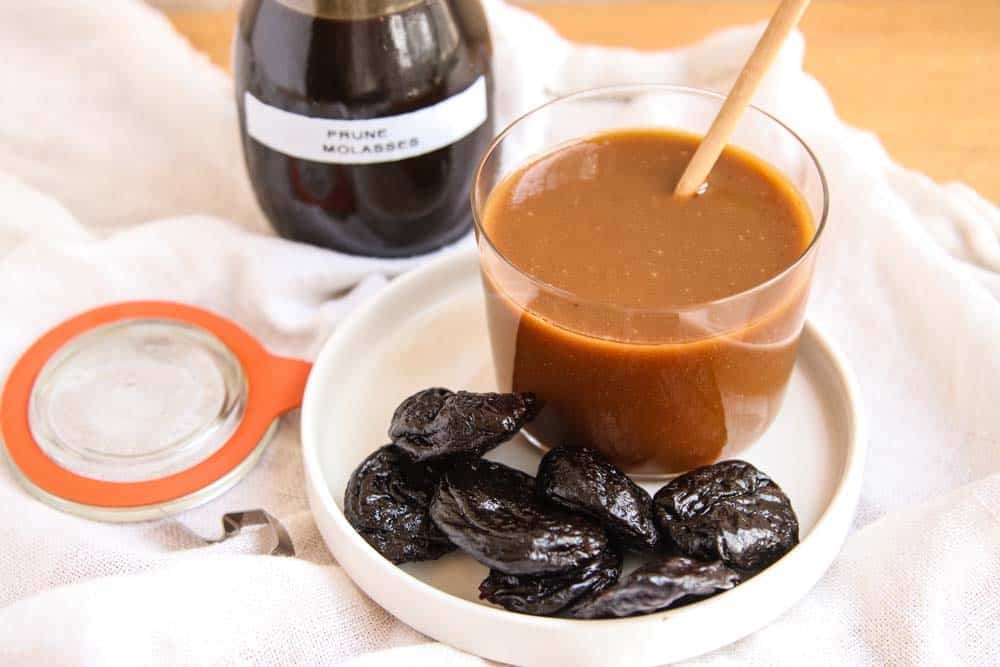
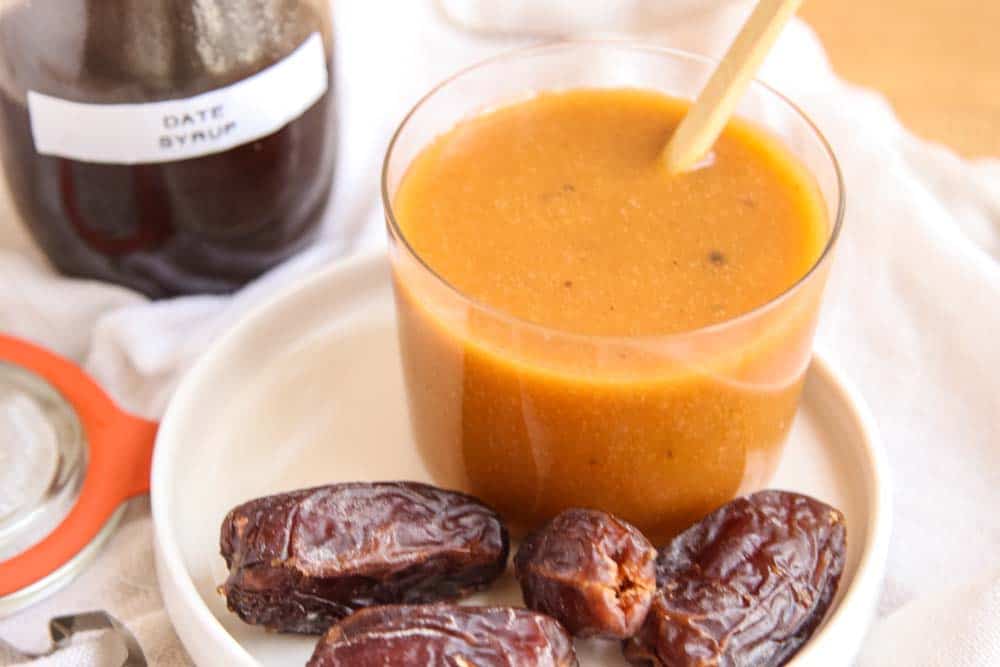
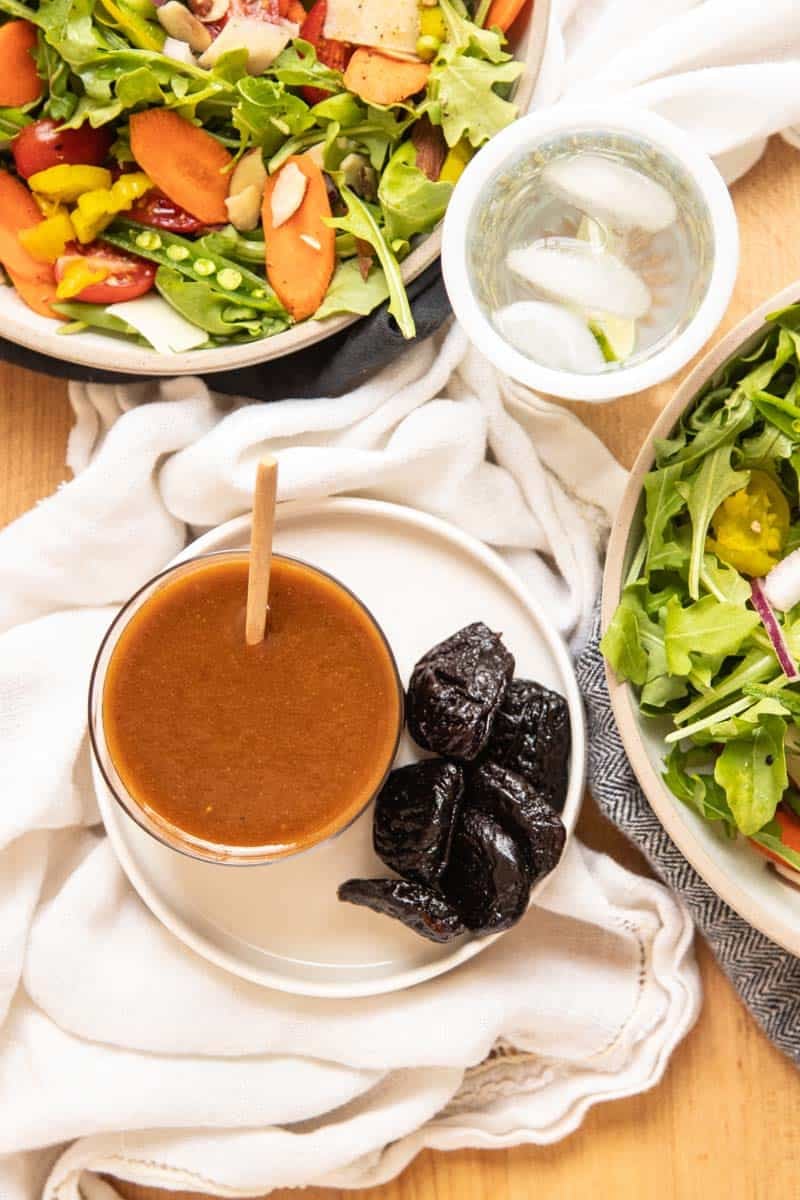
A spectacular vinaigrette comes down to balance: fat, acid, seasoning – and just enough sweetness to pull it all together. Once you understand that formula, vinaigrette stops being something you measure obsessively and begins to be something you build with confidence.
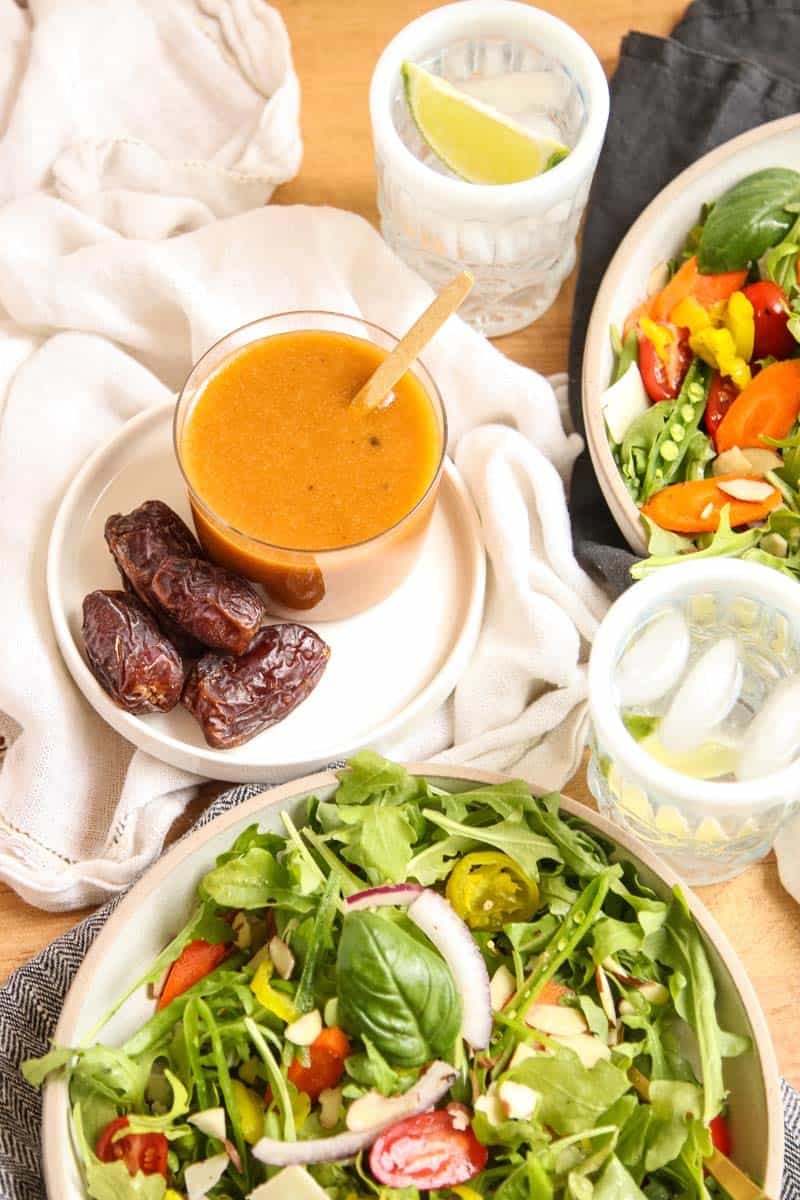
One Vinaigrette Recipe, Three Smart Options For Flavor
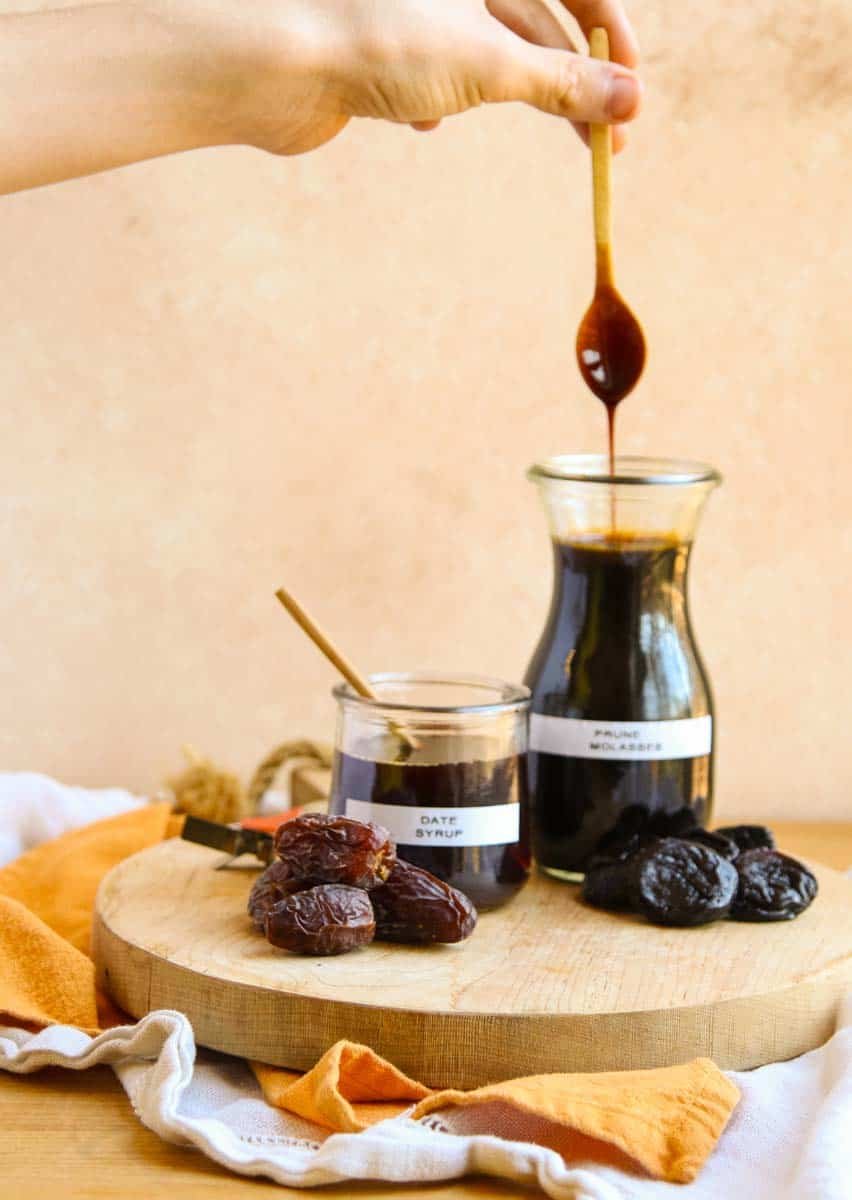
Lately, we’ve been diving into exploring how to make your own prune molasses, date syrup, and pomegranate molasses—three fruit-based sweeteners that bring way more to the table than plain sugar ever could.
This vinaigrette is the perfect place to use them because they’re swaps that don’t feel generic. Each one brings sweetness, yes—but also depth, acidity, and lots of personality.
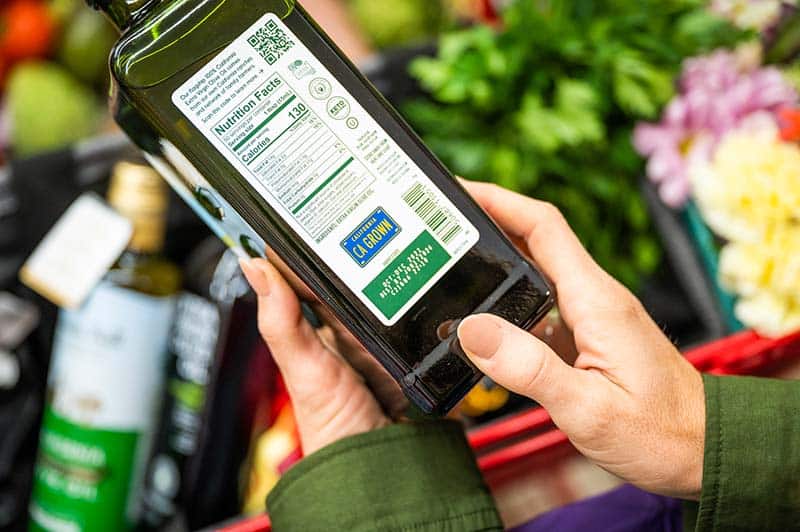
The Olive Oil Is Half the Recipe
Here’s where many vinaigrettes either shine or fall apart: the olive oil. It’s not a background ingredient—it’s half the equation.
Olives are a fruit, which means olive oil is fruit juice. When you use California extra virgin olive oil, you’re adding something fresh, expressive, and full of character, not just fat for texture.
California is home to more than 400 olive growers managing over 37,000 acres of olive trees, with more than 75 olive varieties grown across the state. That diversity shows up in flavor. Some oils are buttery and mild; others are grassy and peppery. Each kind will subtly change how a vinaigrette tastes.
A Word About California Extra Virgin Olive Oil:
Want to be sure your olive oil is fresh, the highest quality, and the real deal? Look for the COOC seal on bottles of California Extra Virgin Olive Oil to make sure you’re getting delicious 100% Extra Virgin Olive Oil. Certified California EVOO uses stricter standards than international requirements, requiring the oil to pass chemical testing and a sensory analysis by a group of experts, called an organoleptic panel evaluation.
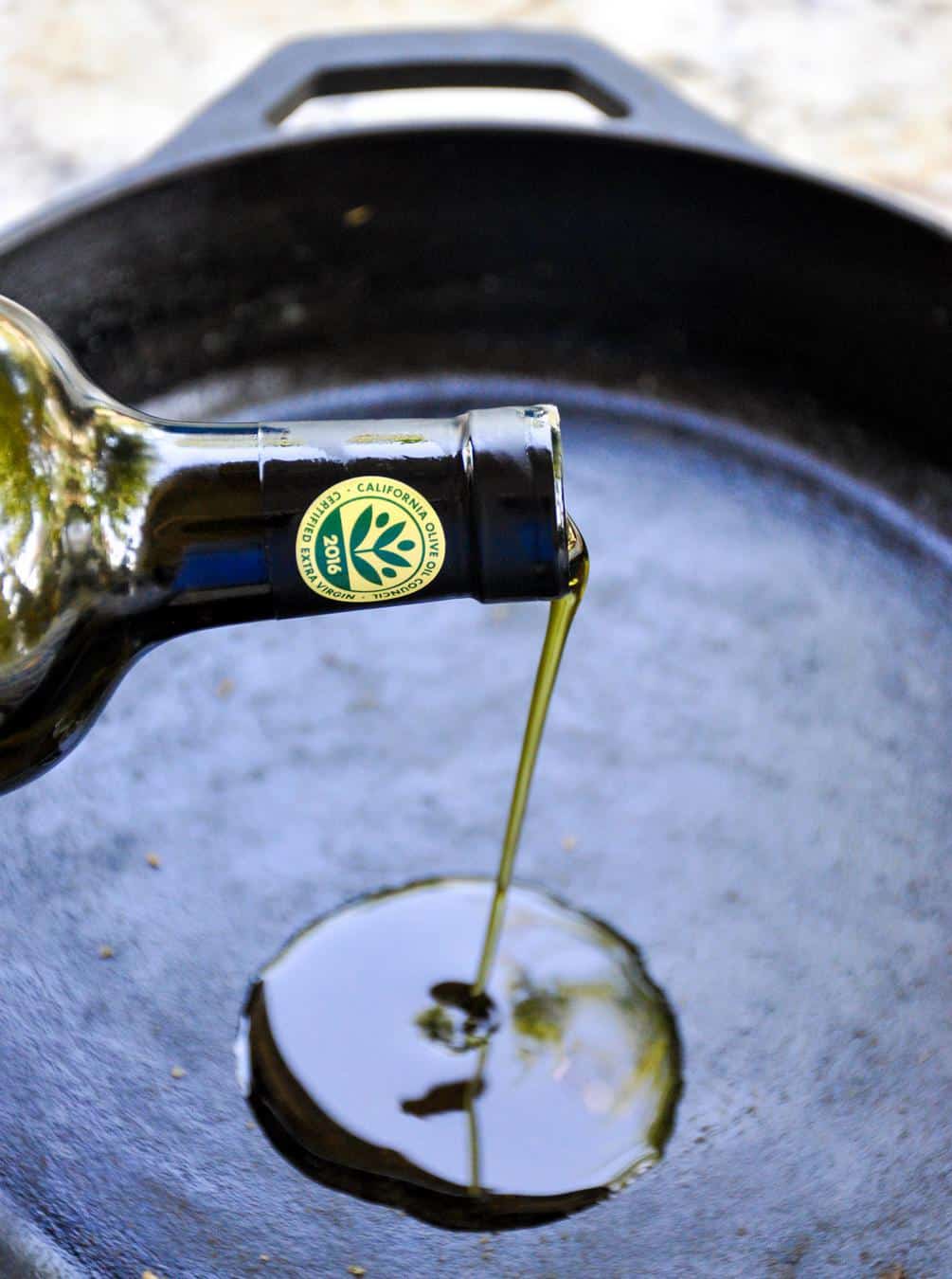
Why “Extra Virgin” Actually Matters
Extra virgin is the highest quality grade an olive oil can earn, and that distinction matters most in recipes like vinaigrette, where there’s nowhere for the oil to hide.
From a nutrition standpoint, California extra virgin olive oil fits beautifully into how many of us eat today—Mediterranean, gluten-free, plant-based, vegetarian, vegan, paleo, and more. About 82% of the fat in extra virgin olive oil is unsaturated, and those healthy fats do more than taste good. They help your body absorb nutrients from plant-based foods, which is one reason vinaigrettes are such an effective way to dress vegetables.
Extra virgin olive oil also contains natural plant compounds called phenols, which contribute to flavor and provide antioxidant and anti-inflammatory benefits. These phenols help protect the oil, preserving its integrity even under heat.
Choosing Your Flavor: Same Method, Different Mood
Once you’ve got a quality olive oil as your base, the sweetener is where you can really play with the flavor.
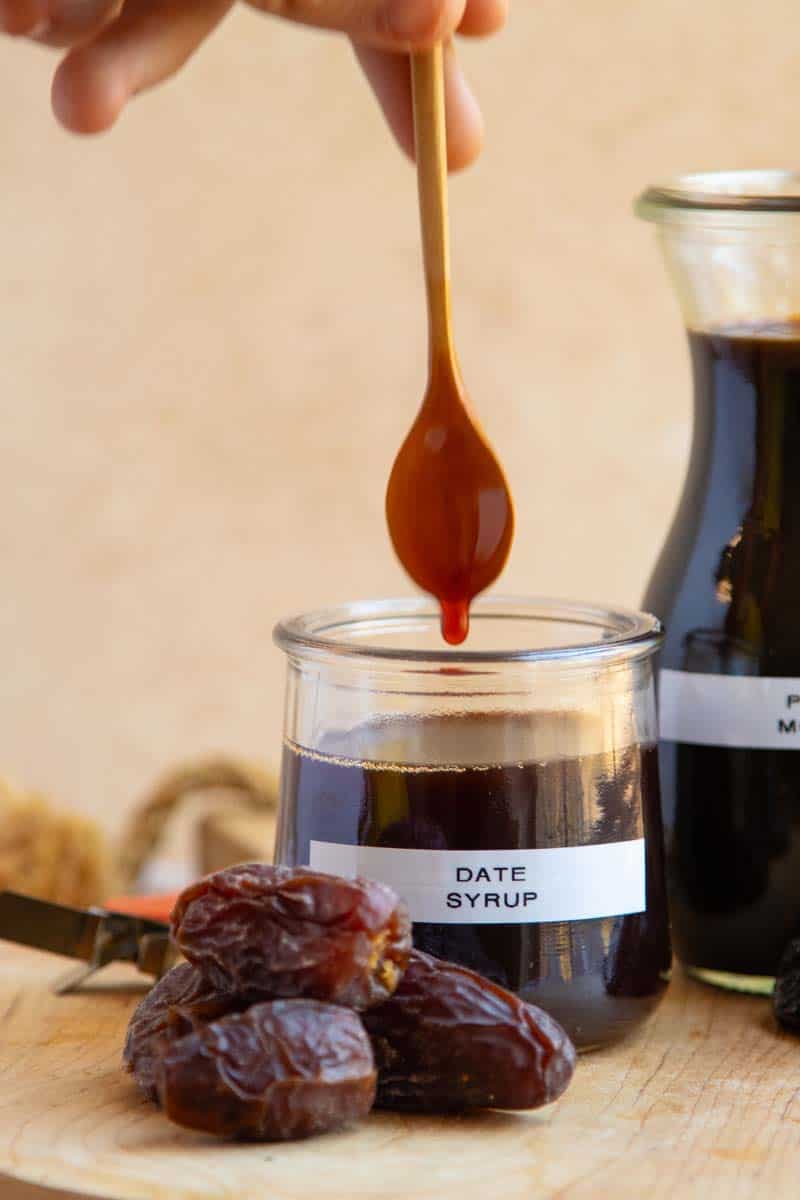
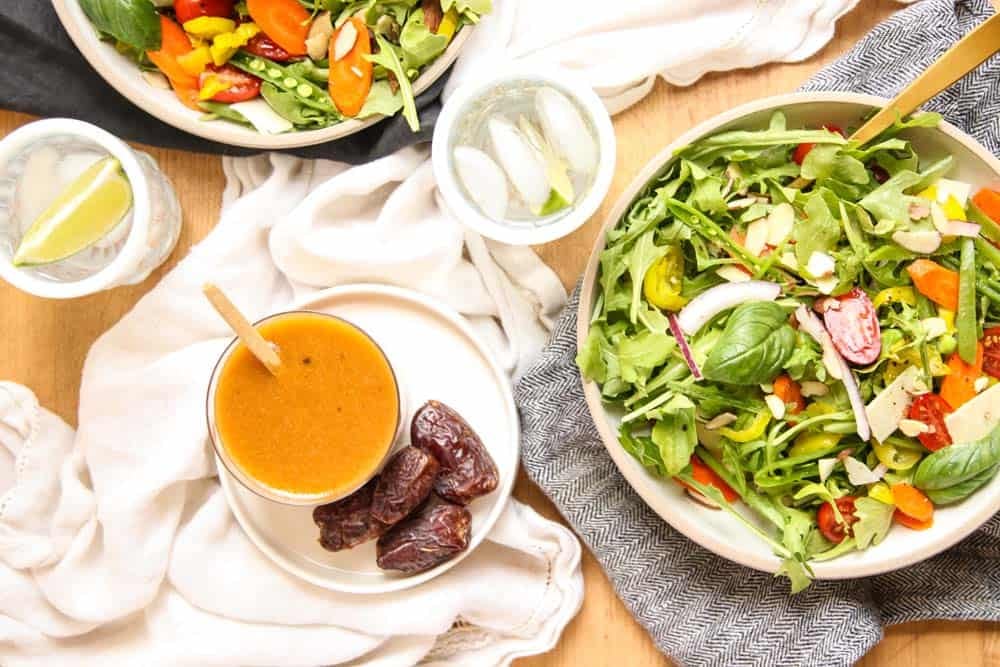
Date syrup: brings a smooth, caramel-like warmth that feels familiar and grounding.
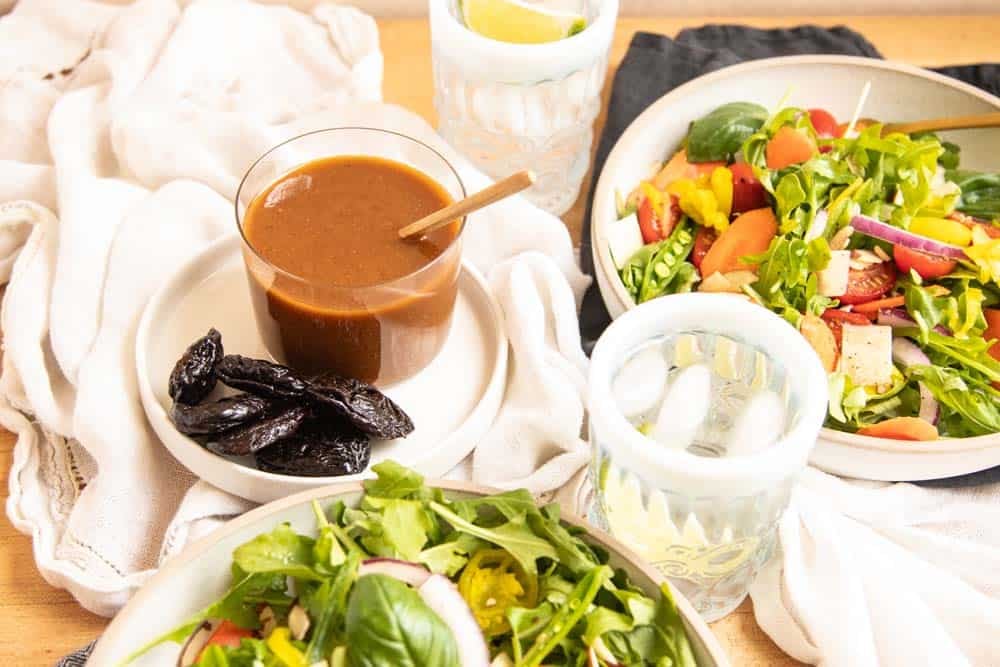
Prune molasses: adds depth and subtle earthiness. Perfect for bitter greens or roasted vegetables.
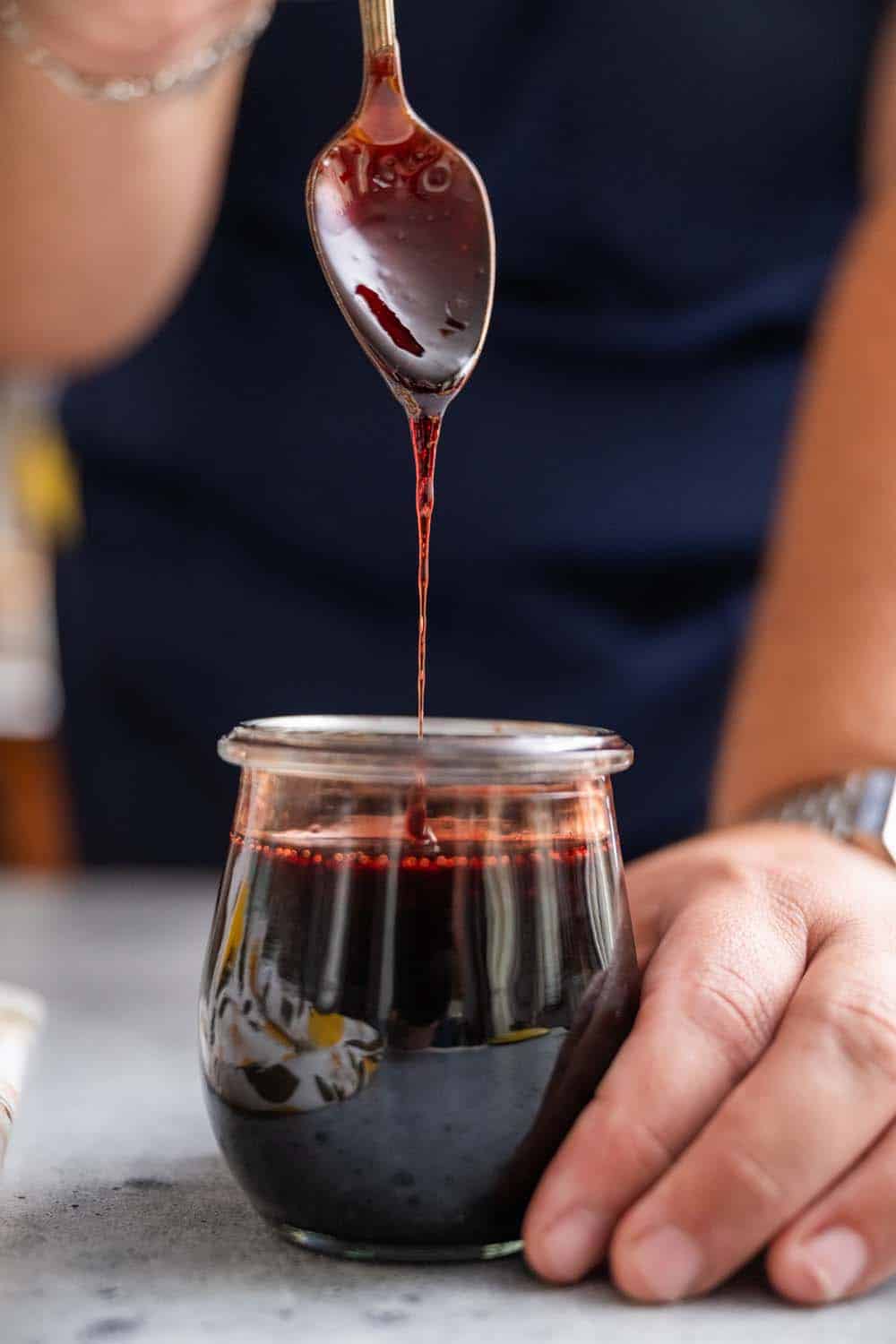
Pomegranate molasses: leans bright and tart, waking everything up and adding contrast.
Same vinaigrette formula. Three distinct personalities. No wrong choice.
Why This Is a Make-Ahead, Use-All-Week Dressing
This vinaigrette isn’t precious. It’s designed to be stored in your fridge and used daily.
Drizzle it on salads. Spoon it over roasted vegetables. Toss it with grains or lentils. Use it as a quick marinade. Because it holds up well when chilled, the flavors improve as they settle, making it even better on day two or three.
The Final Step Most People Skip: Taste and Adjust
The real secret to a great vinaigrette isn’t technique—it’s paying attention.
Your olive oil has a personality. Your vinegar does too. Taste, then tweak. A pinch more salt, a touch more sweetness, another grind of pepper – these small adjustments are what turn a good vinaigrette into your signature vinaigrette.
NEED A PLAYLIST TO LISTEN TO WHILE YOU WHISK THIS UP? CHECK OUT THIS CA GROWN SPOTIFY PLAYLIST:
Craving more delicious recipes? Check out our Pinterest for more CA GROWN recipes and ideas for innovative ways to use ingredients from the Golden State in your kitchen.
Do you have a favorite vinaigrette recipe that we should know about? Snap a pic and tag us with #CAGROWN—we’d love to see what you’re cooking up.
An Easily Customizable Vinaigrette
Ingredients
- 4 TBSP date syrup prune molasses, or pomegranate molasses
- 2 TBSP red wine vinegar
- 1 TBSP Dijon mustard
- Kosher salt and freshly ground black pepper
- ⅔ cup extra virgin olive oil
Instructions
- Whisk your choice of either date syrup, prune molasses, or pomegranate molasses with vinegar and mustard in a medium bowl; season with salt and pepper.
- Whisking constantly, gradually add oil until emulsified; adjust with salt and pepper if desired.