


CA GROWN Blog
Discover. Learn. Connect.
How to Make Whipped Honey – An Easy Recipe to Master
Meet Them Here
Read Bios »How to Make Whipped Honey – An Easy Recipe to Master
If you have never tried whipped honey, you are in for a treat. This fluffy, spreadable honey has a creamy texture that turns a simple drizzle of sweetness into something you can actually spread like butter. It is smooth, lightly airy, and perfect on everything from toast to biscuits to a beautiful charcuterie board.
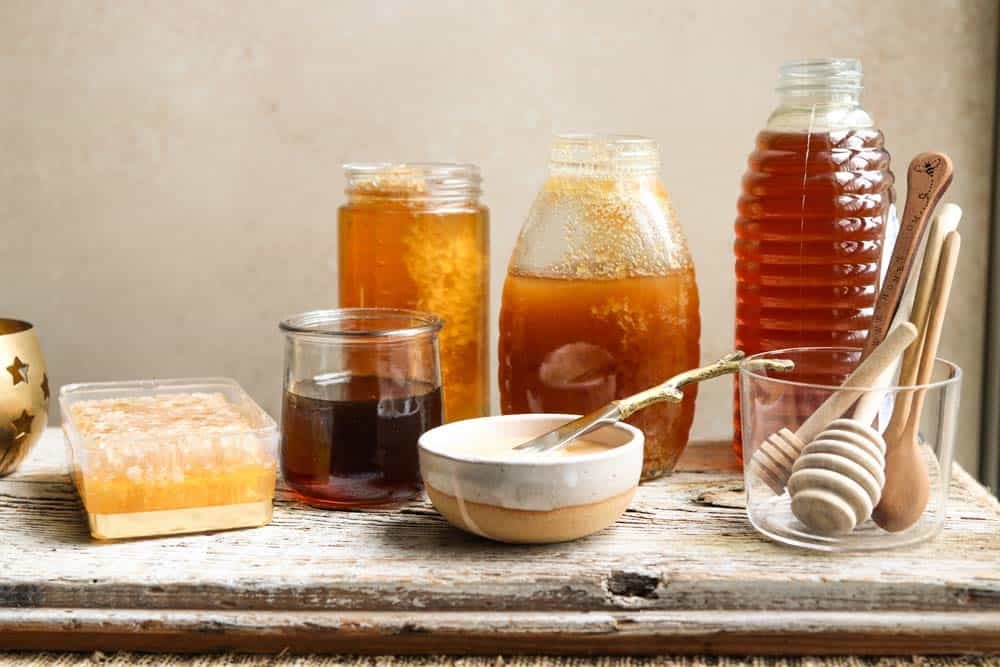
The best part is that making whipped honey at home is incredibly simple. All you need is liquid and crystallized (aka seed) honey, a mixer, and a little patience. The whipping process transforms ordinary honey into a silky, creamy spread with a luxurious consistency.
Before we jump into the method, it helps to understand why honey matters so much in California agriculture and why bees play such an important role in the food we eat every day.
California Honey: Sweet, Local, and Hard at Work
Here’s something wild to think about: most of the nation’s commercial bees come to California each spring. Why? California grows such a wide variety of fruits, nuts, and crops that depend on pollination. It’s a massive seasonal migration that helps feed the country and keeps farms thriving.
The California State Beekeepers Association supports not just commercial hives, but also home beekeepers and native pollinators. Their work helps protect the bees that make agriculture possible and, of course, produce the delicious honey we enjoy every day.
Whether you drizzle it, bake with it, or stir it into tea, California honey brings natural sweetness straight to your table from hardworking pollinators.

Honey and Bees: Tiny Workers with a Huge Role
Bees pollinate many of the fruits, nuts, and vegetables grown in the Golden State. Almond orchards, berry fields, melon crops, and countless other plants rely on pollinators to produce food. Without bees moving pollen from flower to flower, many crops simply would not exist.
California also produces a wide range of honey varieties. Wildflower honey, citrus blossom honey, and other regional varieties reflect the plants bees visit throughout the state. Each one has its own flavor, color, and aroma.
That variety is part of what makes honey recipes so interesting. Some honeys are light and floral. Others are rich and bold. Even darker honeys can develop deep caramel-like notes that shine when used in spreads or baked goods.
What Is Whipped Honey?
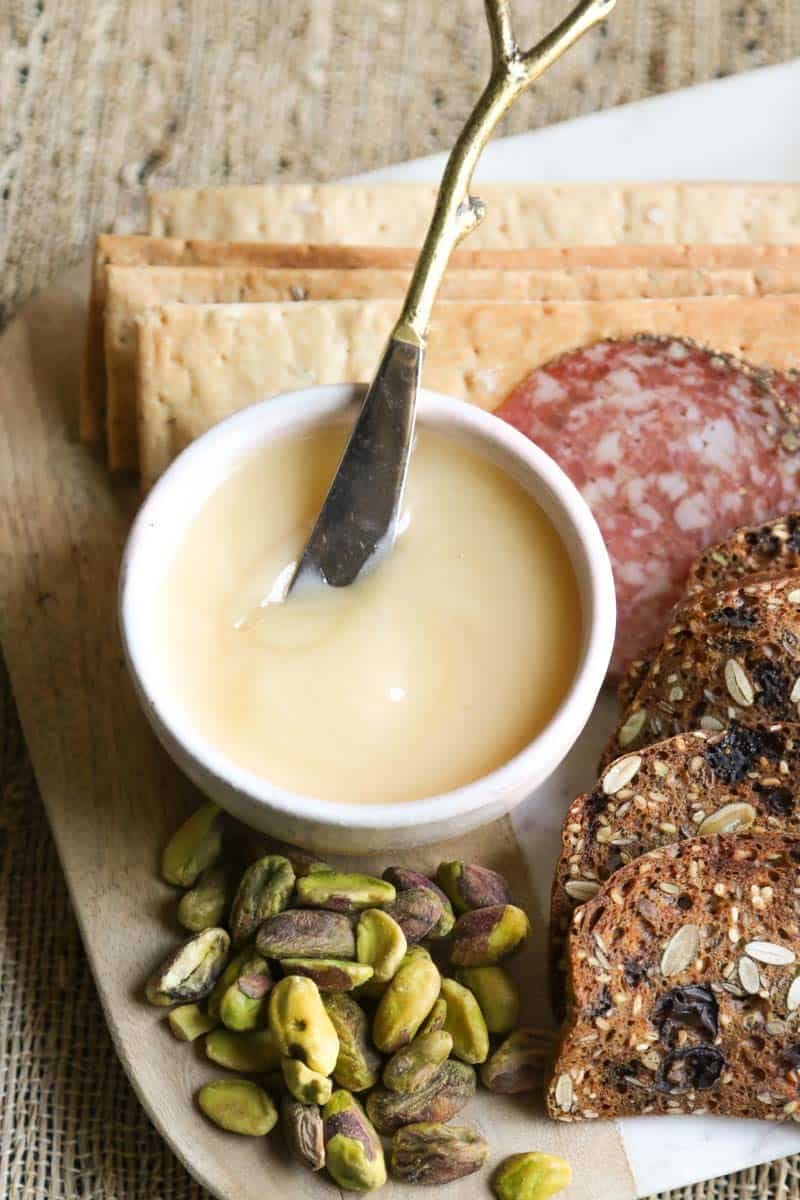
At its core, whipped honey is simply honey that has been aerated through a gentle mixing process. The result is a creamy consistency that is thicker and more spreadable than liquid honey.
This style of honey is sometimes called creamed honey, spun honey, or whipped honey. The goal is the same. You take a small amount of seed honey that has already started to crystallize and whip it with liquid raw honey until it creates a smooth, spreadable texture that is easy to scoop or spread.
Instead of dripping off a spoon like liquid honey, whipped honey behaves more like a soft frosting or nut butter. It holds its shape and spreads easily across toast or crackers.
What Is Seed Honey?
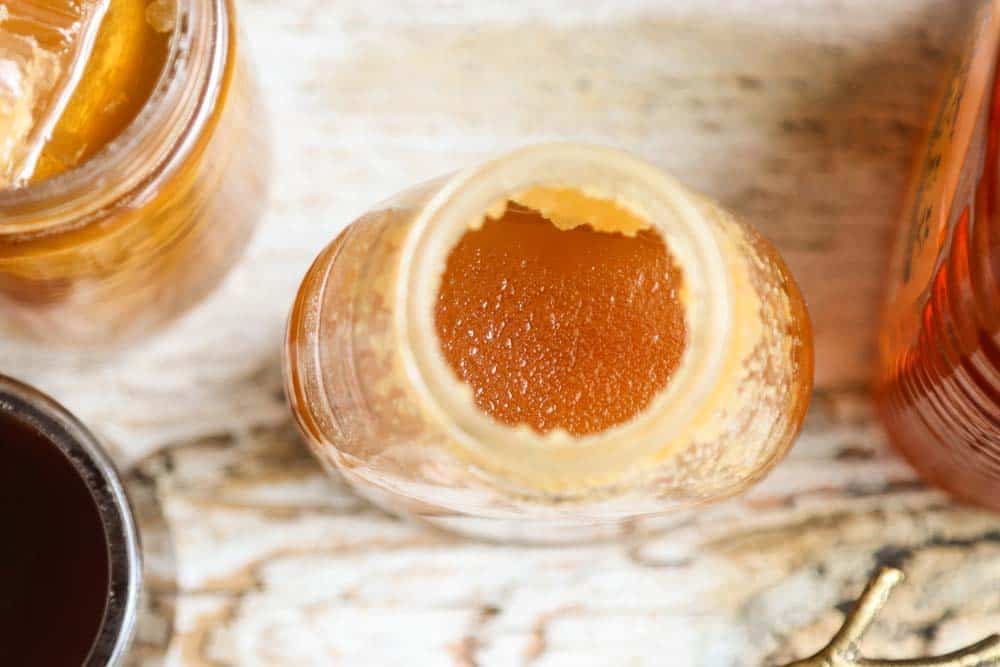
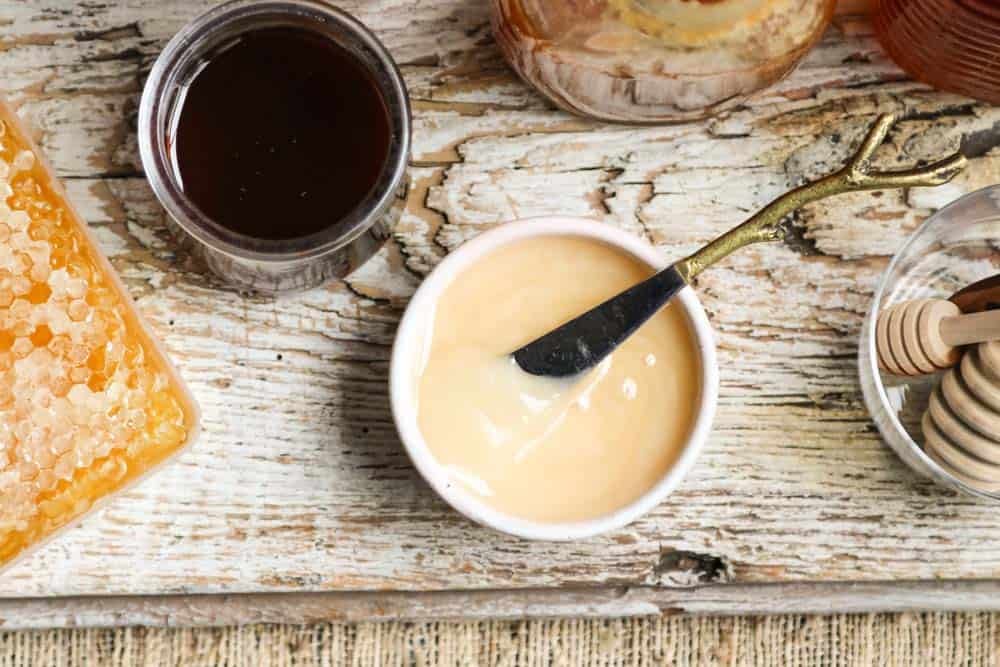
Seed honey is finely crystallized honey that helps guide the texture of whipped or creamed honey. A small amount is mixed into liquid honey at the beginning of the process to encourage the formation of tiny, uniform crystals. These small crystals help the honey develop a smooth, spreadable consistency instead of forming large, gritty crystals.
Think of seed honey a bit like a sourdough starter. Just as a starter helps guide the fermentation and structure of sourdough bread, seed honey acts as a starter that guides how the honey crystallizes. It encourages the honey to form very small crystals instead of large ones.
In most recipes, seed honey makes up about 5 to 10 percent of the total honey mixture. This small amount helps create the silky whipped consistency that makes whipped honey so delightful.
Tips for Perfect Whipped Honey Every Time
Making whipped honey is simple, but a few small details make a big difference in the final spreadable honey texture.
Start with good honey.
High-quality raw honey almost always produces the best flavor and the smoothest creamy spread. Local varieties like wildflower honey work beautifully because they already contain natural crystals that help guide the whipping process.
Use seed honey to control the texture.
Adding a spoonful of crystallized honey or store-bought creamed honey helps create that stable, spreadable consistency. Those tiny crystals act as a template, encouraging the rest of the honey to crystallize evenly during the whipping process.
Be patient with the mixer.
The transformation does not happen instantly. Let the honey whip in the bowl of a stand mixer using the whisk attachment for at least 15 minutes before checking the texture. If crystals are still noticeable, keep mixing. The goal is a silky-smooth texture with a light, whipped consistency. Depending on how much seed honey you started with, you may need to whip the mixture for 40-50 minutes to reach a perfectly smooth, spreadable consistency.
Temperature matters.
Honey whips best when it is at room temperature. If the honey is too cold, it will be difficult to whip. If it is too warm, the honey may stay runny and not develop that fluffy, spreadable texture.
Choose your honey style.
Lighter honeys often produce a delicate flavor, while darker honeys can create a richer, deeper tasting creamy consistency. Both work well, so experiment with different jars of honey to find your favorite way to enjoy it.
How Long Will Honey Stay Whipped?
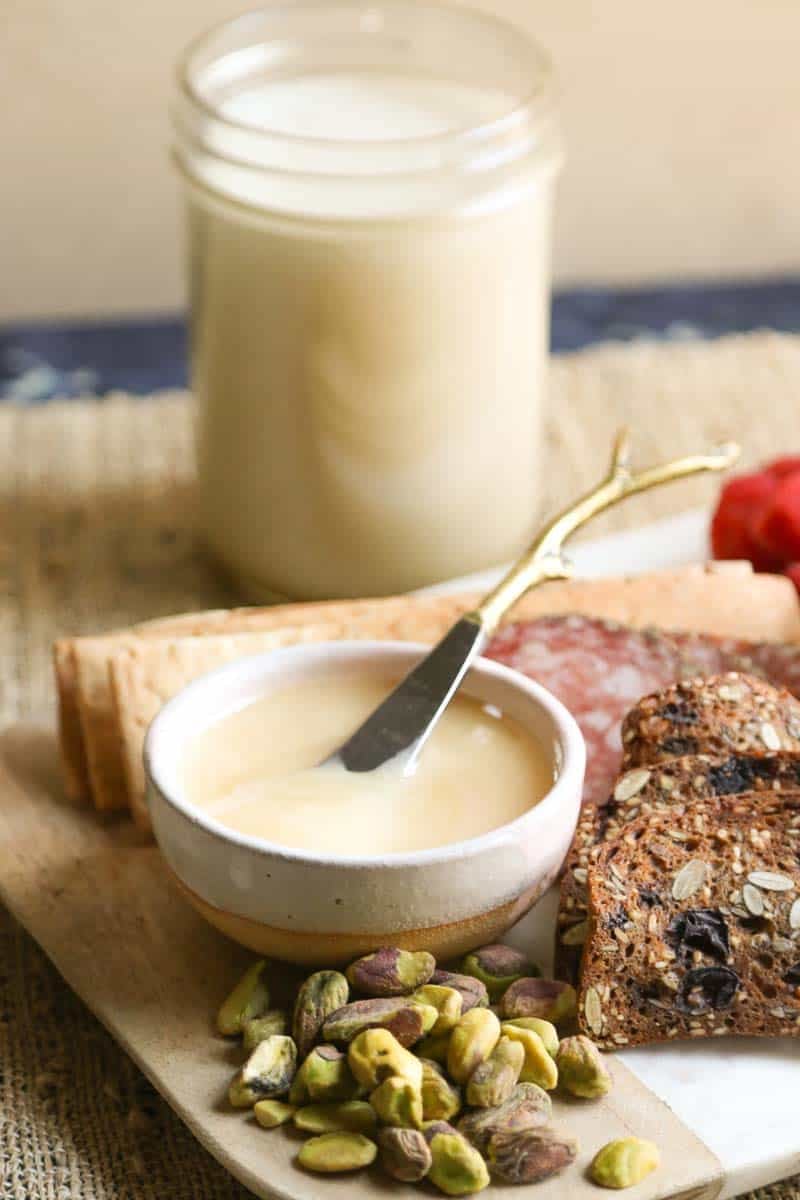
One of the best things about whipped honey is that it is naturally shelf-stable.
Because honey has very low moisture content and natural antimicrobial properties, it keeps extremely well. Once whipped, the honey will typically maintain its fluffy, spreadable texture for weeks or even months. Over time, the honey may continue to crystallize slightly. If that happens, you can simply whip it again to restore the lighter texture. The key is to start with high-quality honey and store it properly.
How to Store Whipped Honey
Storing whipped honey is easy.
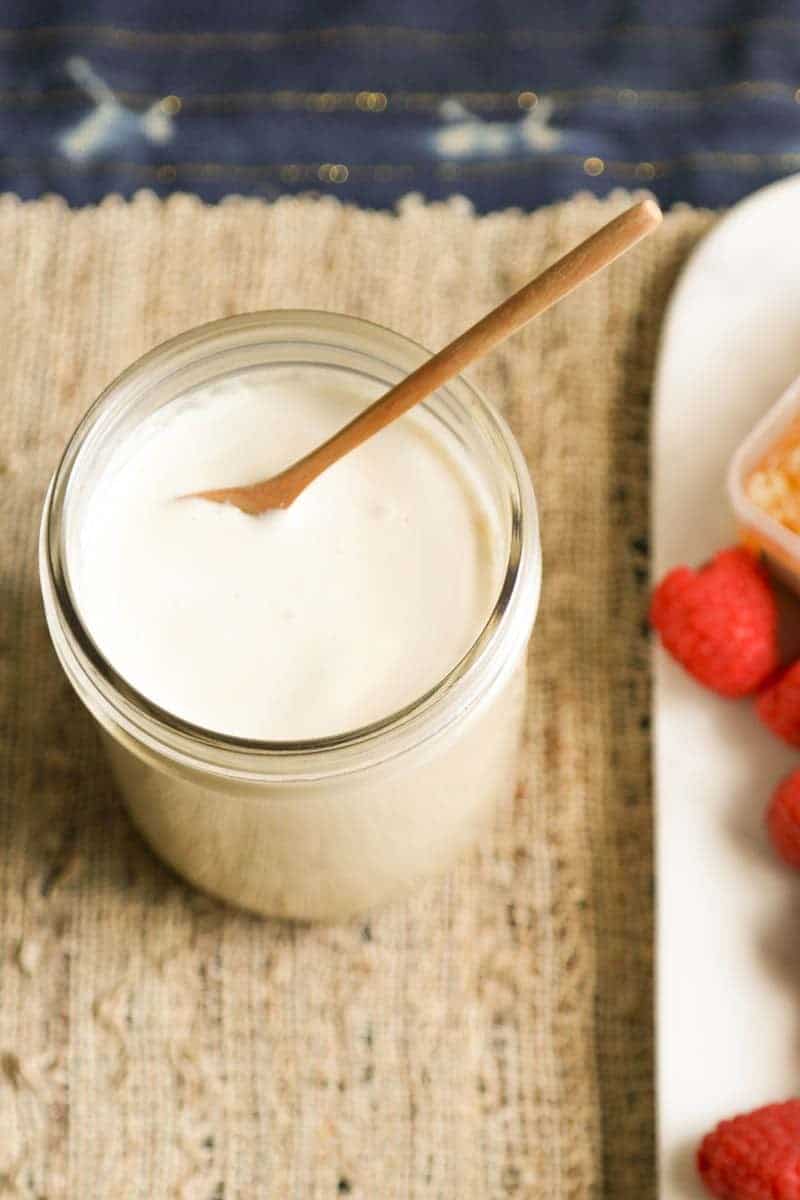
Keep the honey in sealed jars at room temperature and away from direct sunlight. There is no need to refrigerate it. Cold temperatures can cause honey to harden and lose its creamy texture. A pantry or kitchen cabinet works perfectly.
If you plan to use a lot of honey throughout the week, keep a small jar on the counter for easy access and store extra jars in the pantry.
Delicious Ways to Use Whipped Honey
Once you make whipped honey, it quickly becomes one of those ingredients you reach for constantly.
Spread it over warm sourdough toast. Swirl it into yogurt. Spoon it over roasted fruit. Add a dollop to oatmeal or pancakes.
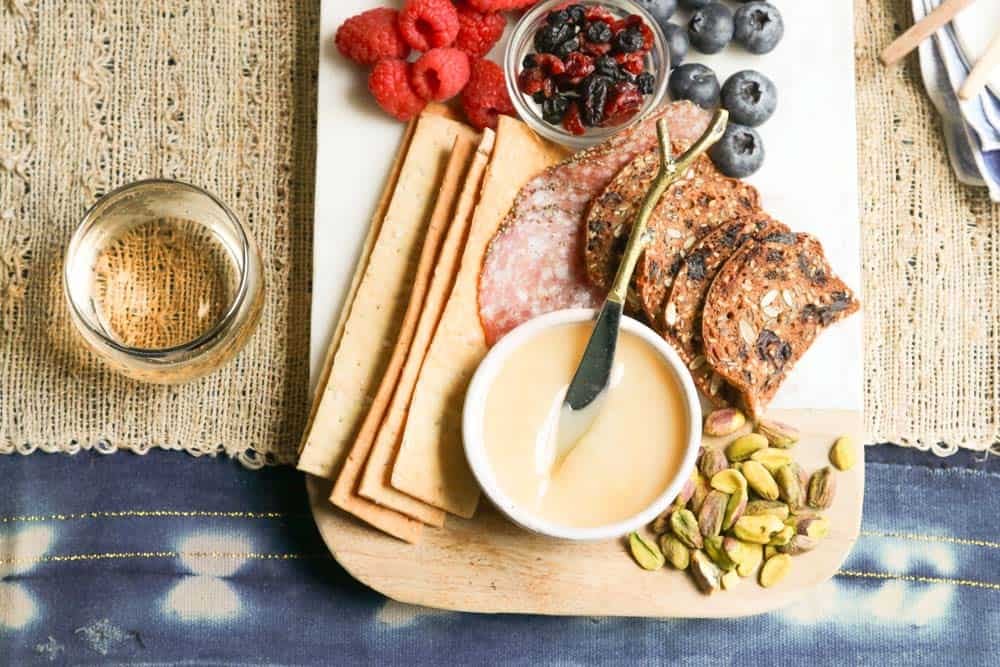
It also shines on a charcuterie board alongside cheeses, nuts, and fresh fruit. The spreadable consistency makes it perfect for pairing with crackers and creamy cheeses.
You can even stir a little whipped honey into vinaigrettes or use it as a finishing touch on roasted vegetables.
Simple ingredients often deliver the biggest flavor, and honey is a perfect example. With just a mixer and a little patience, you can transform everyday honey into a silky, creamy spread that elevates almost any dish.
Once you try whipped honey, chances are it will become a staple in your kitchen and one of your favorite honey recipes to share.
NEED A PLAYLIST TO LISTEN TO WHILE YOU WHIP UP SOME MAGIC? CHECK OUT THIS CA GROWN SPOTIFY PLAYLIST:
Craving more delicious honey-inspired recipes? Check out our Pinterest for more CA GROWN recipes and ideas for innovative ways to use ingredients from the Golden State in your kitchen.
Do you have a favorite way to use whipped honey that we should know about? Snap a pic and tag us with #CAGROWN—we’d love to see what you’re cooking

Whipped Honey
Ingredients
- 3 TBSP crystallized honey or store-bought creamed honey
- 2 cups liquid raw honey
Instructions
- Add the crystallized honey and liquid honey to the bowl of a stand mixer fitted with the whisk attachment.
- Whip the honey on medium speed for about 15 minutes. Stop and scrape down the sides of the bowl.
- Rub a small amount of the honey between your fingers to check the texture. If large sugar crystals remain, continue mixing for another 15 minutes. Continue this process of whisking and testing until the whipped honey is completely smooth.
- Once the honey develops a smooth, creamy texture, transfer it to an airtight container. The honey will heat up as the mixer whisks, especially with longer whisking times. Allow time for the whipped honey to cool for it to set up completely.
- Store the whipped honey in a cool, dark place at room temperature.