

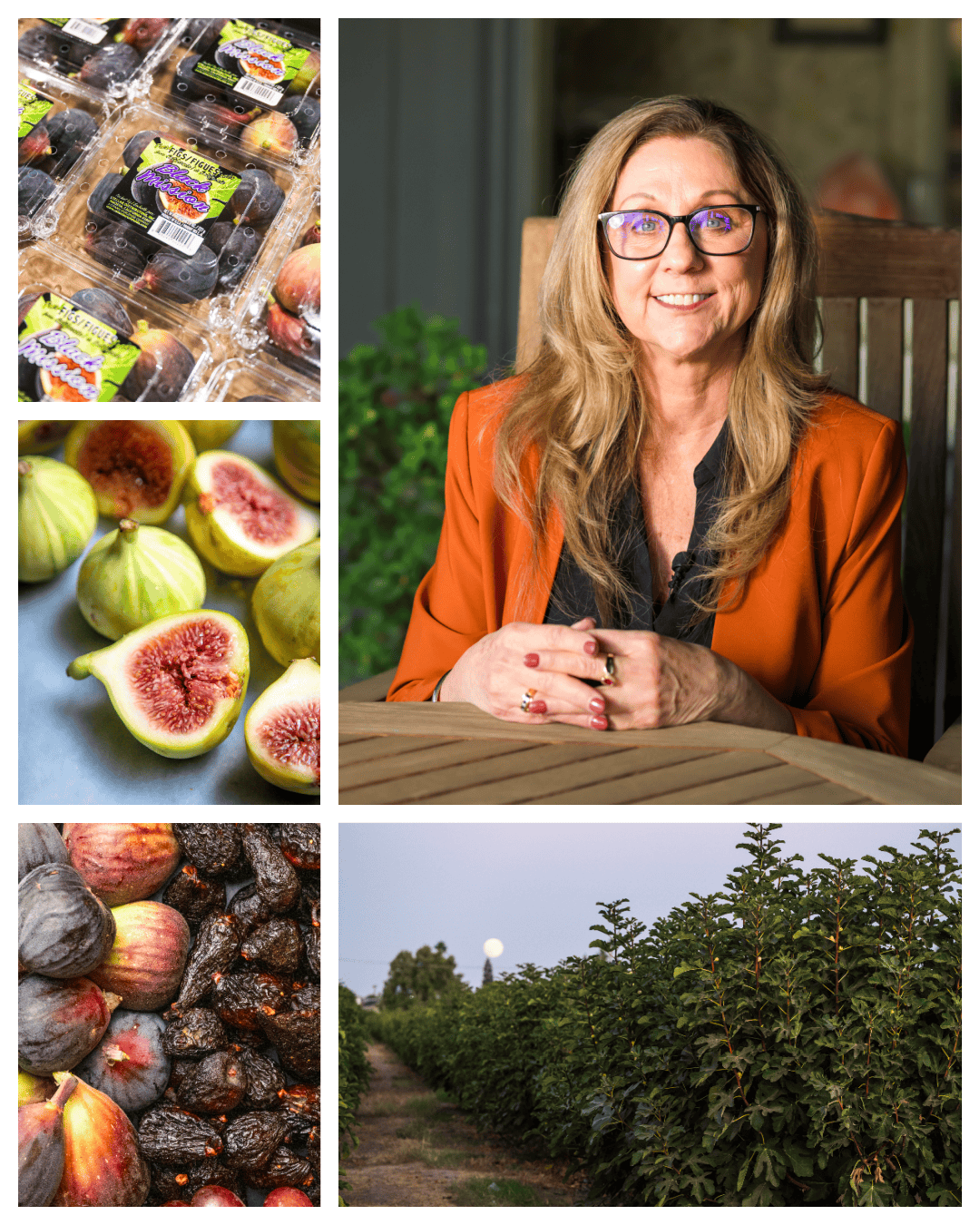
How the Fig Advisory Board Impacts California Agriculture
What is a commodity board, and why are they such an important asset to California growers, producers and even consumers? We met with Karla Stockli, CEO of the California Fig Advisory Board, to learn more.
California grows over 400 different fruits, vegetables and nuts – which folks in agriculture often refer to as “commodities”. Many of these commodities have a representative board that communicates with growers and pursues commodity-specific interests – such as research, marketing or governmental advocacy. We met with Karla Stockli, CEO of the California Fig Advisory Board, to learn more about why commodity boards are a crucial part of California’s agricultural industry.
The California Fig Advisory Board
California is responsible for the vast majority of domestically grown figs. Our growers produce 100% of all US dried figs, as well as 98% of fresh figs. The California Fig Advisory Board represents the fig industry as a whole. Karla explains, “We communicate a consistent message to both consumers and trade. It’s quality assurance – celebrating the farming practices that ensure the high-quality fruit that they’re able to enjoy. We also do regulatory work, marketing and research to support the efforts of the farmers.
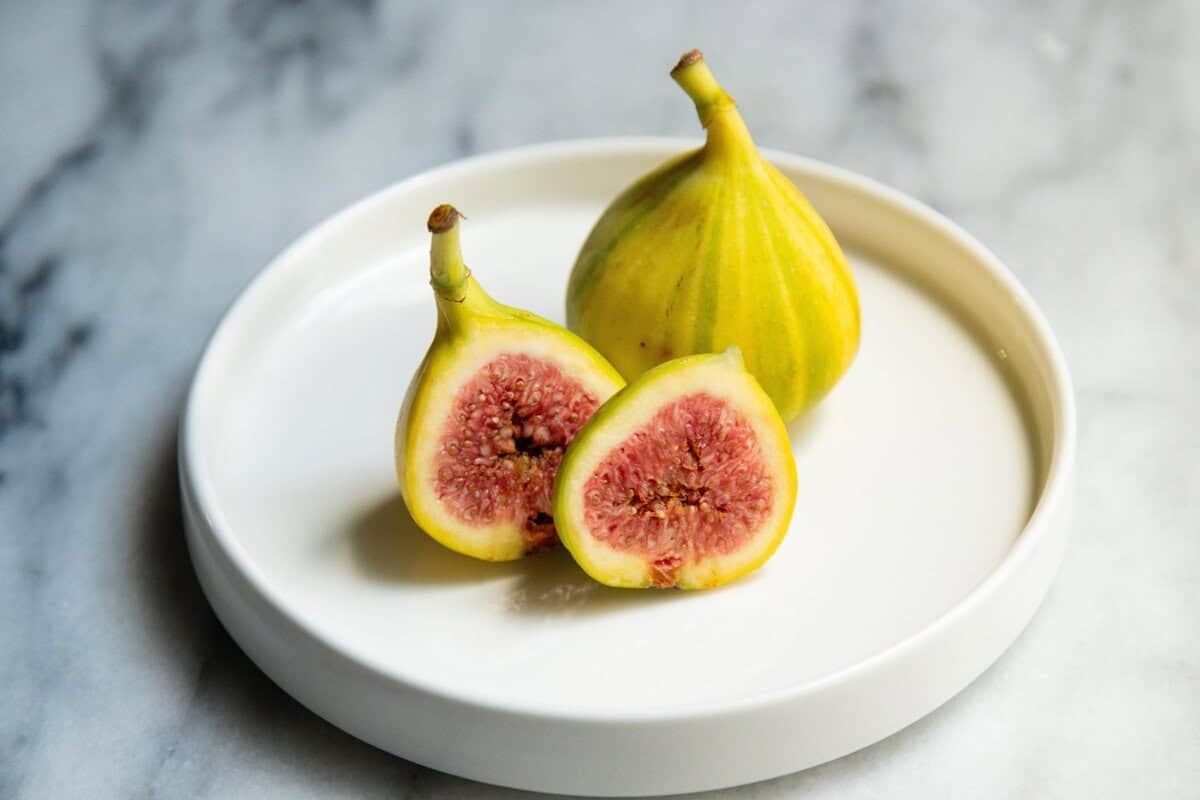
While the majority of California figs are enjoyed domestically, a small percentage are exported. The California Fig Advisory Board works to identify new opportunities and to expand existing international markets. Karla says, “We’re always working together strategically so that we can provide a sustainable future for those growers. We market to consumers and trade. We talk about nutrition and about the grower cultural practices – their dedication to farming and the nutritional soil content that we have here in California.”
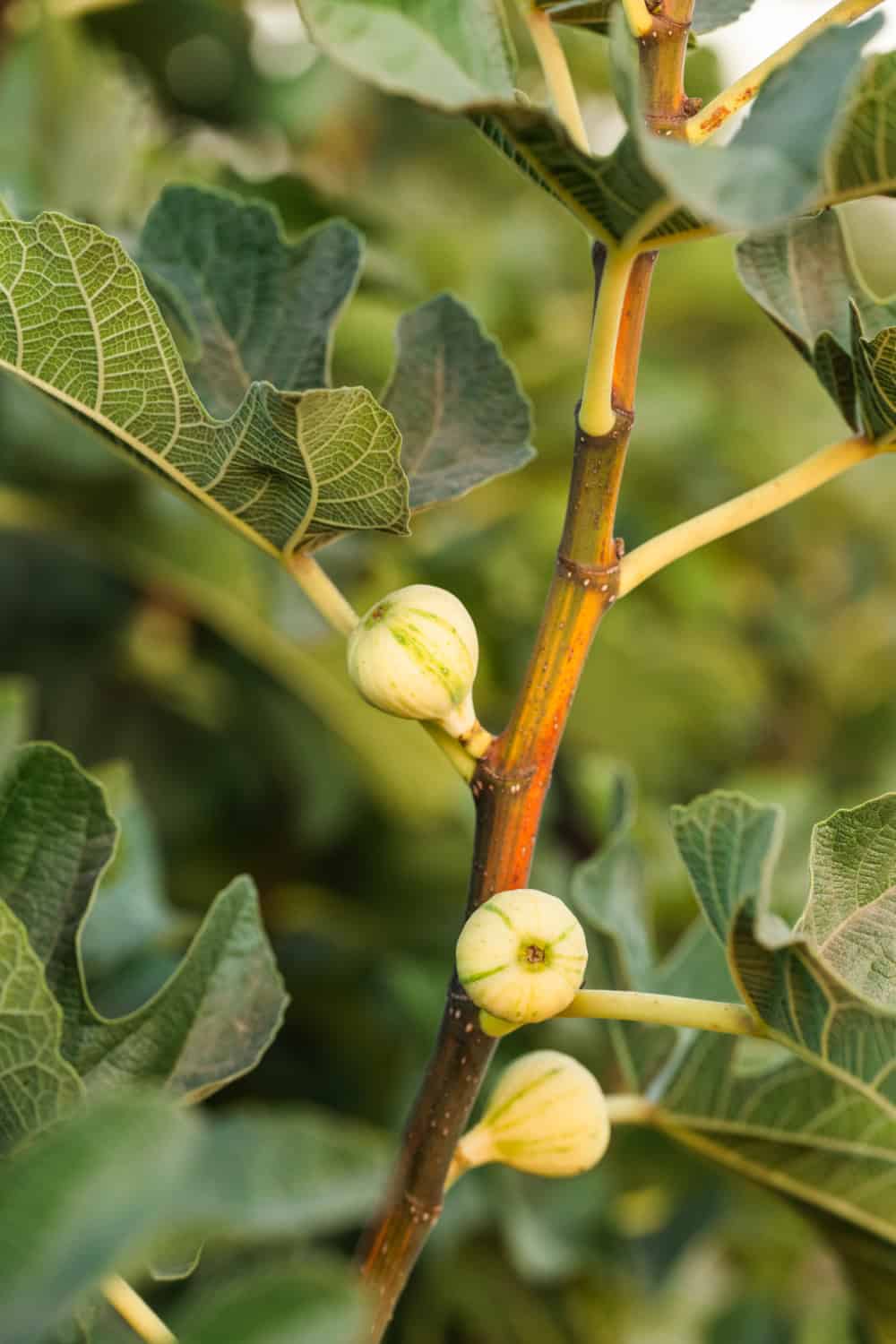
There are no wasps in your figs…
Tell a friend to tell a friend: There are NO wasps in your figs. At least that’s the case if they were grown in California. As of 2025, all commercially grown California figs are self-pollinating. Karla adds, “If you seek out California Grown fresh or dried figs, you are going to get a fig that is self-pollinating, which means there are no wasps. It’s vegan. So, if you’re vegan, you are able to enjoy figs from California every single day.”
Women in Agriculture Spotlight: Karla Stockli
When asked why she chose to pursue a career in agriculture, Karla grinned and quipped, “It’s in my DNA.” Growing up in a Madera farm family, Karla learned the importance of commitment and hard work at a young age. Throughout high school, she participated in 4-H and Future Farmers of American, often referred to as FFA. She is proud to be Madera’s first female recipient of the FFA’s prestigious American Farmer Degree.

After graduating with degrees in dairy science and agricultural management from Cal Poly San Luis Obispo, Karla worked with growers and producers across the US before landing at the California Fig Advisory Board, where she’s honored to have served as CEO for almost 20 years.
This year, 2026, is the International Year of the Woman Farmer, and Karla is proud to be among the thousands of women in leadership roles across the industry. She states, “Highlighting women in agriculture is so incredibly important. It’s about time that they’re getting the recognition for the hard work that they’ve been doing. Women are business leaders. They run ag boards. They’re innovative. Women deliver value in leadership roles and are essential to the long-term sustainability of food and agriculture in the United States. We have collectively raised the bar for generations to come, and together we can do so much more. I look forward to many years of that.”
Why is California’s Role in Food Production so Important
California truly feeds the world. We are proud to be the most productive agricultural state in the US and the fourth largest agricultural producer in the world. Karla states, “California’s role in food production is so important – I have firsthand knowledge because I grew up here. It’s the nutrient-dense soil, it’s this ideal climate that we have. As the former chair of California Grown, I worked with our executive director to promote the bounty of California. And there are over 400 specialty crops grown in California, and over 50% of the produce in the United States comes from California – but what makes it so special are the farmers, the multi-generational farmers, the farmworkers that are dedicated to the tillage of the soil, basically to provide fruit and vegetables to ship around the world.”
Karla smiles and adds, “They’re the hardest-working people that I know. It is their dedication and commitment that make it so special – and why California Grown is so important to seek out.”
“The ag community is the best club to be part of. It’s a community that celebrates agriculture, the farm, the tillage of the soil and the bounty that we deliver. And I am so privileged to be part of that community and that club.” – Karla Stockli, CEO, California Fig Advisory Board
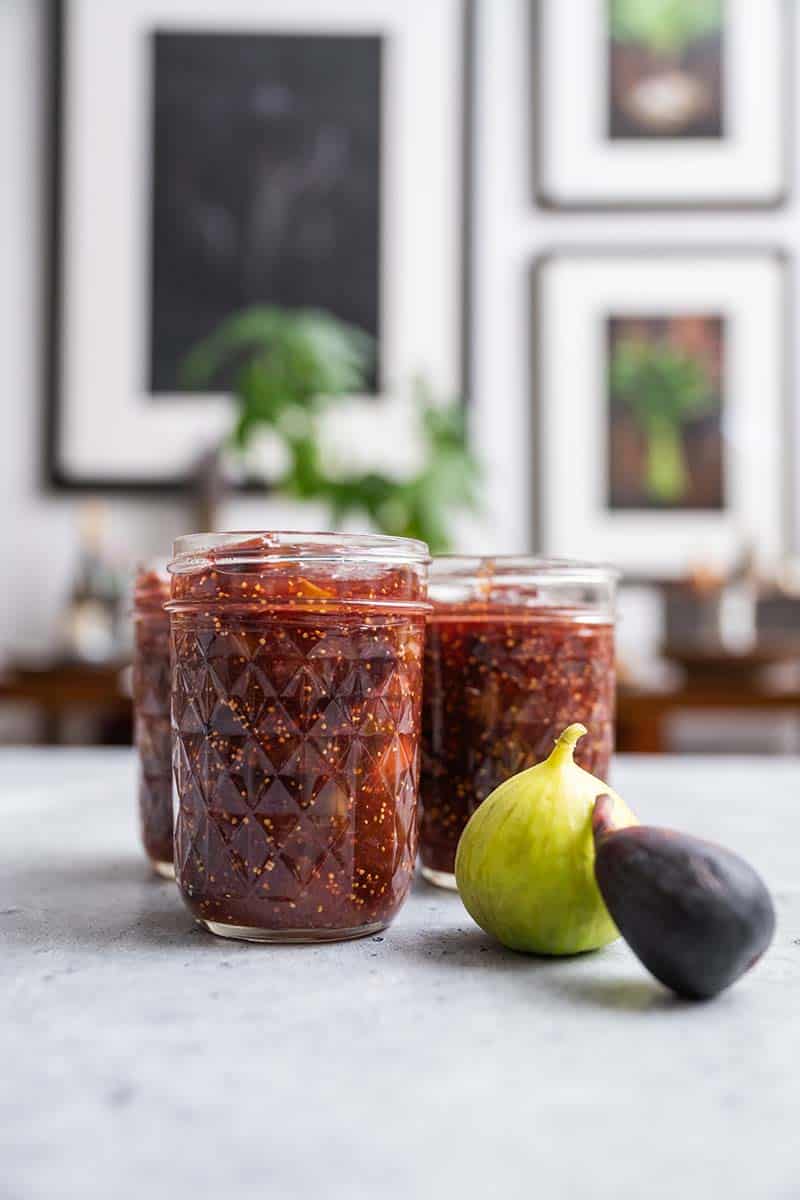
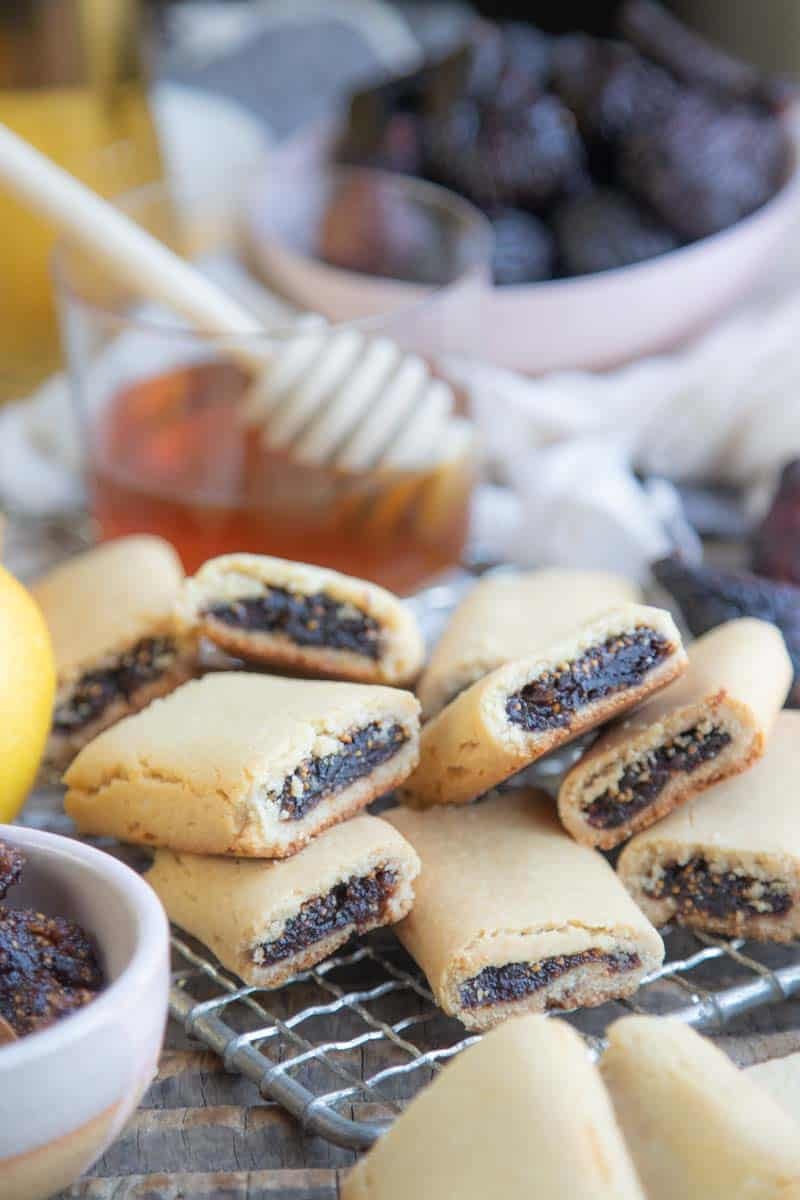
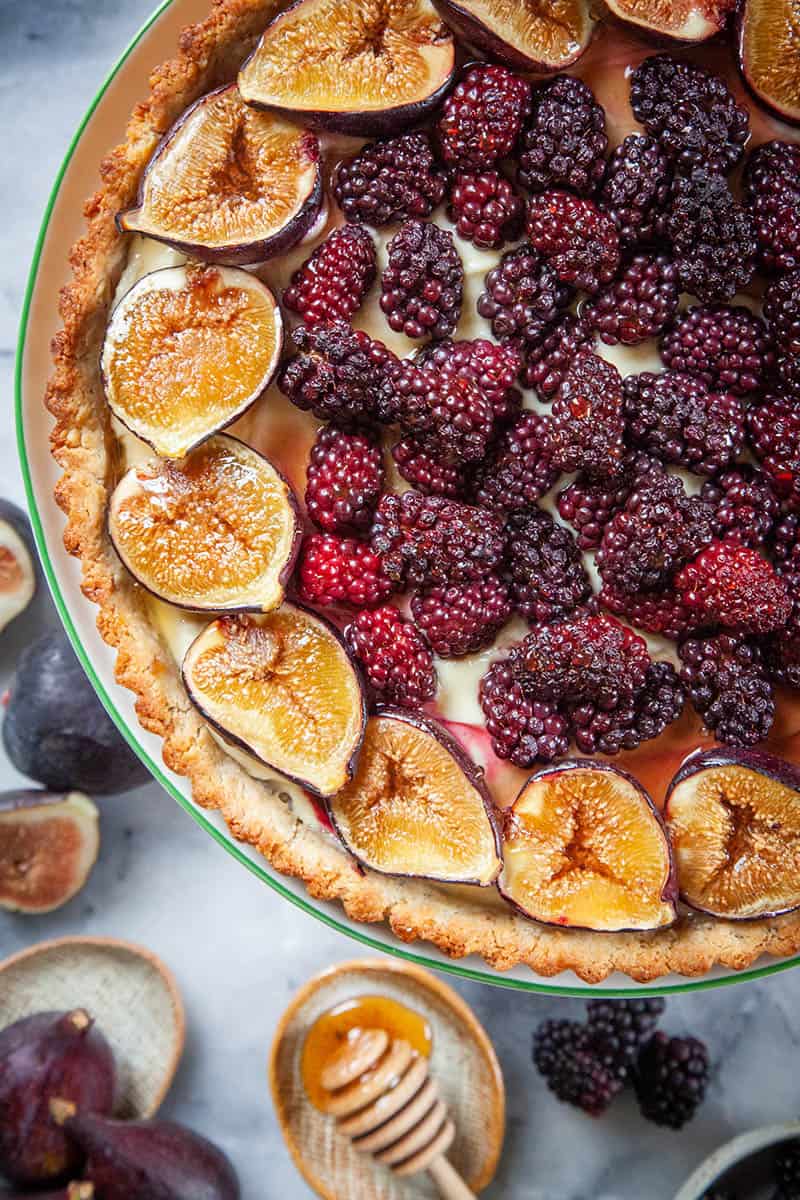
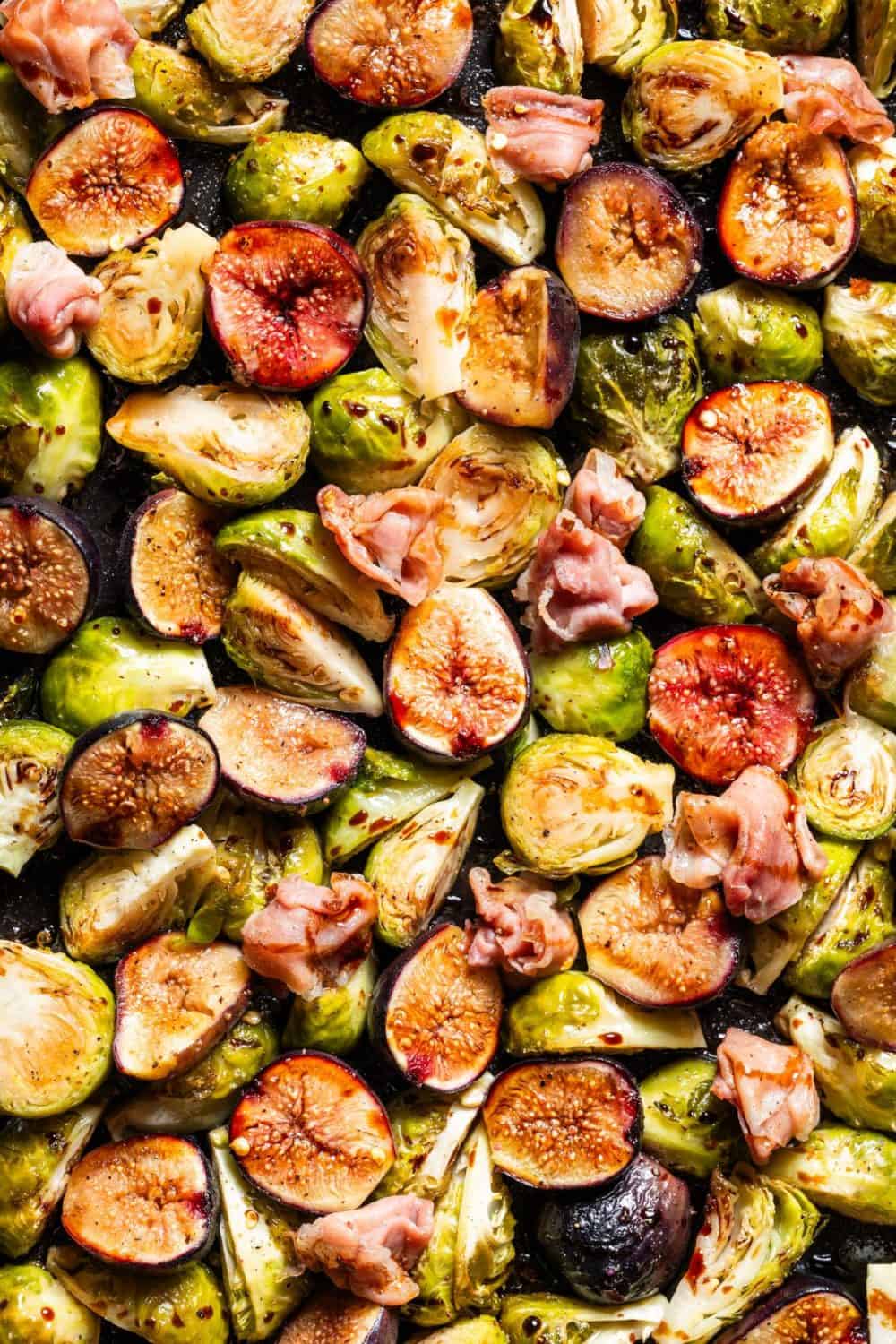
Want to learn more about how California figs are grown? Or maybe you just want to head straight to a few of our favorite recipes? We’ve got you covered…

Article by Hilary Rance. Photography by James Collier and Hilary Rance.