
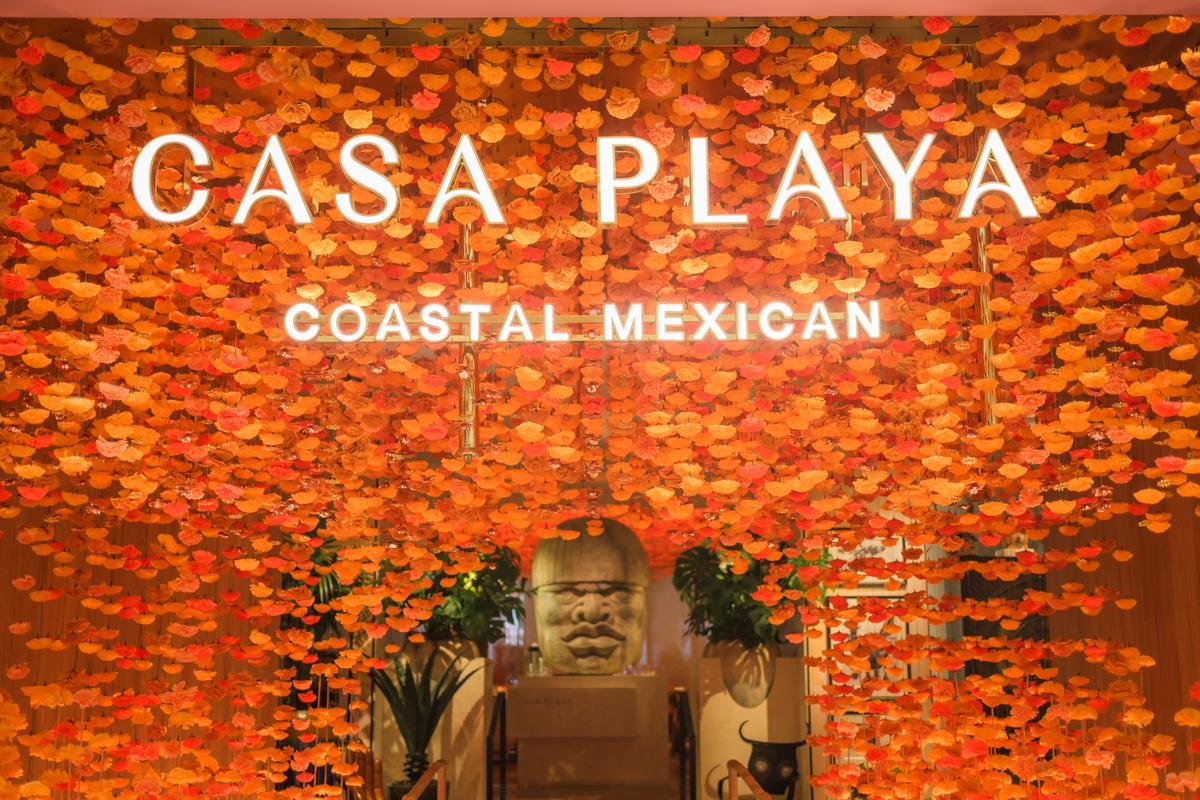
Chef Sarah Thompson Brings California’s Harvest to Vegas
For Sarah Thompson, executive chef of Casa Playa at Wynn Las Vegas, the challenge is to make every ingredient—especially the fruits and vegetables sourced from California—feel as considered as the lobster, steak and king crab for which the city is known. In a city like Las Vegas, where everything operates at a larger scale, where dining rooms serve hundreds of guests in a night and luxury ingredients arrive by the case, this is no small feat.
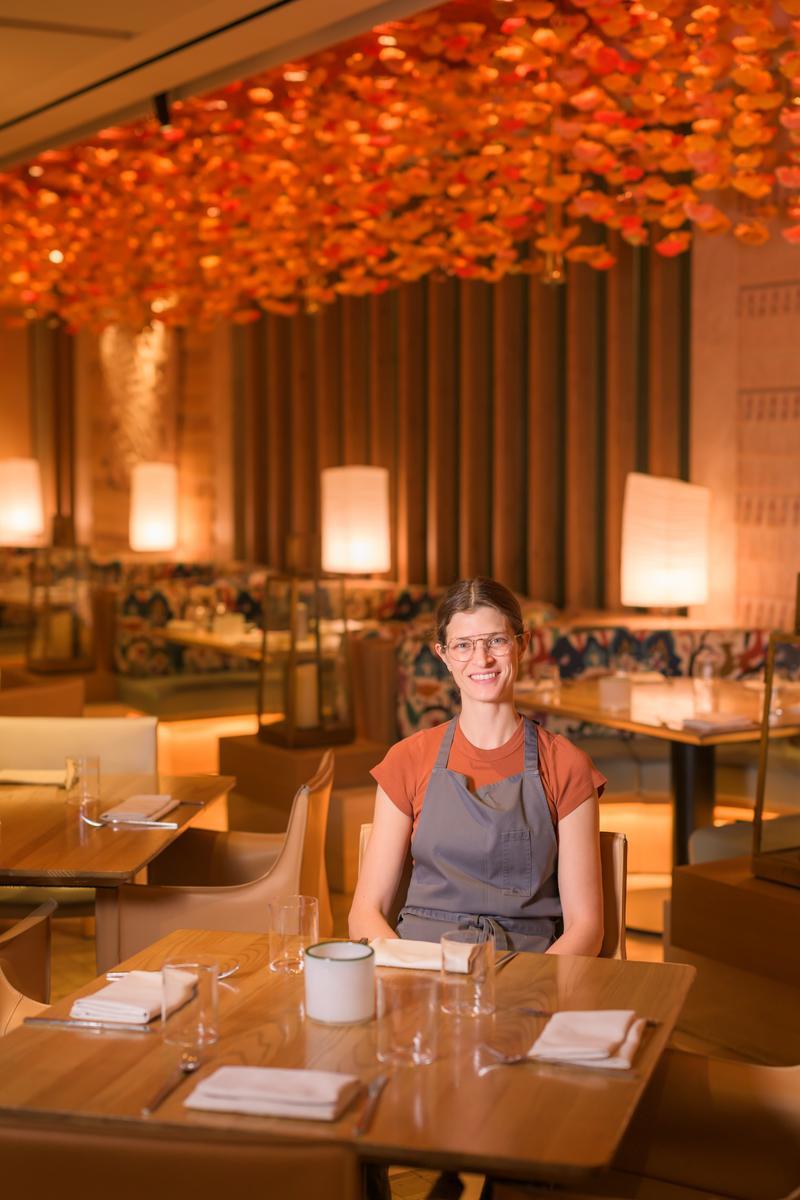
In Las Vegas, visitors frequently expect a spectacle. “The Las Vegas food scene is wild,” Thompson says. “It is really unlike any other market that I’ve experienced.”
After working in New York and spending the past decade in Mexican kitchens, Thompson arrived in Las Vegas to find a restaurant culture unlike anything she had encountered before. At Casa Playa, a busy evening can mean serving 600 or 700 guests. At the same time, the restaurant must appeal to diners arriving from nearly every corner of the world.
“You aren’t just catering to the local clientele of Las Vegas,” she says. “You have people from all over the world coming to your restaurant. I want to make sure that they’re looking at this restaurant and there’s something for them.”
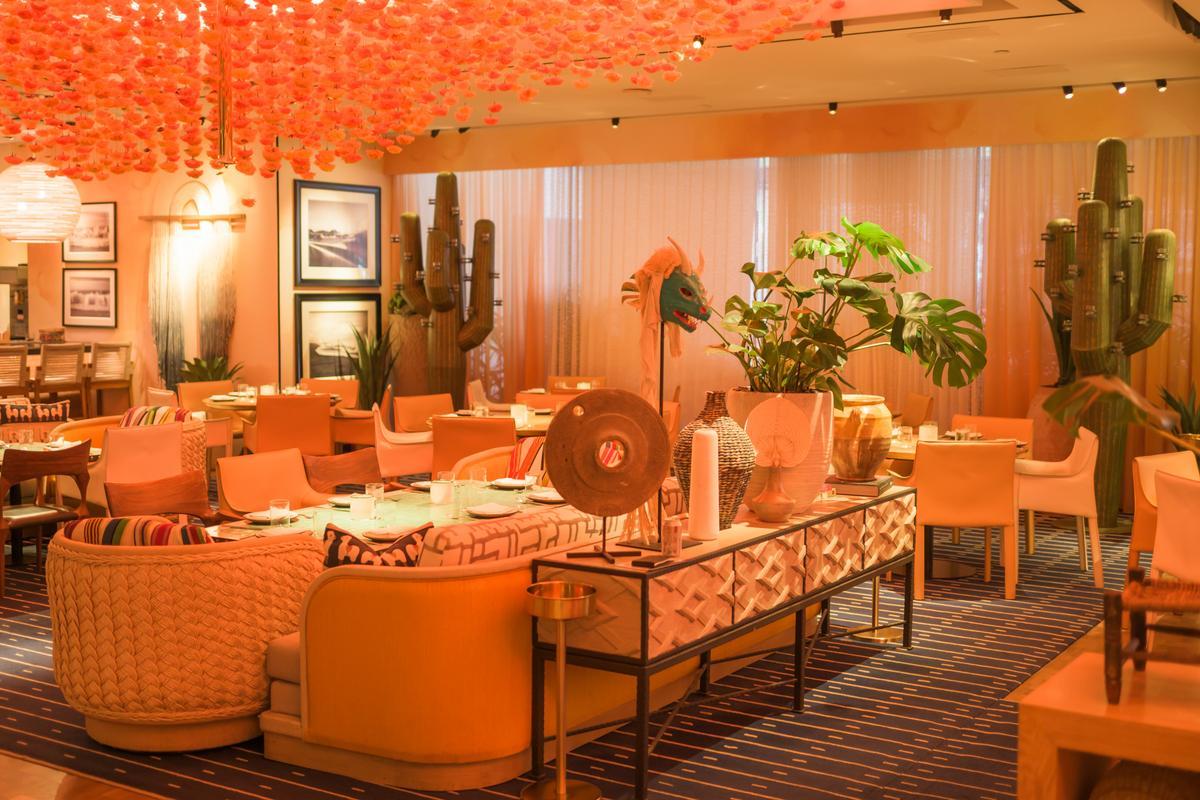
That global audience informs the experience at Casa Playa, a coastal Mexican restaurant. It is built around fresh Pacific seafood, seasonal produce and dishes meant to be enjoyed communally. Thompson describes the food as light, vibrant and deeply flavorful. It’s the kind of meal that energizes guests rather than slowing them down.
“The food is meant to be shared,” she says. “When you leave, you don’t want to feel heavy. You want to be refreshed and ready to take on whatever Vegas has to offer.”
Putting California Produce Center Stage
Although Casa Playa is located in the Nevada desert, much of the restaurant’s culinary inspiration begins across the state line.
Thompson works closely with California farms. She regularly sources from the Santa Monica Farmers Market, building seasonal produce into the menu with the same care many Las Vegas restaurants reserve for premium proteins. She also occasionally hosts pop-up dinners like the She’s My Cherry Pie After Dark dinner hosted by California Prunes at Cherry Bombe’s Farmers and Makers event in Paso Robles in honor of International Year of the Women Farmer.
“We want to make sure we have these amazing ingredients,” she says. “I like to focus on the produce, the vegetables.”
Her sourcing philosophy is straightforward. She looks for what is in season and finds the best quality available. Then she brings it in from as close as possible. In Las Vegas, “local” can require a broader definition, but Southern California offers Thompson access to a rich agricultural region and a steady supply of exceptional ingredients.
“When I source ingredients, I look for what’s in season and what I can get as close to me as possible,” she says. “That usually means getting stuff from the Santa Monica Farmers Market.”
In a city where conversations about quality often begin with steak, lobster or king crab, Thompson wants produce, vegetables and seafood to receive equal attention.
“Not everyone that comes here wants to eat crazy amounts of king crab or crazy amounts of lobster,” she says. “They want to eat good food.”
For Thompson, that means asking the same questions of every ingredient: Are these the best vegetables available? Are these the best oysters? Are these the best scallops? Does each element deserve its place on the plate?
“Let’s take all of the things that we focus on for those big ingredients and put them into everything else,” she says.
Rediscovering Prunes Through Mexican Cuisine
Thompson’s relationship with prunes began in a familiar place: her grandparents’ house.
“My experience with prunes growing up was just seeing them at my grandparents’ house,” she says.
But as she moved deeper into Mexican cooking, she began to see the fruit differently. Prunes appeared in adobos, sauces and other savory preparations, where their natural sweetness and concentrated flavor could add balance and depth.
“As I started working in Mexican kitchens, especially—which I’ve been doing for the last 10 years—you see them more and more,” she says. “I’ve seen them in adobos. I’ve seen them in various sauces. It definitely is something that’s really common in Mexican cuisine.”
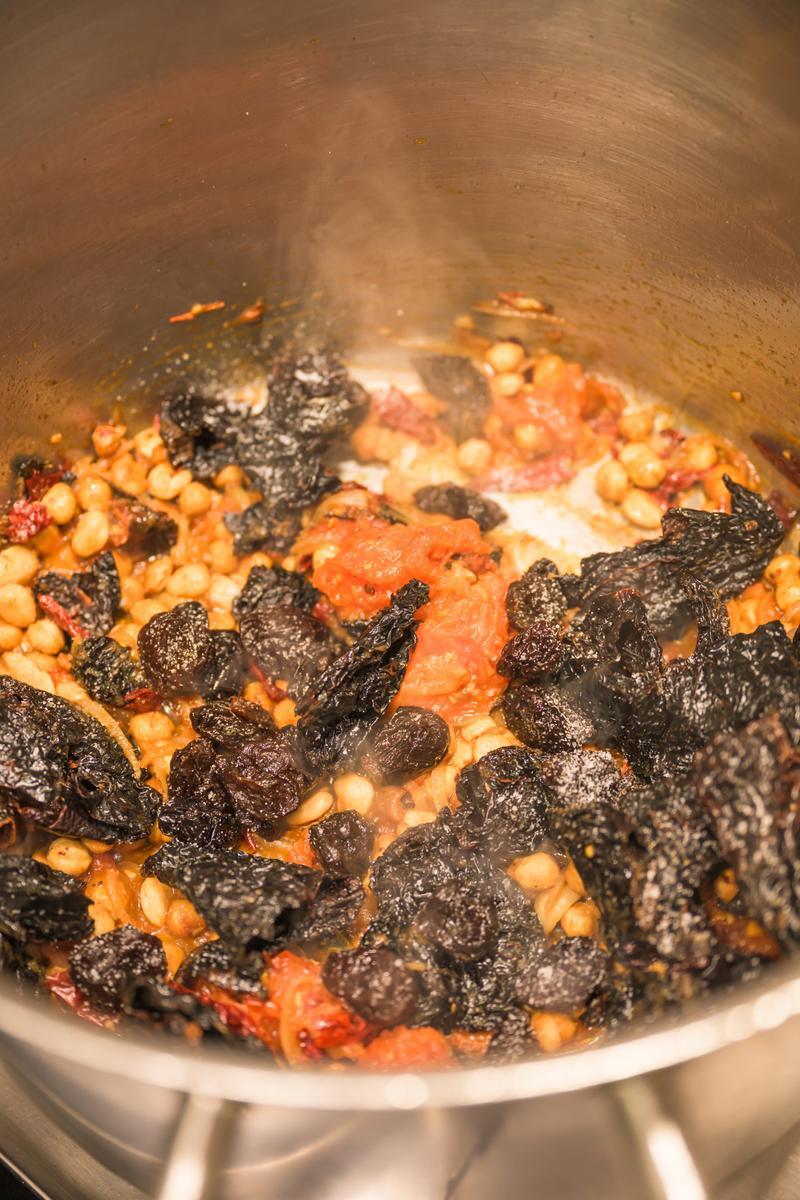
At Casa Playa, prunes are not treated as a novelty. They serve a practical culinary purpose, particularly in mole, where layers of chiles, nuts, seeds, spices and fruit must come together in balance.
Thompson is quick to challenge the common misconception that mole is simply a Mexican chocolate sauce.
“Mole means sauce,” she explains. “It’s so open-ended, and as you travel to different states of Mexico, it’s going to be so different and so diverse.”
Mole can be green, white, red, dark or somewhere in between. Each version has its own ingredients, techniques and regional identity. Rather than relying only on chocolate to soften the intensity of roasted chiles and spices, Thompson often turns to dried fruit.
“What we use prunes for a lot of the time in the restaurant is that sweetness,” she says. “People use chocolate to sweeten moles and balance out those rich and bold flavors of the chiles and the roasted nuts and seeds, where we use prunes.”
Prunes contribute more than sweetness. Their rich fruit flavor helps round out a sauce without overwhelming its savory character.
“We’ll use dried fruit to get that same kind of flavor development, sweetness and balance,” Thompson says.
A Mole Designed for Octopus
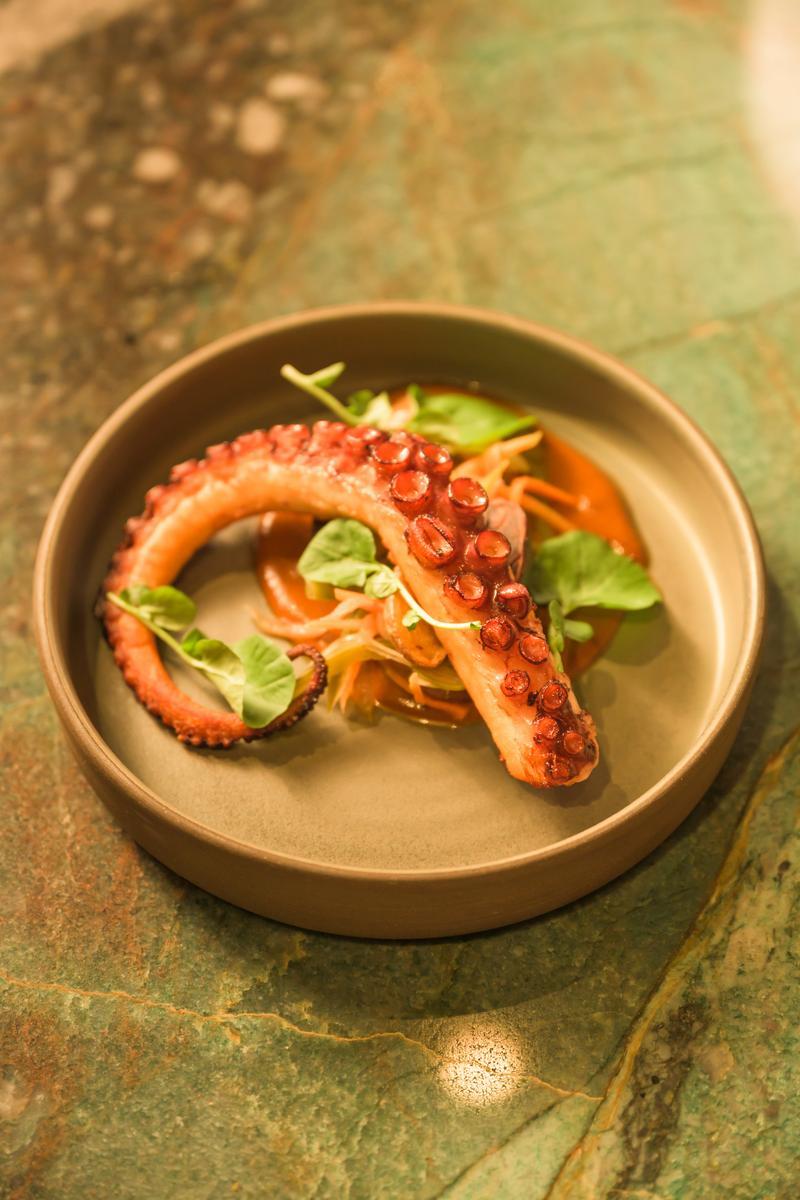
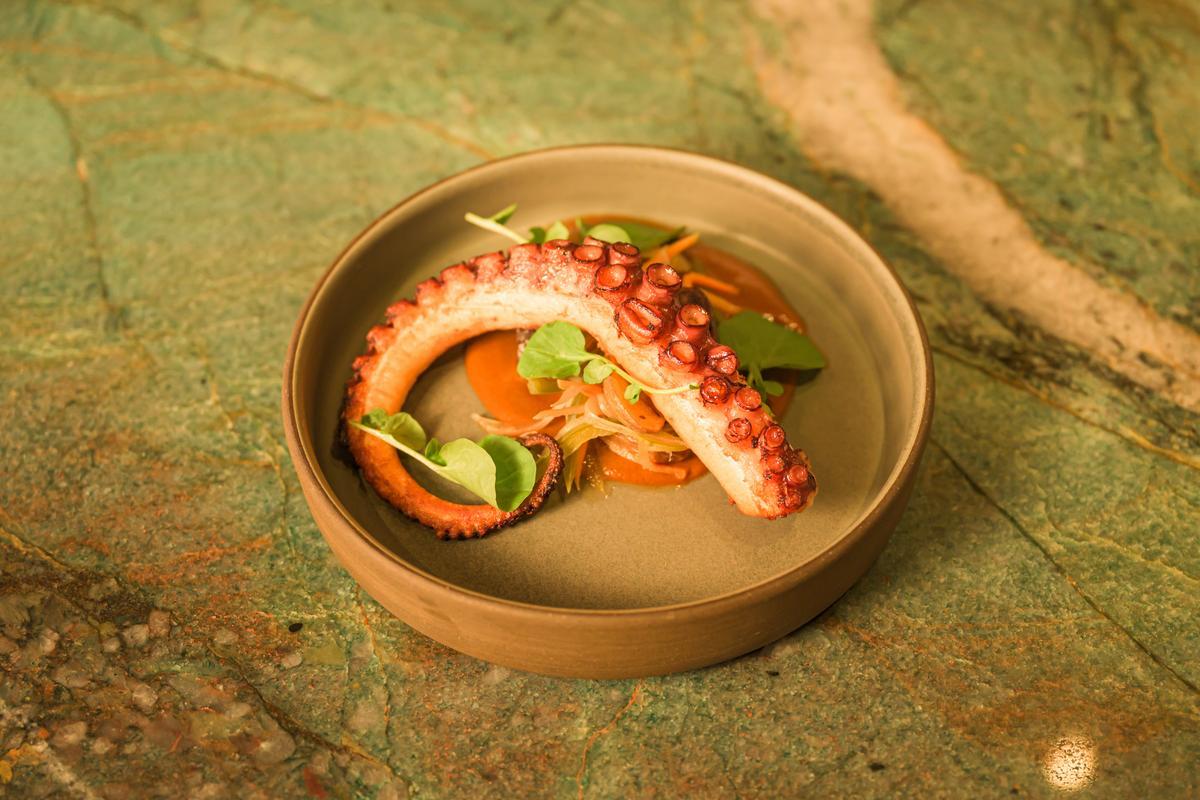
One of Thompson’s most distinctive applications is a coloradito mole made with prunes and served with braised octopus.
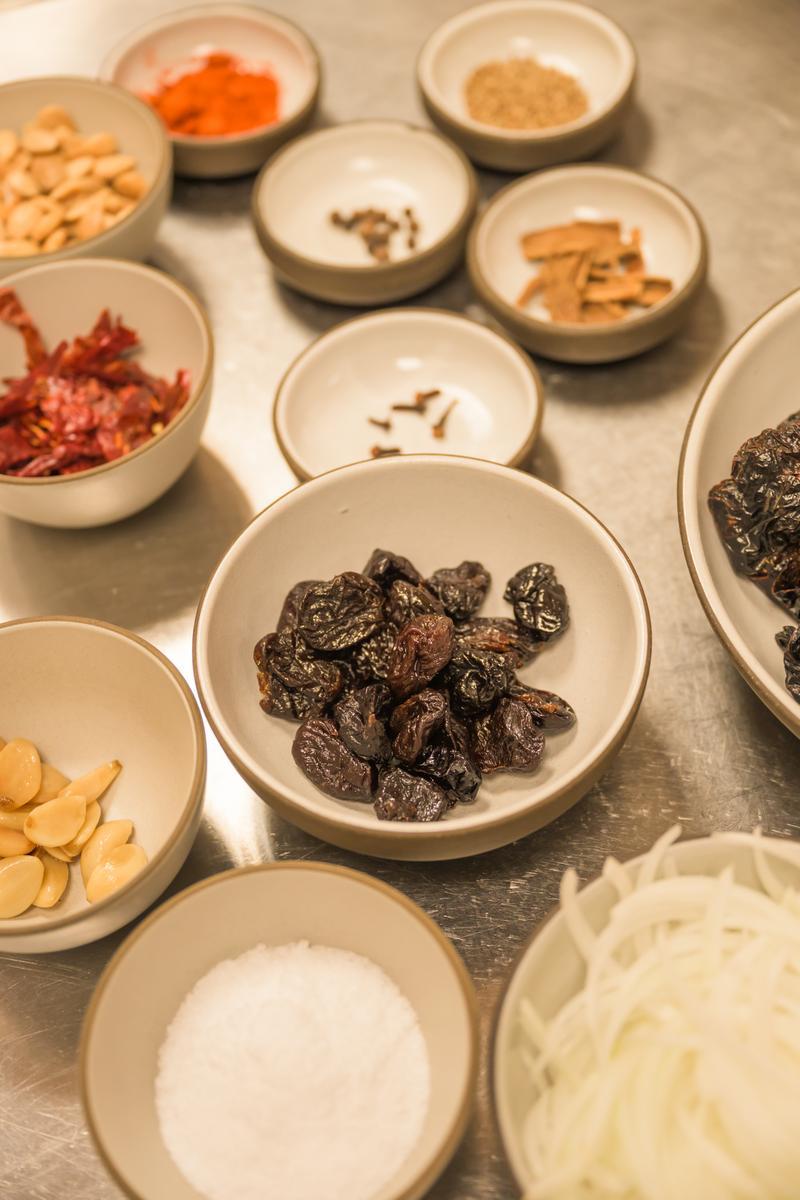
Coloradito, which translates loosely to “a little color,” is one of Oaxaca’s traditional styles of mole. Thompson’s version begins with roasted onions, garlic and tomatoes cooked down until concentrated. Toasted hazelnuts and Marcona almonds add richness, while canela, coriander, clove and allspice build warmth.
The sauce also includes ancho chiles, which Thompson says are a natural partner for prunes.
“Ancho chiles are just dried poblanos,” she says. “They have a beautiful smoky, raisiny flavor, and it complements the prunes so well. Together, they both stand on their own, and it’s really, really beautiful.”
A small amount of chile de árbol introduces heat, while plantains and prunes help connect the sauce’s smoky, spicy and savory notes.
“It’s a balance,” Thompson says. “We use plantains, we use the prunes to bring out those flavors but also balance them, and it’s a really fun way to use the ingredient.”
The finished mole is paired with octopus, a protein sturdy enough to stand up to the sauce.
“Octopus is muscular, it’s flavorful, it’s meaty,” Thompson says. “You need to have a vibrant and bold sauce that pairs with it.”
The dish illustrates Thompson’s broader cooking style: grounded in regional Mexican traditions, informed by quality ingredients and willing to take a thoughtful turn away from the expected.
Leading From the Kitchen
Thompson’s attention to ingredients is matched by her investment in the people preparing them.
“I’m nothing without my team,” she says. “I’m nothing without the group of people that are actually cooking food in this restaurant every day.”
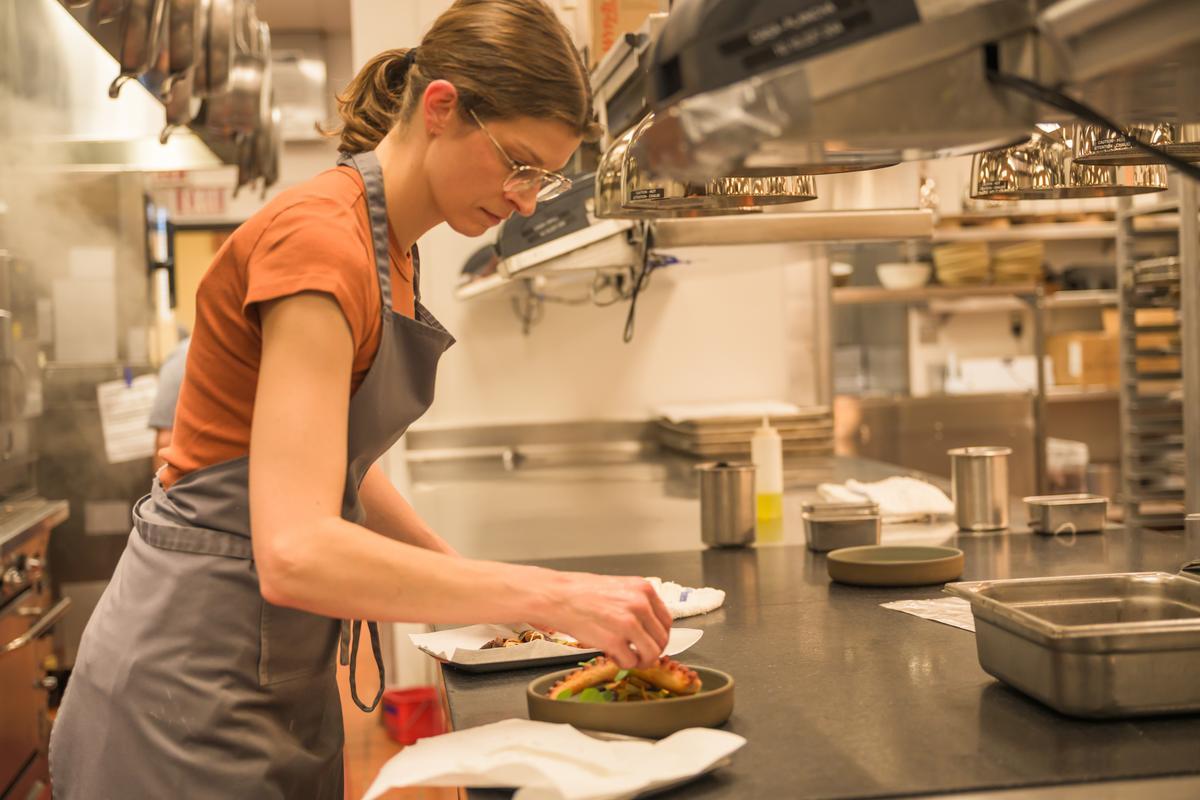
Despite the size and pace of a Las Vegas resort kitchen, Thompson maintains the hands-on leadership style she developed in smaller, independently owned restaurants. She personally trains cooks, demonstrates new dishes and works with the team to ensure that each plate is executed with consistency.
“If we’re doing new dishes, I’m going to be the one that shows you how to do it,” she says. “From start to finish, I make sure this dish is executed exactly how I want it to be, or give everyone the tools to execute it at the highest level.”
That approach has helped create unusual continuity in an industry known for turnover. Much of the Casa Playa team has remained with the restaurant for several years, growing alongside Thompson and the menu.
“I have, in my opinion, one of the best teams in Vegas,” she says. “They continue to meet me at levels I didn’t think existed.”
She also speaks about a broader kind of sustainability—one centered on people. Working within a large resort gives team members access to competitive wages, health insurance, scholarships and other resources that support their lives outside the restaurant.
“Because of all of these resources that are in place, people are able to succeed at work and also succeed outside of work,” she says.
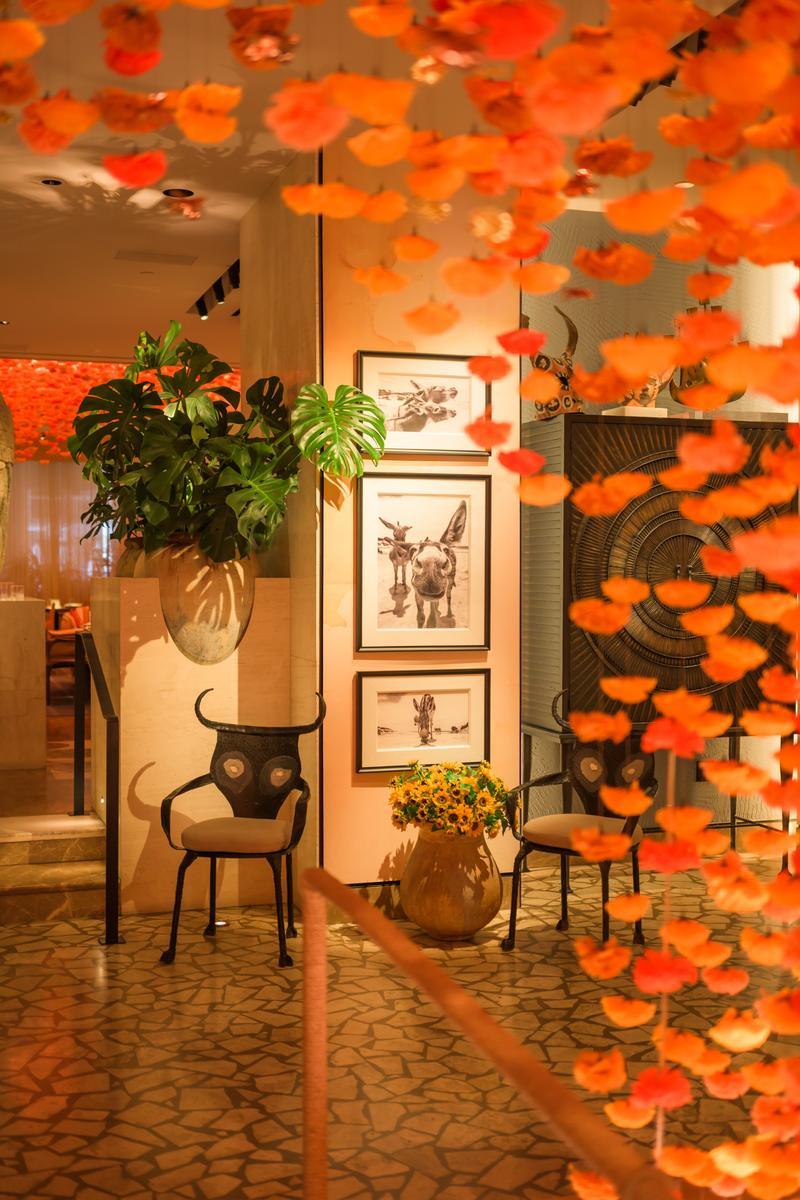


A Different Side of Las Vegas
Casa Playa reflects a side of Las Vegas that may surprise diners: produce-driven, seasonal and rooted in close relationships with growers.
Thompson’s cooking brings together the Pacific Coast, the agricultural abundance of California and the diverse traditions of Mexican cuisine. Prunes fit naturally within that approach—not as an old-fashioned afterthought, but as a versatile ingredient capable of adding sweetness, depth and balance to an ambitious savory dish.
Her coloradito mole makes the point clearly. With smoky ancho chiles, roasted tomatoes, warm spices, nuts, plantains and prunes, the sauce is complex without losing its sense of harmony.
That balance is also an apt description of Thompson’s work at Casa Playa: operating at Las Vegas scale while preserving the personal, hands-on spirit of a smaller kitchen; serving an international audience while respecting regional traditions; and pairing luxury seafood with the quietly powerful flavor of California-grown fruit.
“Vegas is a wild place,” Thompson says. “It’s everything that you think it’s going to be, but also so many things that you don’t.”
At Casa Playa, Sarah Thompson is helping define those unexpected possibilities—one carefully sourced ingredient at a time.
Article written for Alison Needham (@atable_defloured) for CA GROWN, images and video by James Collier, Paprika Studios.