From Dirt to Dinner Table: Growing a Legacy at Alta Colina Vineyard & Winery
In Paso Robles wine country, second-generation winegrower Maggie Tillman is cultivating more than exceptional wines. She’s helping carry on a family legacy rooted in sustainable agriculture, community, and a deep connection to the land.
Tractors and tasting rooms. Dirt and dinner tables. For Maggie Tillman, the magic of California wine lies somewhere in between.
As second-generation co-owner of Alta Colina Vineyard & Winery in Paso Robles, Maggie knows that making exceptional wine starts long before the first grape is pressed. It begins in the vineyard, with a deep connection to the land and a commitment to keeping it healthy for generations to come.
“What really hooked me with wine and the wine industry is it’s a really cool combination of this is a farm, this is agriculture,” Maggie explains. “I own two tractors. We have all this hardware to do farming, but I also get to go to really nice dinners.”
It’s a connection she never imagined would shape her career.
Wine is the Plan
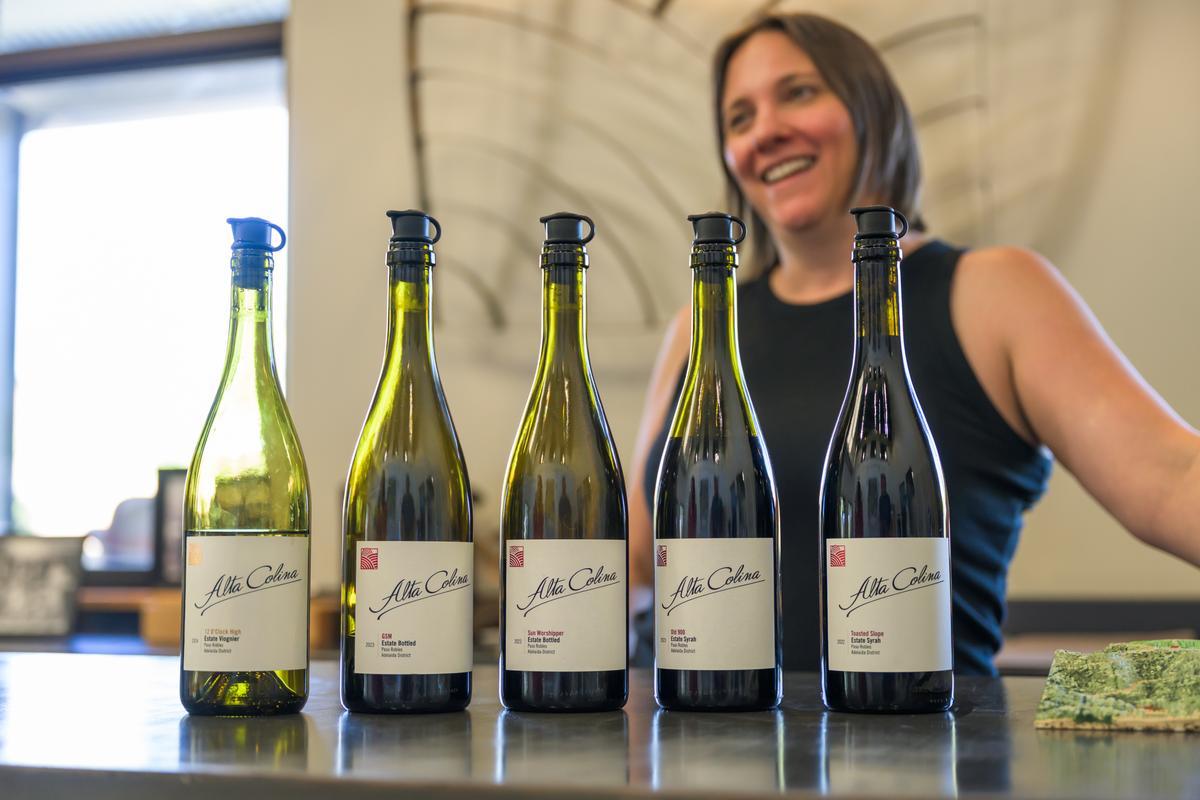
When Maggie Tillman’s graduated from college in 2007, her family owned a vineyard in Paso Robles, but there was no job waiting for her there – and wine was not her plan anyway.
It was her parents, Bob and Lynn Tillman, who had dreamed of growing grapes and making wine for decades. In 2003, that dream began taking shape when they purchased 130 acres in Paso Robles and set about developing a 32-acre vineyard.
Maggie, meanwhile, had other plans. She intended to work for a few years before heading to graduate school and pursuing an entirely different career. But a difficult job market brought her to Paso Robles, where she had a place to stay while figuring out her next move. With no bottled wine to sell, the family vineyard wasn’t yet in a position to employ her. Instead, Maggie found work at neighboring wineries, learning the industry from the outside in. What began as a temporary detour gradually became something more permanent.
“At some point I said, ‘That other plan I had, we’re not doing that. Wine’s the plan. I’m all in on the family business.'”
Today, Maggie works alongside her father to carry on the family vision, bringing her own perspective to a business that’s deeply connected to its surroundings.
A Vineyard Rooted in Place
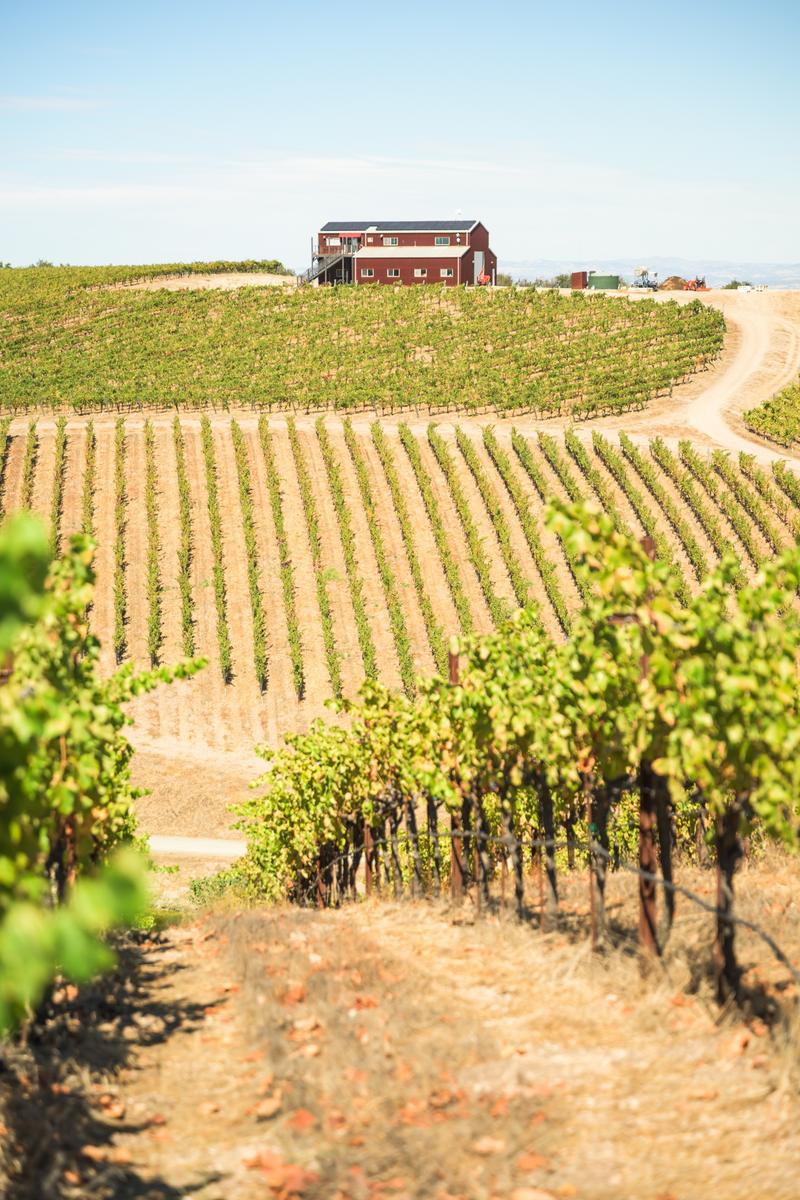
Perched high in the hills of Paso Robles, Alta Colina takes its name from the Spanish words for “high hill,” a nod to its elevated location. It’s a fitting name for a winery where the land itself takes center stage.
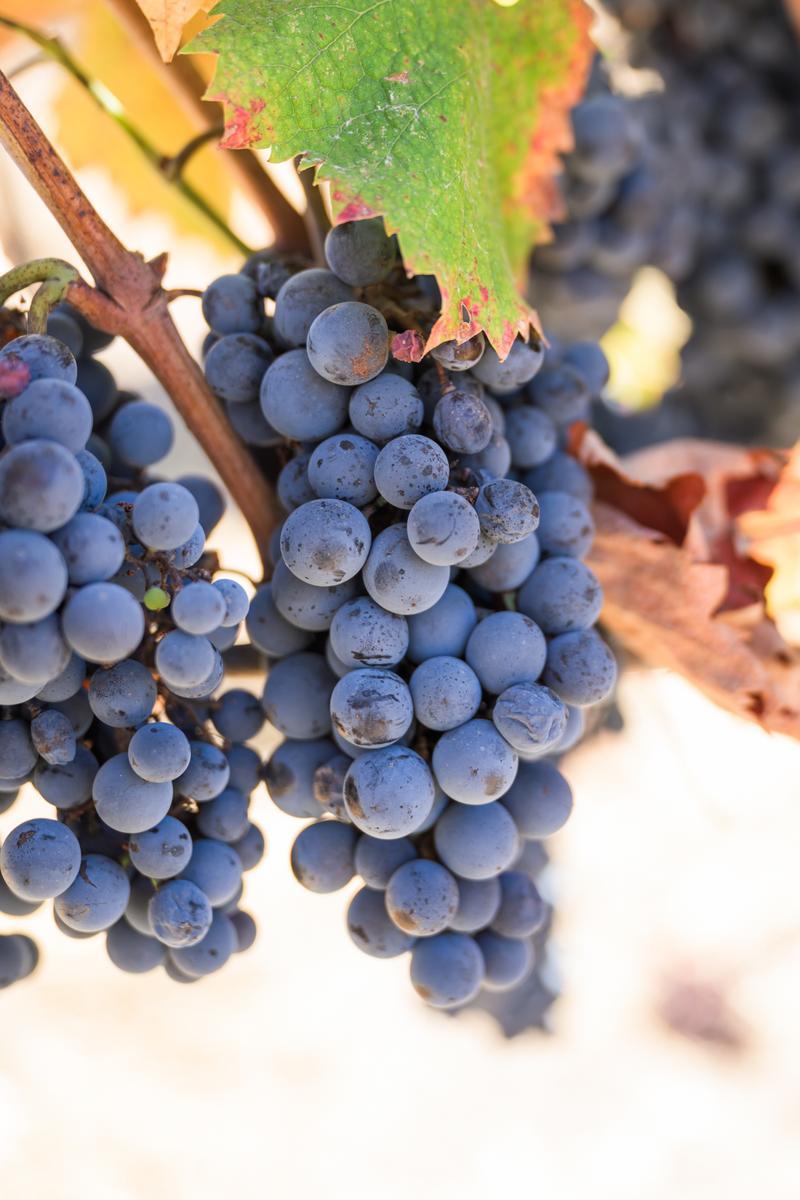
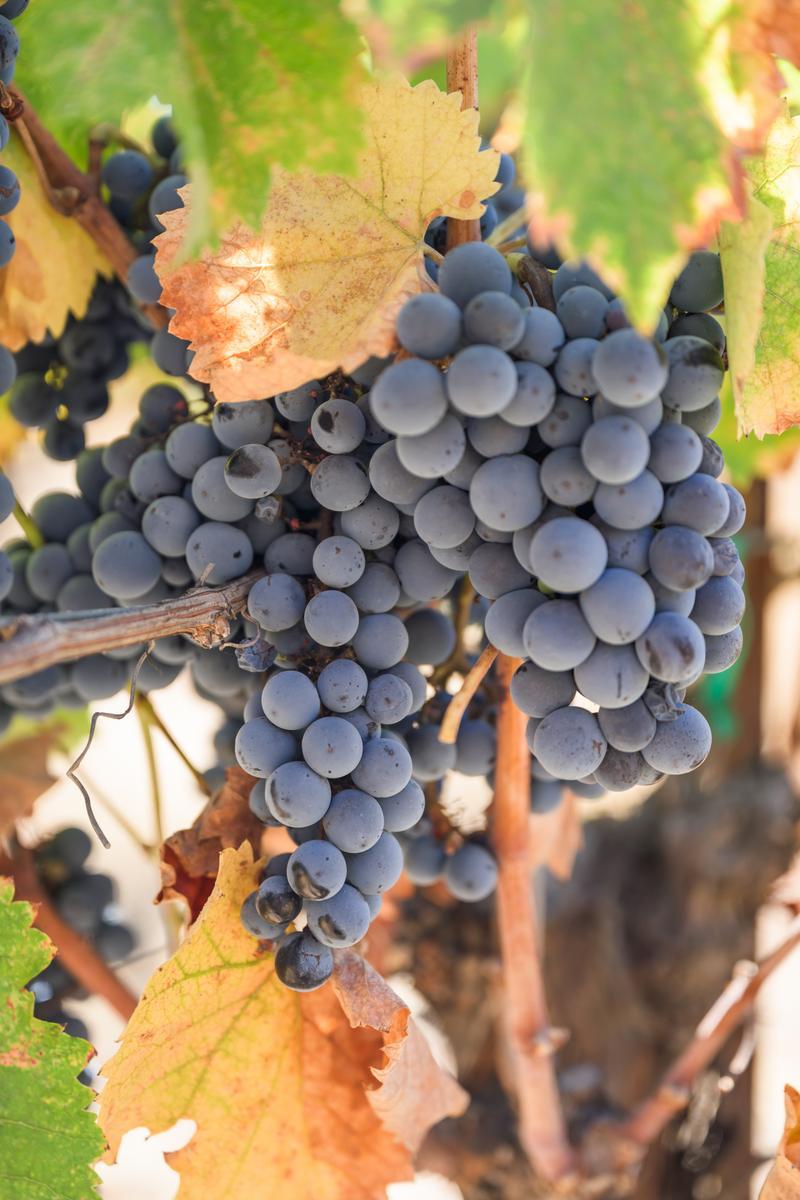
“We want this label to speak to place because we are 100% estate,” Maggie explains. “We’re not buying grapes from another vineyard. We are through and through. It’s this property, it’s our farming ethos, and it’s our wine-making techniques.” The vineyard specializes in Rhône varieties, grapes traditionally grown in France’s Rhône Valley that thrive in the climate and soils of Paso Robles. Alta Colina grows nine varieties, including Grenache, Syrah, Marsanne, Viognier, and Grenache Blanc.
While most of the grapes become Alta Colina wines, the family also sells a portion of its harvest to neighboring winemakers. It’s a practice that dates back to the vineyard’s first vintage in 2007, when selling grapes helped generate the income needed to keep the young operation growing.
Maggie likens the arrangement to sending two chefs to the same farmers market. Both might start with identical ingredients, but the finished dishes could be completely different. For her, seeing what other winemakers create with Alta Colina grapes is part of the fun.
Sustainability From the Ground Up
At Alta Colina, sustainability isn’t simply a farming philosophy. It’s a family commitment, shaped by the understanding that the decisions made today will influence the vineyard’s future.
“Sustainability for us at Alta Colina is baked into our DNA because this is a multi-generational business,” says Maggie. “It is important to my father that this farm that sustains us will sustain me in 20 years from now, and whoever we hand it on to beyond.”
That long-term outlook has transformed the family’s approach to farming.
Early on, the Tillmans experimented with organic practices on two small sections of the vineyard while farming the remaining acreage conventionally. The difference was striking. “The land was just happier. It didn’t take a scientist or someone very technical to know.”
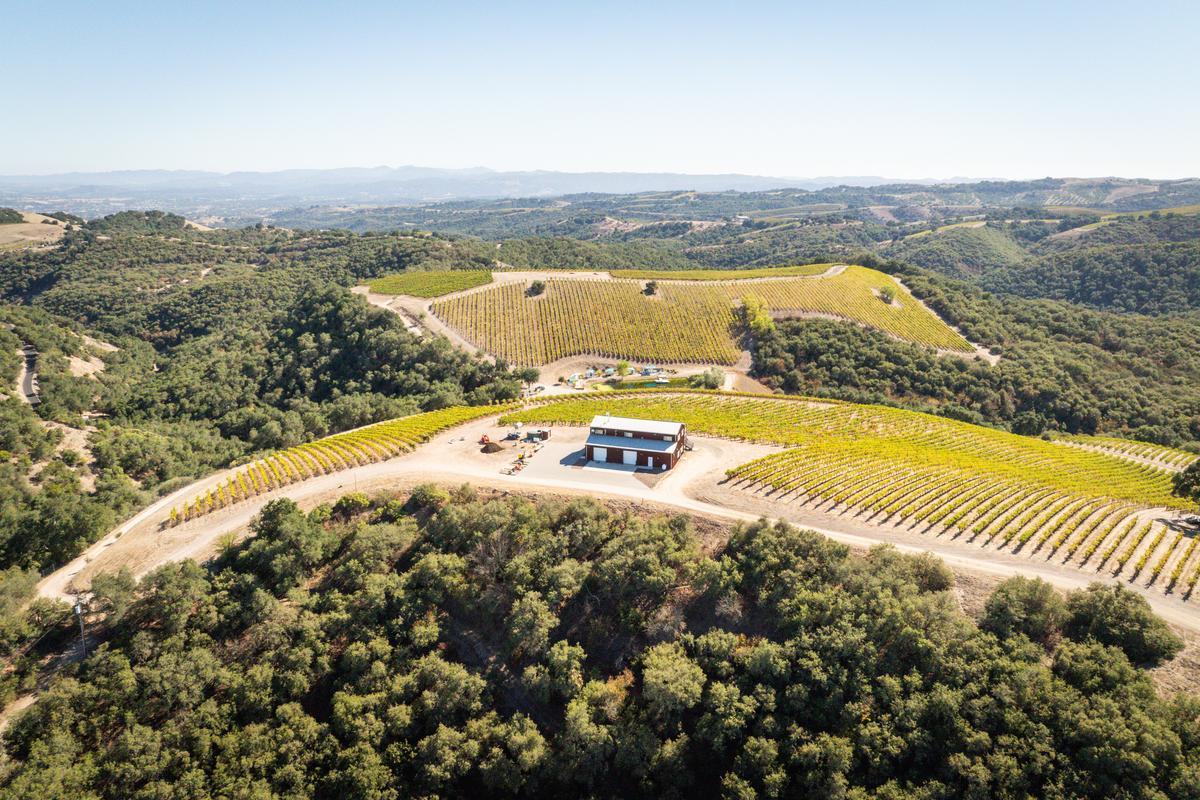
Beginning in 2011, they transitioned the entire vineyard to organic farming practices. But their commitment to sustainability extends far beyond the vines. Solar installations on the vineyard buildings supply nearly all of the vineyard’s electricity needs, while solar power offsets more than half of the winery’s electrical consumption, according to Maggie. The family has also planned a 10,000-gallon rainwater collection system to capture water from a barn roof for use in vineyard applications.
Even the wine bottles reflect this thoughtful approach. Alta Colina uses lighter-weight glass to reduce shipping impacts, natural cork as a renewable material, and bottles without the traditional foil capsule around the neck to eliminate unnecessary waste.
Individually, these choices might seem small. Together, they reflect a philosophy of caring for the land with future generations in mind.
As Maggie puts it: “Knowing that we want and need these vines to produce in 35 years from now changes the decisions that you make today.”
Growing Together in Paso Robles
For Maggie, being part of Paso Robles wine country also means being part of a larger agricultural community where collaboration often takes precedence over competition.
“It’s incredibly collaborative. If my neighbor is doing well, it is good for me,” she says. “We want you to come to Paso and find eight wineries that you love for different reasons.”
It’s a spirit that extends from the vineyard to the tasting room.
With its diverse soils, microclimates, and grape varieties, Paso Robles offers everything from familiar favorites to small-production wines visitors might never encounter elsewhere. Just as importantly, Maggie believes the region’s welcoming personality makes it approachable for newcomers and longtime collectors alike.
“If you’ve never gone wine tasting, if you’ve never had a sip of wine in your life, I can think of five places where I could bet money that you will have a great time,” she says. “And if you have a 10,000-bottle cellar, I can think of five places where you will have a great time.”
Experience the Vineyard
That welcoming philosophy is reflected in the experiences Alta Colina offers visitors.
Beyond its daily tasting room, guests can reserve a Summit Vineyard Tasting, a private experience on a viewing deck surrounded by grapevines. It’s an opportunity to appreciate firsthand the landscape that makes Alta Colina’s wines unique.
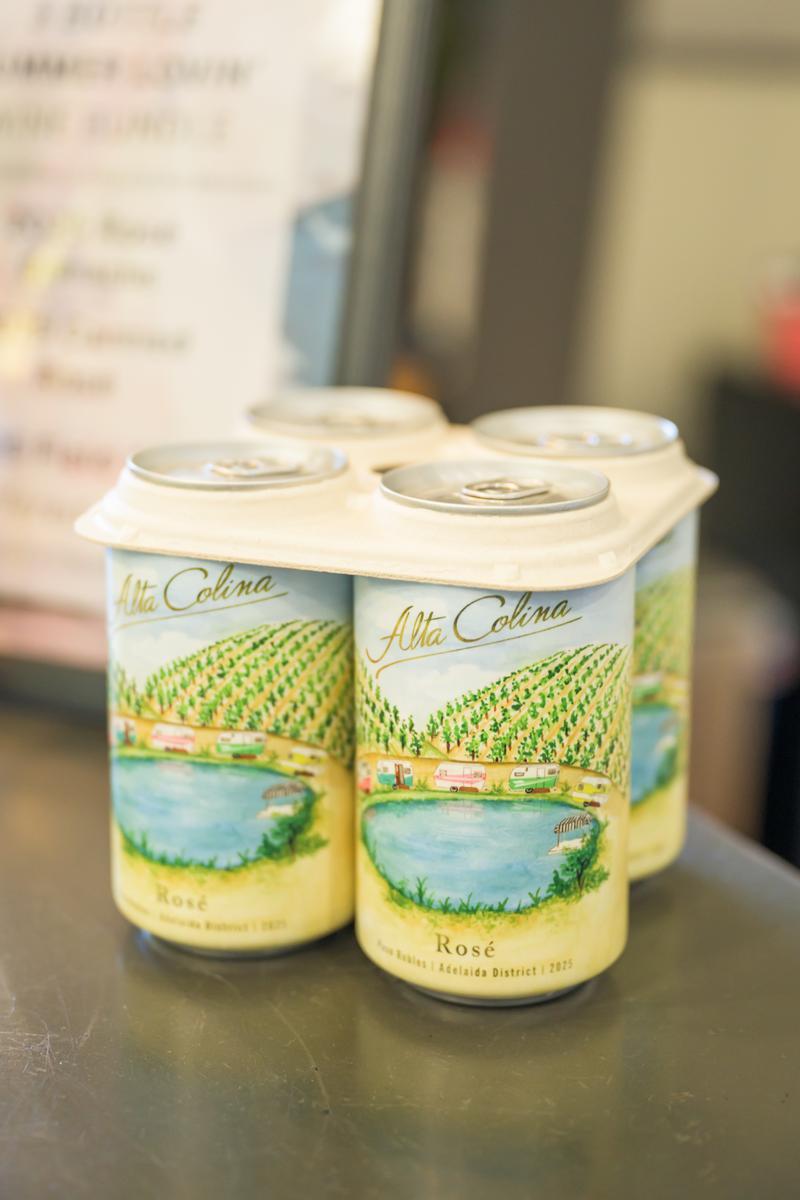
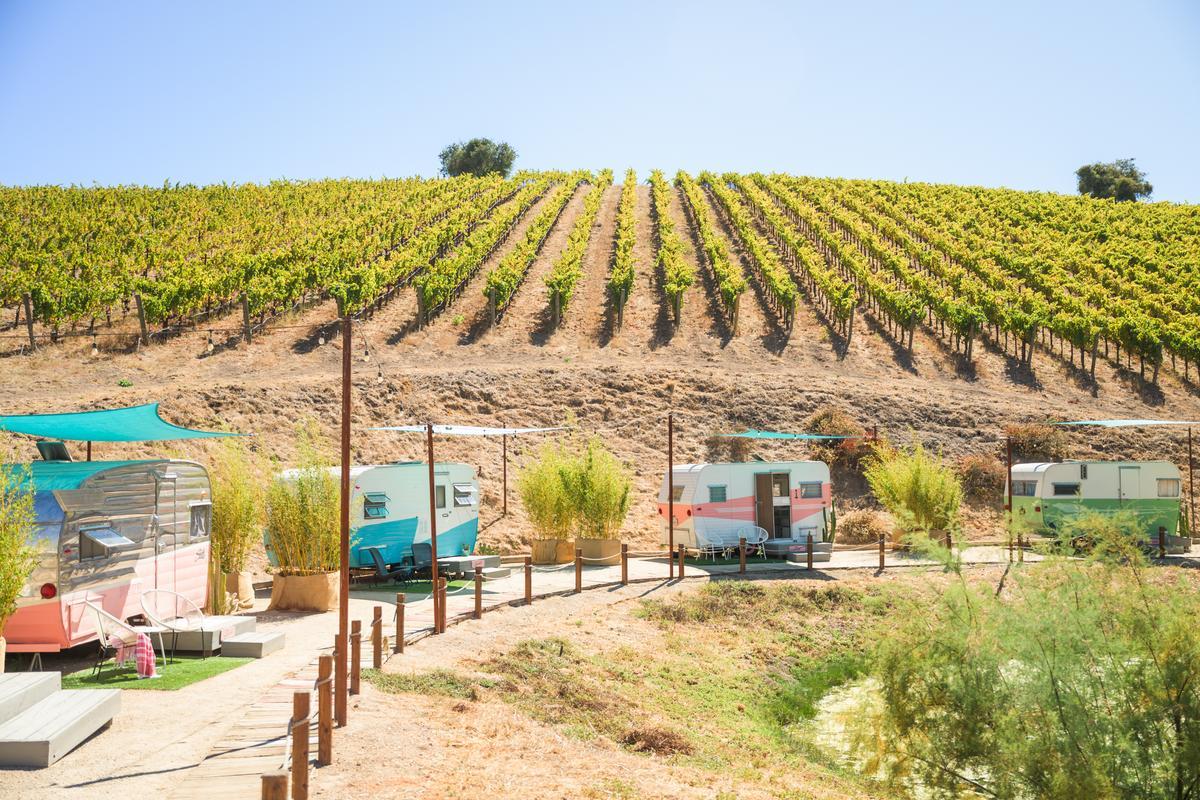
For those looking to linger a little longer, there’s The Trailer Pond, a one-of-a-kind campground featuring five vintage trailers from the 1950s and 1960s nestled among the organic vineyards. Perched high on the property, the trailers offer sweeping views and an immersive way to experience California wine country.
Both experiences invite visitors to connect the finished wine in their glass with the land where its story began.
A Winemaking Legacy Worth Growing
After years of working side by side with her father, Maggie recognizes that the most meaningful part of the family business isn’t necessarily what happens in the vineyard or the winery. It’s the opportunity to continue something they built together.
“When I think about this business in 10, 20 years from now, it’s really important to me that I continue to make my dad proud of what we started,” she says. “I wanna carry it on, I wanna keep building on it.”
And while Maggie takes enormous pride in the farming and winemaking behind each bottle, she hopes the wines ultimately become part of something much simpler: a meaningful moment in someone’s day.
“When I think of people enjoying a bottle of Alta Colina, I don’t care if you’re at a Michelin star restaurant or if you’re barbecuing in the park,” she says. “I want it to put a smile on your face, and I want it to make your day better.”
After all, for Maggie, that’s the beauty of California wine. It begins with the land, grows through generations of hard work, and eventually finds its way to the table, where it’s meant to be shared.
Article written by Alison Needham (@atable_defloured), images and video by James Collier, Paprika Studios.