
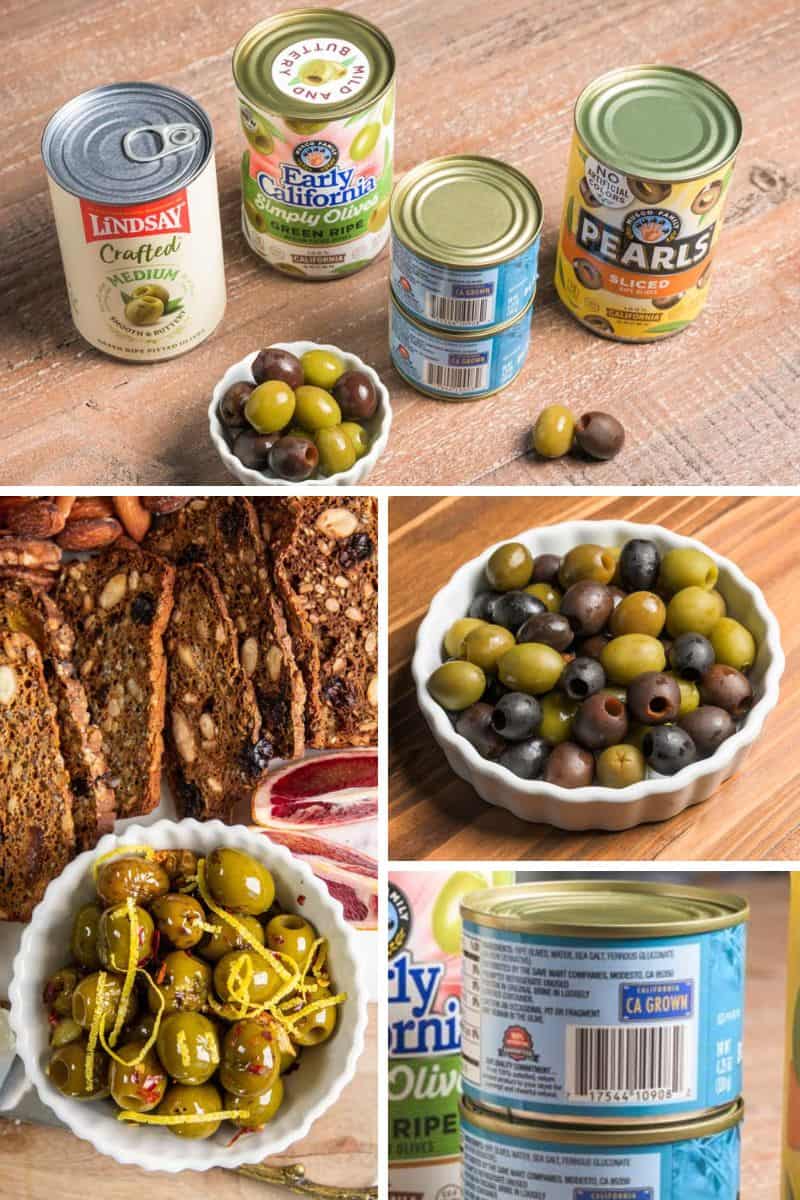
Are Olives Healthy? What to Know About California Ripe Olives
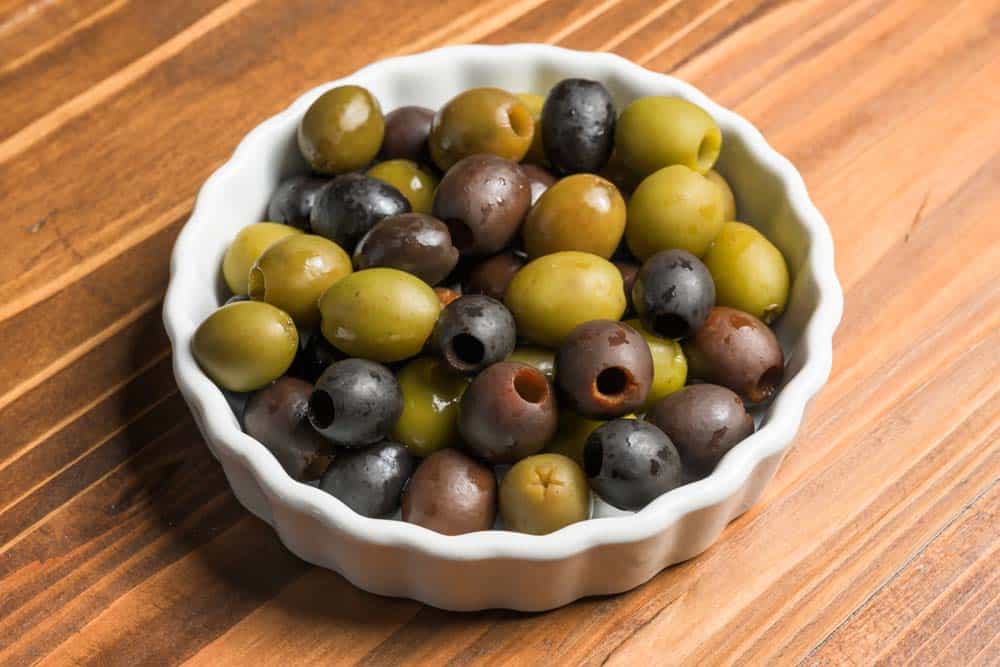
Ah, the small, but mighty California Ripe Olive! Prized by chefs for their consistent buttery texture and complementary flavor profile, and equally loved by kids (and their parents) for bringing the fun to afternoon snacking and veggie trays, California Ripe Olives are nothing if not craveworthy. But are olives healthy? 100%! Let’s dive in to find out what makes these tiny fruits so worth craving!
Nutritional Facts That Prove Olives Are Healthy
California Ripe Olives -BIG on flavor, small on calories
Olives bring BIG flavor and satisfying buttery texture for a very small calorie investment. We’ll need to dive into some science to understand how this works. Olives are 10% fat by weight — primarily beneficial oleic acid. The other 90%? Water and some fiber. Like many other fruits and vegetables, California Ripe Olives have a high water content, making them a low-calorie food. Calories per serving vary based on the size of the olives, but range from 15-25 calories per 15 gram serving. The good fat, fiber, and water content contribute to olives’ unique buttery texture.

How are olives healthy? It’s in the famously healthy fats
The oleic acid in olives is the same kind of good, monounsaturated fat found in olive oil that anchors the long-respected Mediterranean eating pattern. In fact, an expert panel of registered dietitian nutritionists, doctors, and clinical researchers convened by U.S. News and World Report named the Mediterranean diet the best overall diet in 2025 (ranking highest in the most health categories) – for the 8th year in a row. These experts gave it the highest ranking across most health categories – best for diabetes, gut health, mental health. It was named second best for heart health, brain health, and menopause; and best of all, “easiest to follow.” And it’s no wonder. This flexible, plant-forward eating pattern featuring many California Grown foods is far from a prescriptive diet. It’s a delicious lifestyle that prioritizes whole grains, fruits, vegetables, beans, nuts, poultry, and seafood, with olive oil as the primary source of fat.

Nutrients that bring flavor
How does such a small fruit — made up mostly of water and fiber — pack such a punch? The secret is in the phyto (or plant) nutrients. Plants naturally produce many nutrients important to human health. Some, like the polyphenols in olives, act as antioxidants and are associated with healthy aging, reduced inflammation, and protection against cancer and heart disease.
The polyphenols in olives are naturally quite bitter, so steeping California Ripe Olives in a traditional saltwater solution tones down the strong notes and allow the milder flavors of the olive to shine through.
The process of brining olives was developed in the 1800s by an early female California entrepreneur named Freda Ehmann, known as the “mother of the California Ripe Olive industry. Her innovative brining process to cure black olives to preserve them in cans is the process we still use today, and sets California Ripe Olives apart from those produced in other parts of the world.

Add the olives, lose the sodium
After brining and rinsing, California Ripe Olives have only a small amount of sodium – about 135mg per 15g serving. This contributes to olives’ umami flavor notes and makes them a perfect “seasoning” for salads, soups, flat breads…virtually any dish! Adding olives means you can reduce or eliminate salt and/or other sodium-based seasonings that a recipe might call for.
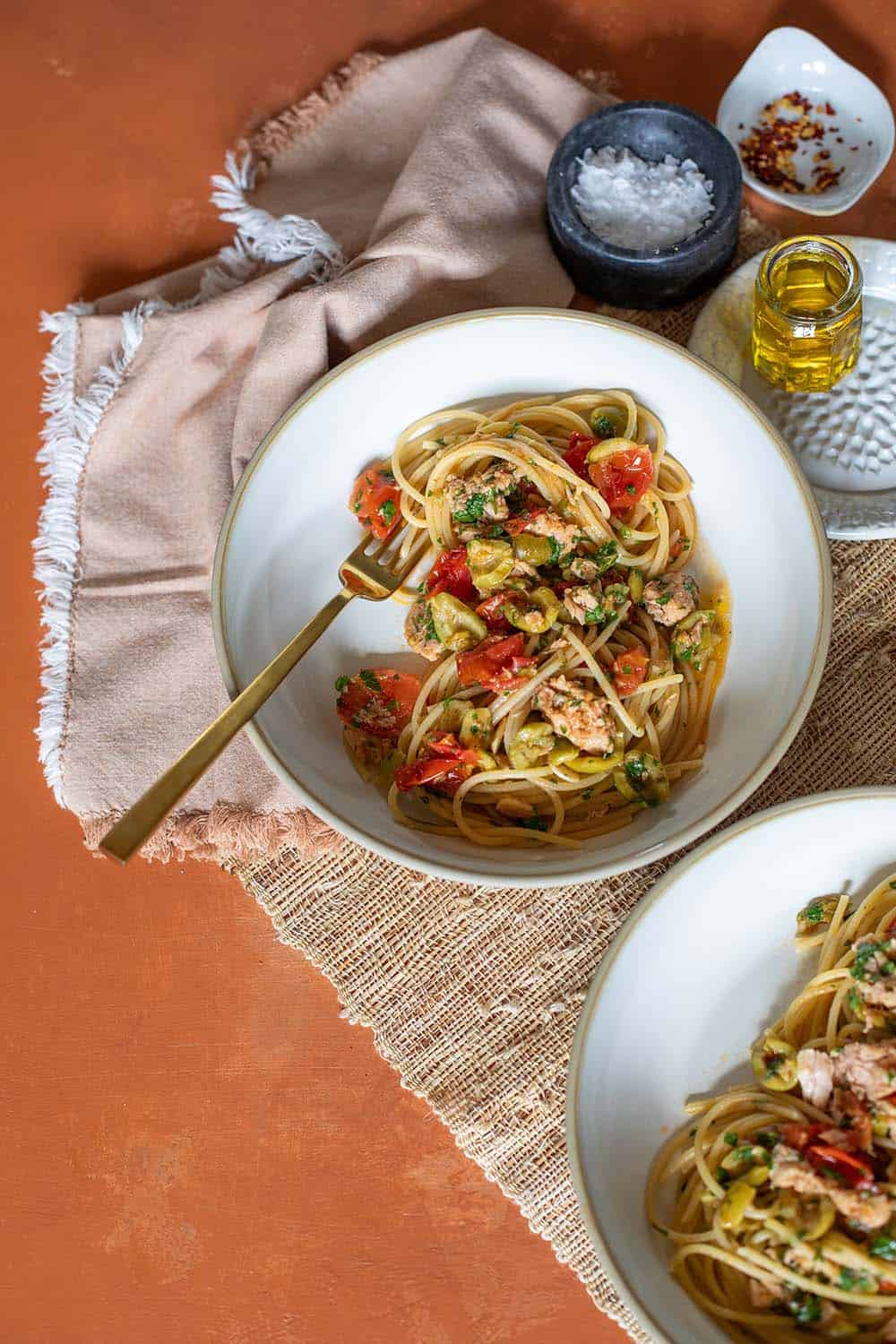
California Ripe Olive Recipes To Try Soon
Now that we’ve answered the question “Are olives healthy?” you’ll know why California Ripe Olives are appreciated by wellness seekers: they bring good fats and beneficial plant nutrients in a flavorful, buttery package that feels just a little indulgent.




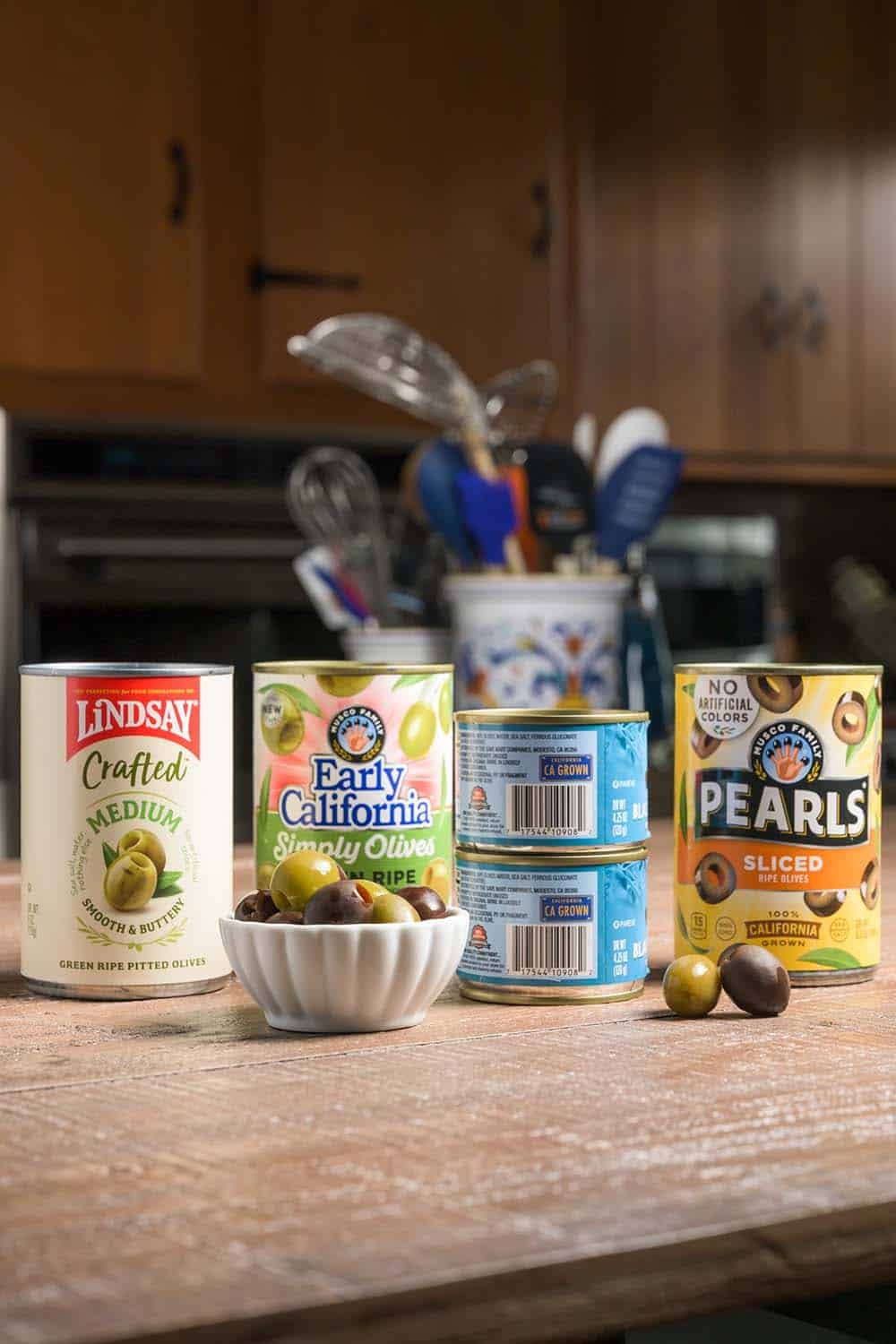
Ripe Olives: Classic, Dependable, and Grown in the Golden State
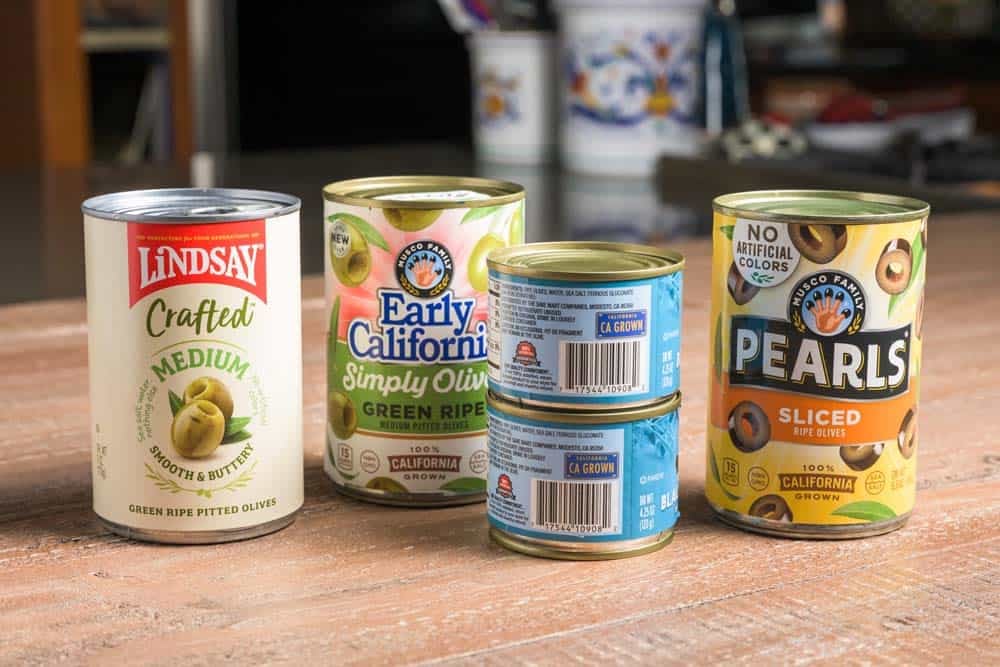
California ripe olives are one of those ingredients most of us keep within arm’s reach, and there’s a reason for that. They’re dependable, versatile, and always ready to use, which is why you’ll find them packed in cans rather than sold fresh.
California produces over 95% of the olives grown in the U.S., so choosing California-grown when you shop means you’re getting olives from a place that truly knows how to grow them well.
Harvest typically runs from early September through mid-November, using a mix of hand harvesting and mechanical harvesters. Once picked, the olives are sent to one of two multi-generational family-owned processing plants where they’re sorted, graded, and stored before curing.
Want to hear some tunes as iconic as California Ripe Olives? Check out this California Grown Spotify playlist:
This article was written by Jenny Heap, MS, RDN

Jenny is a registered dietitian, writer, speaker, and a passionate advocate for keeping nutrition simple. She translates the science of nutrition as well as stories from the farm into practical inspiration for everyday kitchens. Her fascination with fresh produce was sparked many years ago when she attended an apple tasting event at Thomas Jefferson’s historic Monticello. Now a self-proclaimed “varietal connoisseur,” she is a champion of all things fresh and flavorful. One of the highlights of Jenny’s career was her work with the Almond Board of California in health and nutrition communications, where she developed a deep appreciation for the California farm families responsible for much of the abundance we see every day in supermarkets across the US.