

Posterity Ciderworks: Small Batch Ciders with a Sense of Place
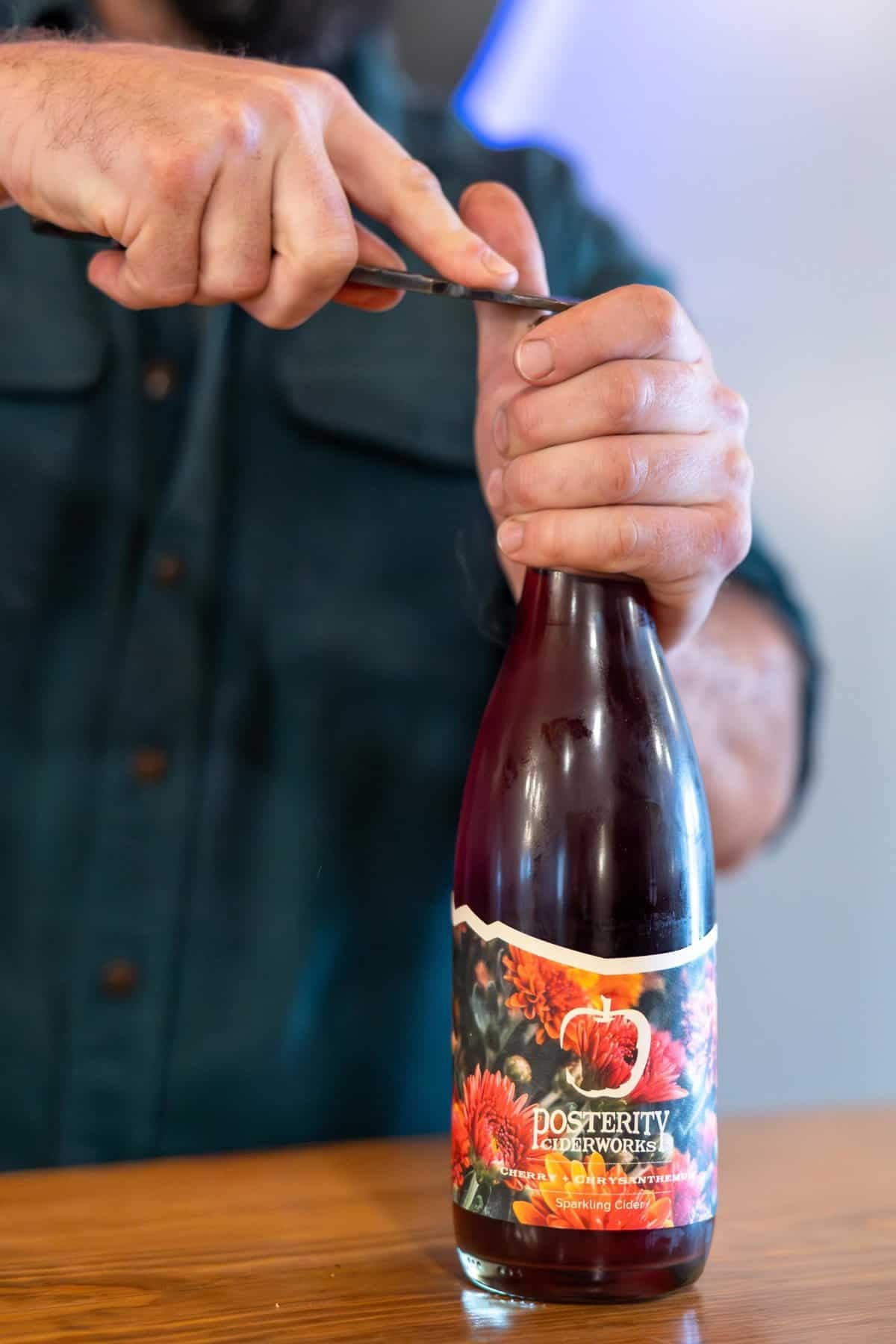
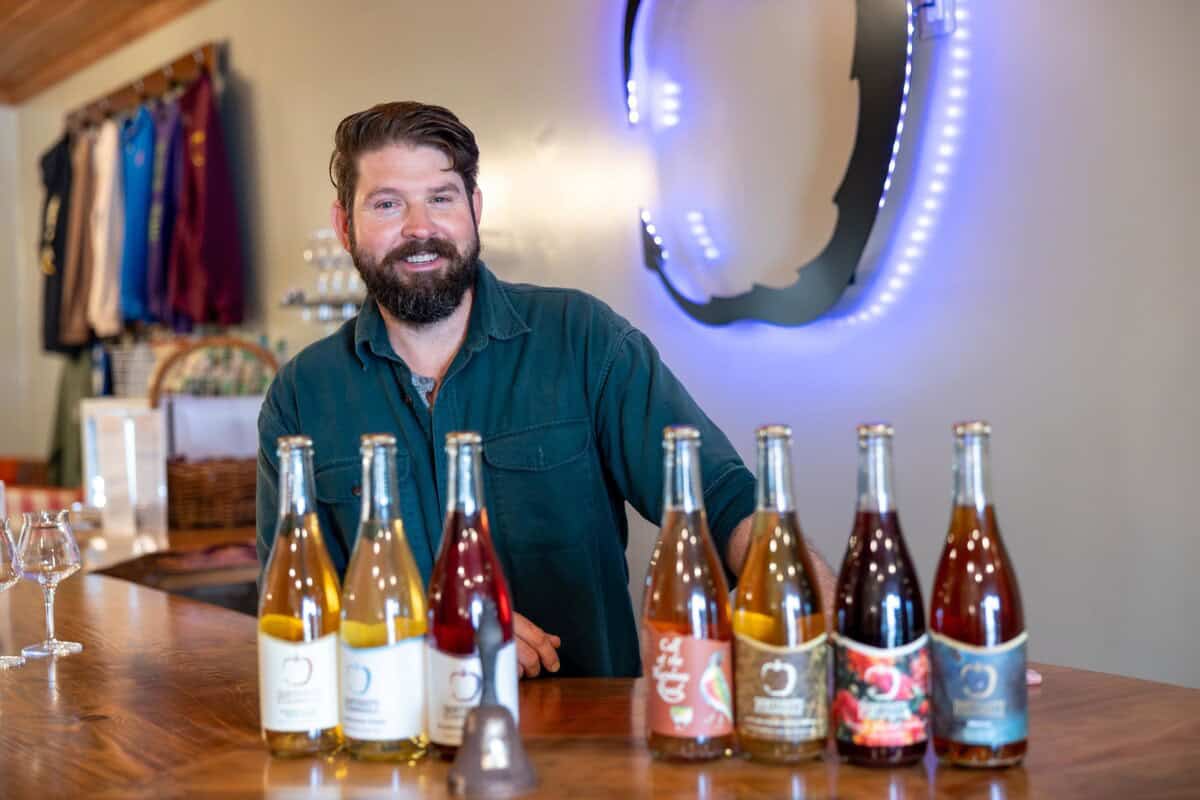
The word “cider” typically brings one of two things to mind – lightly spiced apple juice or hard cider, a sweet, alcoholic alternative to beer or seltzers. The elegant, nuanced ciders you’ll find at Posterity Ciderworks are nothing like either of the aforementioned beverages (apart from the fact that they’re all made with apples, obviously). Brendan Barnard treats his low-intervention ciders more like fine wine. Each small batch is unique, with a sense of place, and meant to showcase heirloom fruit grown in abandoned Gold Country orchards.
Giving new life to abandoned orchards
Posterity Ciderworks ciders start with heirloom apples. The majority of the fruit that Brendan sources comes from abandoned orchards – many of which have been forgotten for decades. Brendan likes these neglected orchards because of the unique fruit they produce. He notes, “We have access to heirloom varieties that aren’t available commercially anymore. The fruit we get is beyond organic. These orchards have been abandoned for three, four, five, eight decades. So, there’s no sprays of any kind and it’s all dry farmed.”
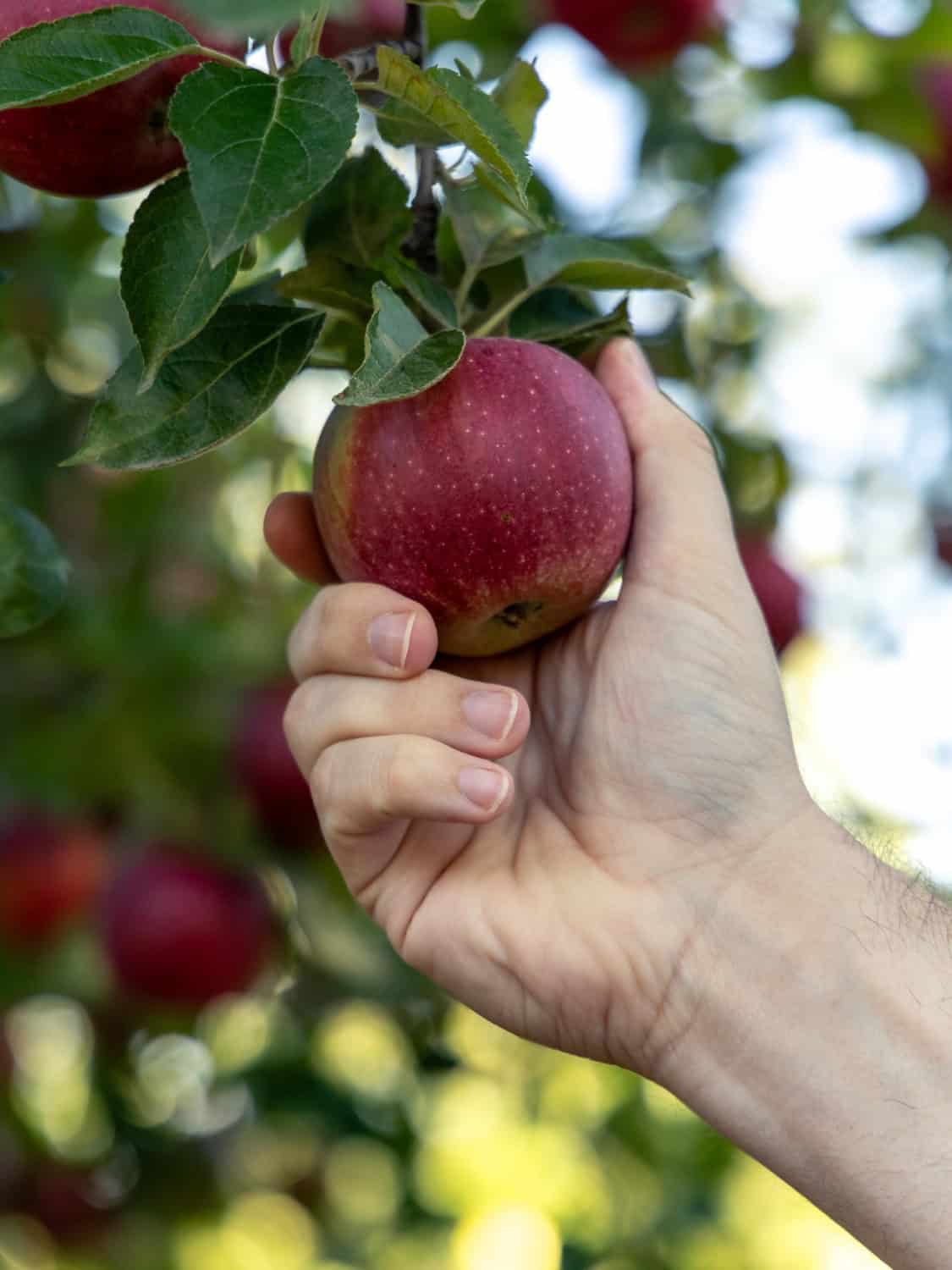
Finding and rehabilitating the orchards is more labor-intensive than sourcing farmed fruit, but the results are well worth it. Brendon details the process: “The way that we find these old orchards varies. Sometimes it’s my wife and I scouting on back roads. Other times we’ve had a couple of pieces in local papers about our mission, and we’ve had people get in touch with us.” He continues, “The first step is to figure out who owns the property. Can we go out and check out the trees? Are the trees worth working with? And then we get into this cool phase of kind of bootstrapping the property back into productivity.”
Preserving agricultural history and community
Once he identifies an orchard, Brendan works with the owners to determine how best to tackle the task of caring for the trees. He notes, “The way that we handle the orchards kind of varies. A lot of the time, it’s been decades since it was being farmed, and people don’t know what to do. Sometimes, folks are young enough that they want to take over once we show them what to do. Other times they’re retirees – then we’re the ones doing the maintenance and the upkeep – which can be a huge job.”
Working with the property owners is mutually beneficial. Posterity Ciderworks retains access to unique, organic apple varieties.
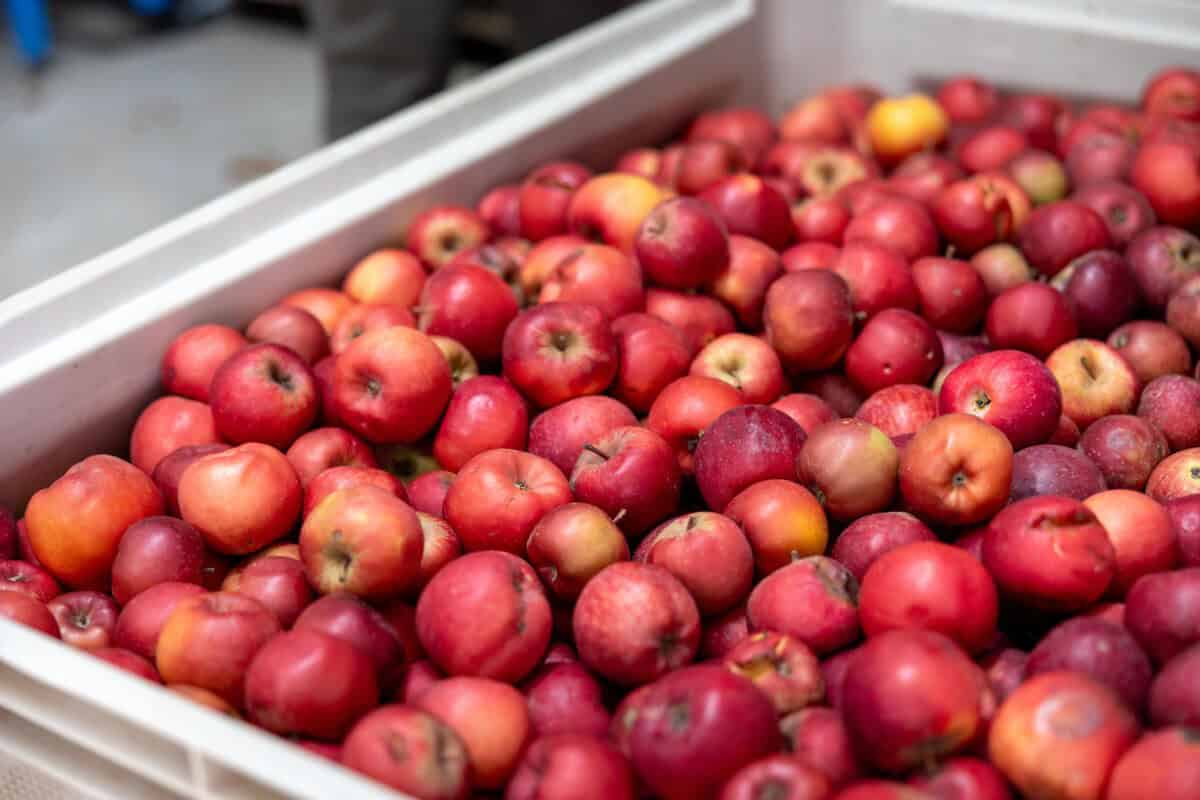
In turn, the owners are compensated for the fruit, which funds the maintenance of the property and, Brendan notes, “hopefully helping with the future preservation of these really cool heirloom varieties – back to the 1860s in some cases.”
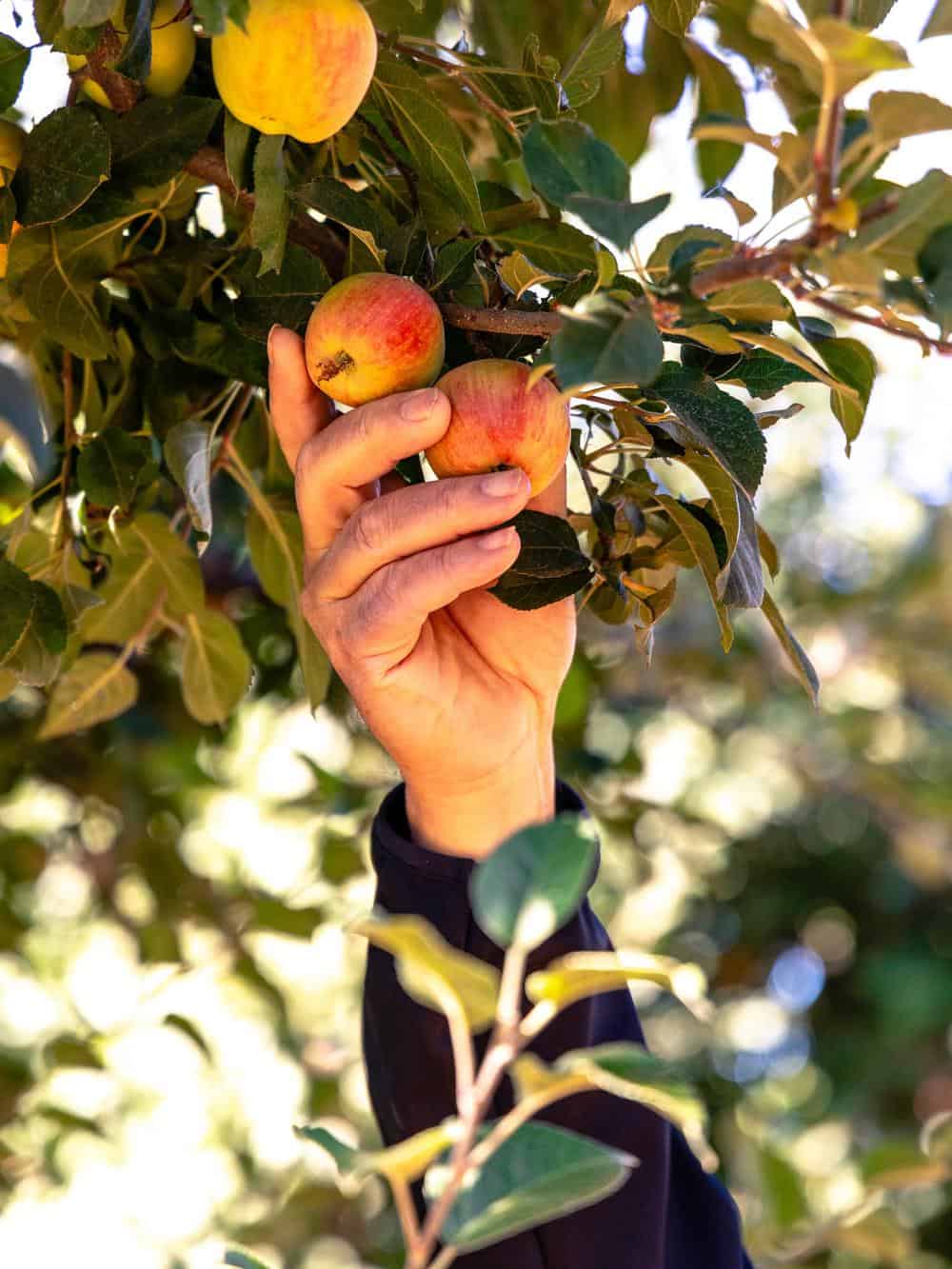
Interestingly, older apple trees can survive neglect better. Brendan notes, “These orchards were planted before the invention of dwarfing rootstock. They’re gonna be 20, sometimes even 40, feet tall.” Explaining that a tree’s height mirrors the depth of its roots, he adds, “When these orchards were abandoned, they were full-sized trees. They didn’t necessarily need irrigation and fertilization because they were growing down 30, 40, 50 feet, and they were able to tap into the native groundwater and grow in essentially a zero-input system.”
History of Apples in Gold Country
The Sierra Foothills boasts a long legacy of agricultural abundance. As the Gold Rush subsided, many of the folks who flocked to the region to strike it rich settled down in the area and embraced agriculture. He states, “Gold Country was California’s original apple belt, so we can get some of the oldest fruit in California.”
Trusting the terroir
Brendan believes that sourcing fruit from forgotten orchards gives his ciders a depth and variability that farmed fruit simply can’t replicate. As he explains, these properties are especially valuable because the trees are not subject to alteration or management—many produce fully wild fruit. Over time, the original trees have crossbred, and occasionally a seed takes root, resulting in an entirely new, wild variety that can yield unexpectedly complex and exciting flavors.
Because dry-farming is used on the fruit and growing takes place without any inputs, the apples express themselves differently from year to year. “If it’s a hot year, there’s probably going to be less fruit and more sugar,” Brendan says. “If it’s a wet or cool year, that changes things.” Those shifts show up as vintage variation in the finished cider—a quality Brendan embraces. “That difference from year to year,” he adds, “is reflected in the cider, and I just think that’s fun.”
A peek inside the cider-making process
Brendan’s cider-making philosophy is simple: he wants each bottle to be a reflection of the fruit and its terroir. He elaborates, “Our cider falls under the heading of what a lot of people would consider low intervention. We use no added sulfites, we don’t back-sweeten anything. We don’t pasteurize, sterilize, fine or filter. And the goal with that for me is really aesthetic. I want to make ciders that reflect the varieties that they’re made with and the places that they’re from, just like winemakers want to make wines that reflect the terroir and the year that the fruit experienced.”
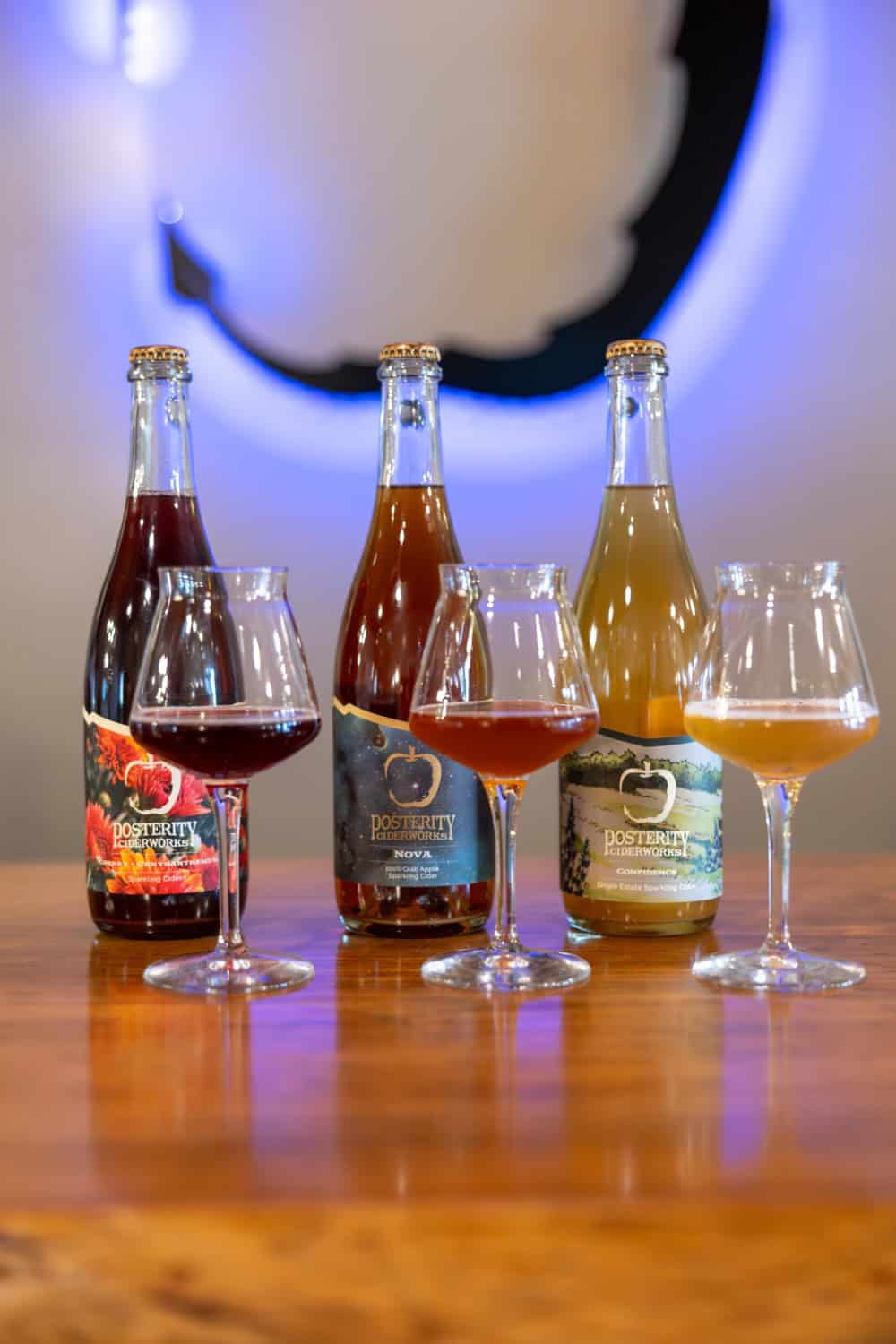
Posterity Ciderworks produces a wide range of ciders, including single orchard blends and co-ferments. Brendan enthusiastically states, “We can create so many different varieties by going from orchard to bottle, single orchard, single varietal. We can create a huge variety of flavor without ever getting involved in artificial flavors and tinkering with it. The fun thing about us is that I rotate the menu almost monthly. We do everything small batch – even single barrel. So, we usually have one or two new ones a month.” The tasting room offerings rotate with the seasons. He adds, “Seasonally, I’ll bring out three or four at a time as the vibe shifts, and we want something different. There’s always something new to see.”
Experience Posterity Ciderworks
Visit the tasting room
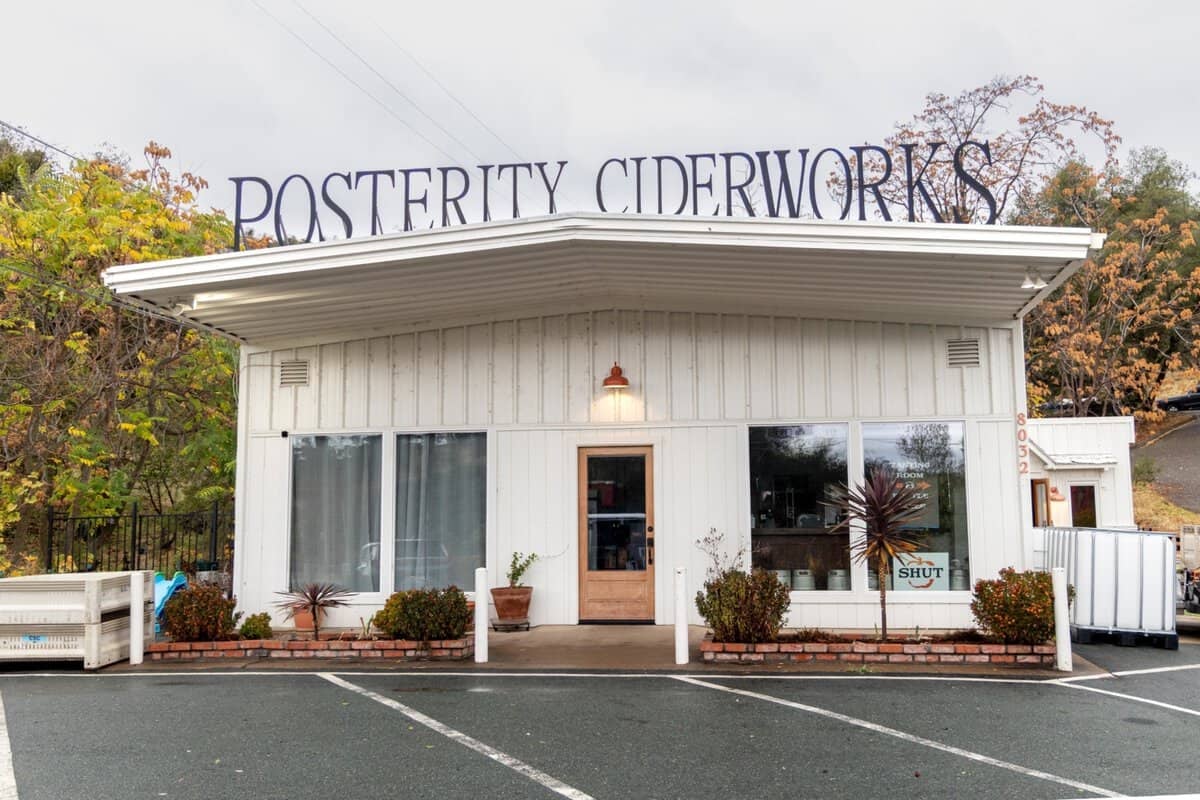
Posterity Ciderworks boasts a tasting room in Mokelumne Hill, California, with an additional tasting room in nearby Arnold. The tasting room is open Friday through Sunday and Mondays during most holiday weekends.
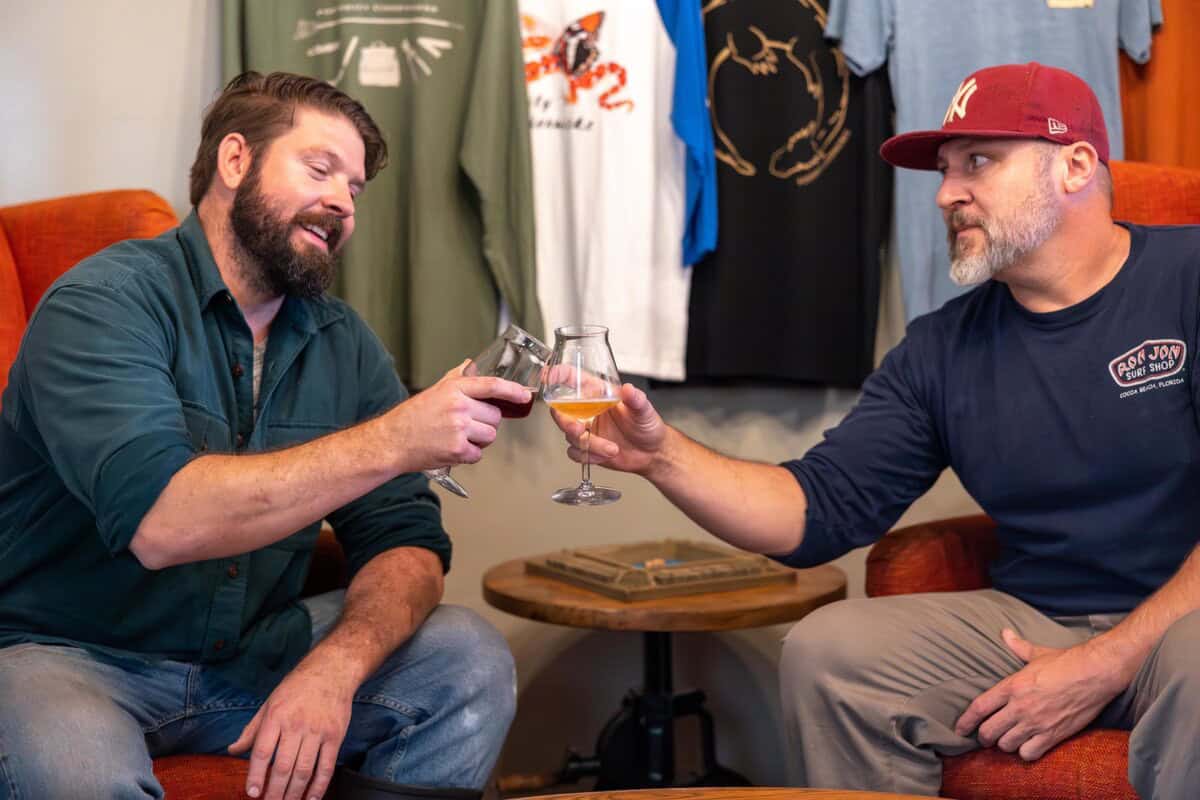
Bernard offers guided tastings and tours, and guests can purchase cider by the glass or bottle. He expands, “If you opt for a guided flight, we talk through the properties of each cider. Where it came from, the varieties that went in, the kind of year that the property had. It’s very similar to a wine tasting. Then we also have by the glass or by the bottle. If you want to hang out with some friends and some food, that’s also fine with us.”
Look for Posterity Ciderworks at fine dining establishments
Posterity Ciderworks’ natural ciders have been showcased in James Beard and Michelin-rated restaurants throughout California, including Localis, Saison, and even three star-rated Atelier Crenn.
Join the cider club
If you’re a fan of Posterity Ciderworks, Brendan encourages you to join the Cider Club. Members receive curated spring, fall and holiday cider shipments along with a 10% discount on all purchases. Locals should consider the Charter Membership, which includes a bottle of their award-winning cider, six complimentary tasting flights per year, a 15% discount on all purchases, and a variety of other perks.
Visit Posterity Ciderworks
Mokelumne Hill
8032 Main Street, Mokelumne Hill, CA 95245
(209) 419-8031 (same phone number for both locations)
Arnold
1771 Highway 4, Unit F, Arnold, CA 95223
Article and photography by Hilary Rance. Video by Meza Studios with drone footage courtesy of Alex Houlton.